A Day in the Life of a Park Volunteer
Introduction
Volunteering in a park is a rewarding experience that allows individuals to connect with nature, serve their community, and make a lasting impact on the environment. This blog post will take you through a typical day in the life of a park volunteer, highlighting the diverse tasks, challenges, and joys that come with this important role.
Early Morning: Preparation and Briefing
The day begins early for park volunteers, often before the sun rises. As the first light of dawn breaks through the trees, dedicated individuals gather at the park's visitor center or maintenance building. Here, they receive their assignments for the day and any important updates about the park's conditions or ongoing projects.
After a brief orientation, volunteers collect the necessary tools and equipment for their tasks. This might include gloves, trash bags, pruning shears, or educational materials, depending on the day's activities. Safety is always a top priority, so proper protective gear is distributed and safety protocols are reviewed.

Morning: Trail Maintenance and Habitat Restoration
With the sun now climbing higher in the sky, volunteers set out to tackle one of the most crucial aspects of park upkeep: trail maintenance. This involves clearing debris, repairing erosion damage, and ensuring that paths are safe and accessible for visitors. Volunteers might find themselves wielding rakes, shovels, and wheelbarrows as they work to improve the trail system.
Habitat restoration is another key morning activity. Invasive plant species can threaten the delicate balance of park ecosystems, so volunteers often spend time identifying and removing these unwanted plants. This work requires careful attention to detail and a good understanding of local flora. As they remove invasive species, volunteers may also plant native vegetation to help restore the natural habitat.

Late Morning: Wildlife Monitoring and Data Collection
As the morning progresses, some volunteers may shift their focus to wildlife monitoring. This critical task helps park managers track the health and population of various species within the park. Volunteers might conduct bird counts, monitor nesting sites, or record signs of mammal activity.
Data collection is an essential part of this process. Volunteers carefully document their observations, noting species, numbers, behaviors, and locations. This information is later used by scientists and park managers to make informed decisions about conservation efforts and resource management.

Midday: Visitor Center Support and Educational Programs
Around midday, many volunteers find themselves at the park's visitor center, where they play a crucial role in enhancing the guest experience. Tasks here might include staffing the information desk, answering questions about park features and regulations, and helping visitors plan their activities.
Educational programs are often a highlight of a volunteer's day. These might include guided nature walks, hands-on demonstrations of local crafts or skills, or interactive presentations about the park's history and ecology. Volunteers who lead these programs must be knowledgeable, engaging, and able to adapt their presentations to diverse audiences.

Early Afternoon: Litter Pickup and Facility Maintenance
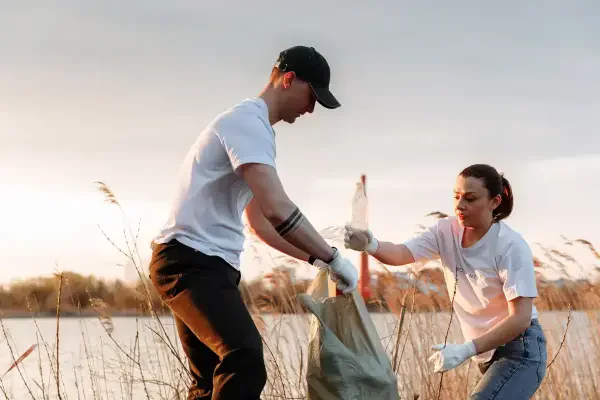
After lunch, volunteers often tackle the never-ending task of litter pickup. Armed with grabbers and trash bags, they patrol picnic areas, parking lots, and popular trails, removing any debris left behind by less conscientious visitors. This work is essential for maintaining the park's beauty and protecting wildlife from the dangers of discarded waste.
Facility maintenance is another important afternoon activity. Volunteers might assist with painting benches, repairing fences, or cleaning restroom facilities. These tasks, while sometimes less glamorous, are vital for ensuring that the park remains safe, functional, and welcoming for all visitors.

Mid-Afternoon: Campground Preparation and Visitor Assistance
As the day progresses, attention often turns to the park's campgrounds. Volunteers help prepare sites for incoming campers by cleaning fire pits, restocking firewood, and ensuring that each area is tidy and welcoming. They may also assist with check-ins, providing campers with information about park rules, local attractions, and safety guidelines.
Throughout the afternoon, volunteers remain available to assist visitors with any needs or questions. This might involve giving directions, offering recommendations for hiking trails, or providing first aid for minor injuries. The ability to interact positively with the public is a key skill for park volunteers, as they often serve as the face of the park for many guests.

Late Afternoon: Interpretive Hikes and Junior Ranger Programs
As the day begins to cool, many parks offer interpretive hikes led by knowledgeable volunteers. These walks provide visitors with in-depth information about the park's natural and cultural history. Volunteers might point out interesting plant species, explain geological features, or share stories about the area's past inhabitants.
Junior Ranger programs are often a highlight of the late afternoon. Volunteers work with children to complete educational activities, teaching them about nature, conservation, and the importance of protecting our parks. These programs help foster a new generation of environmental stewards and often create lasting memories for young visitors.

Evening: Sunset Programs and Campfire Talks
As the sun begins to set, many parks offer special evening programs. Volunteers might lead sunset hikes to scenic viewpoints, helping visitors appreciate the changing colors of the sky and the transition from day to night in the park. These moments often provide opportunities for reflection on the beauty and importance of natural spaces.
Campfire talks are a beloved tradition in many parks, and volunteers often play a key role in these evening gatherings. Seated around a crackling fire, they might share stories about the park's history, lead singalongs, or give presentations on topics like stargazing or nocturnal wildlife. These programs help create a sense of community among park visitors and deepen their connection to the natural world.

Night: Astronomy Programs and Nocturnal Wildlife Observation
For some dedicated volunteers, the workday extends into the night. Many parks offer astronomy programs, taking advantage of dark skies to introduce visitors to the wonders of the night sky. Volunteers might set up telescopes, point out constellations, and share information about celestial objects visible from the park.
Nocturnal wildlife observation is another exciting nighttime activity. Using special equipment like night vision goggles or infrared cameras, volunteers might lead small groups to observe and learn about the park's nocturnal inhabitants. These programs offer a unique perspective on park ecosystems and the importance of protecting natural habitats.

End of Day: Reflection and Preparation
As the day draws to a close, volunteers gather to debrief and reflect on their experiences. They might share interesting encounters, discuss challenges faced, or celebrate achievements. This time for reflection is valuable for building camaraderie among volunteers and identifying areas for improvement in park operations.
Before heading home, volunteers assist with final cleanup tasks and prepare for the next day. This might involve organizing tools, updating logs or reports, and ensuring that all facilities are secure. Even as they prepare to leave, many volunteers find themselves already looking forward to their next opportunity to serve in the park.

The Lasting Impact of Park Volunteers
The work of park volunteers extends far beyond a single day. Their efforts have a lasting impact on both the park and its visitors. By maintaining trails, restoring habitats, and educating the public, volunteers play a crucial role in preserving these natural spaces for future generations.
Moreover, the experience of volunteering in a park can be transformative for the individuals involved. Many volunteers develop a deeper appreciation for nature, gain new skills, and form lasting friendships with like-minded individuals. The sense of purpose and connection that comes from serving as a park volunteer often leads to a lifelong commitment to conservation and community service.

How to Become a Park Volunteer
For those inspired to become park volunteers themselves, the process is often straightforward. Most parks have volunteer coordinators who can provide information about available opportunities and requirements. These might include attending training sessions, committing to a certain number of hours, or having specific skills or knowledge.
Volunteer positions are available for people with a wide range of interests and abilities. Whether you're passionate about wildlife, enjoy working with children, have a knack for trail maintenance, or simply want to give back to your community, there's likely a volunteer role that's perfect for you.

The Rewards of Park Volunteering
While the work of a park volunteer can be challenging, the rewards are numerous. Volunteers often cite the satisfaction of making a tangible difference in their community, the joy of spending time in nature, and the opportunity to learn new skills as key benefits of their service.
Additionally, many parks offer perks to their volunteers, such as free park passes, invitations to special events, or opportunities for advanced training. However, for most volunteers, the greatest reward is the knowledge that they are playing a vital role in preserving and protecting our natural heritage for current and future generations.

The Future of Park Volunteering
As our parks face increasing challenges from climate change, budget constraints, and growing visitor numbers, the role of volunteers becomes ever more crucial. Many parks are expanding their volunteer programs, offering new opportunities for engagement and exploring innovative ways to harness the skills and passion of their volunteers.
Technology is playing an increasing role in park volunteering, with many parks now offering virtual volunteer opportunities. These might include monitoring wildlife cameras, transcribing historical documents, or assisting with social media outreach. These virtual roles allow people to contribute to park conservation efforts from anywhere in the world.

Related Articles





Volunteers
 Remote
  North Inner City Dublin