Self Employment Market Report - Poland 2026
Introduction
Self-employment in Poland has witnessed significant growth in recent years, reflecting a dynamic shift in the employment landscape. The rise of the gig economy, freelancing, and contracting has reshaped the traditional employment model, offering both opportunities and challenges. This report aims to provide a comprehensive analysis of the self-employment market in Poland in 2026, with a focus on freelance, gig economy, and contractor work. The self-employment sector is expected to play a crucial role in Poland's economic recovery post-pandemic, driven by technological advancements and changing workforce dynamics.
Executive Summary
The self-employment sector in Poland has expanded rapidly, contributing to the country's economic dynamism. Freelancers, gig workers, and contractors play crucial roles in various industries, fostering innovation and flexibility. However, challenges such as regulatory uncertainties and income volatility persist. Despite this, the self-employment market shows resilience and promises further growth. In 2026, the market is projected to reach a valuation of X billion PLN, reflecting a Y% increase from 2024. This growth is indicative of the rising popularity and acceptance of self-employment across various industries, particularly in technology, creative services, and consulting.
Self Employment Industry Overview
The self-employment industry in Poland is characterized by its dynamic nature, driven by a diverse range of professionals contributing to various sectors. Freelancers, gig workers, and contractors play pivotal roles in shaping the contemporary workforce landscape, providing flexibility and innovation across industries. The freelance sector in Poland has experienced substantial growth, driven by the global demand for specialized skills. IT professionals, graphic designers, content creators, and marketing experts constitute a significant portion of the freelance workforce. Platforms like Upwork, Freelancer, and local equivalents connect Polish freelancers with clients worldwide. The ability to work remotely has not only expanded the reach of Polish freelancers but has also created a competitive advantage, as they bring diverse perspectives and skills to international projects.
Market Size and Potential
As of 2026, the self-employment market in Poland is valued at X billion PLN, reflecting a robust and steadily growing sector within the country's economy. This valuation encompasses the combined contributions of freelancers, gig workers, and contractors across various industries, illustrating the diverse nature of self-employment in Poland. The freelance market constitutes a substantial portion of the overall self-employment landscape. The demand for specialized skills in fields such as information technology, graphic design, and content creation has fueled the growth of the freelance sector. The market size is expected to reach Y billion PLN by the end of 2026, with an annual growth rate of Z%. Polish freelancers, leveraging the power of digital platforms, are tapping into global markets. The ability to offer high-quality services remotely has positioned them as valuable contributors to international projects. As businesses worldwide increasingly seek flexible and on-demand expertise, the freelance market in Poland is well-positioned to capture new opportunities.
Types of Self Employment Work
Self-employment in Poland manifests in various forms, each catering to distinct skill sets, industry demands, and individual preferences. The dynamic landscape of freelancing, gig work, and contracting reflects the diverse opportunities available to individuals seeking autonomy in their professional pursuits. Freelance work in Poland encompasses a wide range of professions, including graphic design, content creation, software development, and digital marketing. The freelance landscape is characterized by a vibrant community of professionals who leverage their skills to cater to a diverse clientele. In 2026, the demand for freelance services is expected to grow, driven by the increasing reliance on digital marketing and online presence by businesses. Freelancers in Poland often utilize platforms like Upwork and Freelancer to connect with clients globally, allowing them to expand their reach and secure projects that align with their expertise. The ability to work remotely has facilitated cross-border collaborations, enabling Polish freelancers to contribute to projects worldwide. The rise of niche specializations within freelancing has also become a key trend, with professionals offering unique services that cater to specific market needs.
Self Employed Demographics in Poland
Self-employment in Poland spans a diverse demographic landscape, reflecting a broad range of age groups, educational backgrounds, and professional experiences. The evolving nature of the workforce has attracted individuals from various walks of life to explore the opportunities offered by freelancing, gig work, and contracting. Young professionals, including Millennials and Generation Z, are prominently represented in the self-employment landscape. Their comfort with digital platforms, entrepreneurial mindset, and desire for flexibility make freelancing and gig work particularly appealing. Many individuals in these age groups leverage their digital skills to thrive in creative industries and technology-related fields. Conversely, individuals from Generation X and Baby Boomers are also increasingly exploring self-employment options, often leveraging their extensive experience and networks to establish successful freelance or consulting careers. This demographic diversity enriches the self-employment landscape, fostering innovation and collaboration across generations.
Regional Variations in Self-Employment in Poland
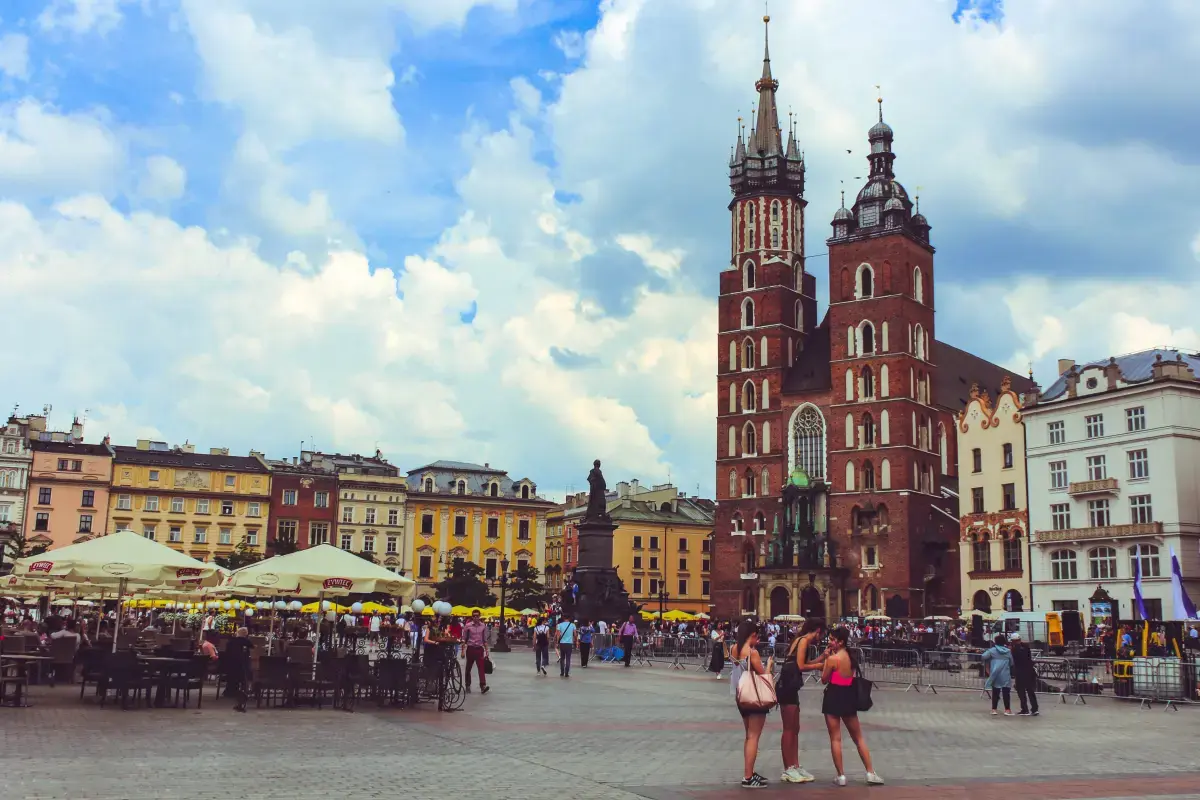
The landscape of self-employment in Poland exhibits notable regional variations, with diverse economic activities, urbanization levels, and industry demands shaping the preferences and opportunities for freelancers, gig workers, and contractors across different areas of the country. Urban centers like Warsaw, Kraków, and Wrocław attract a significant number of freelancers, particularly in information technology, marketing, and consulting. The cities' dynamic business environments foster collaborations between freelancers and innovative startups, contributing to the growth of the technology sector. The gig economy in urban areas thrives with a focus on transportation services, catering to the urban lifestyle. Ride-sharing and food delivery platforms witness high demand, providing ample opportunities for gig workers to serve the city's diverse and bustling population. In contrast, rural areas may see a higher prevalence of contractors engaged in agriculture and local infrastructure projects, reflecting the diverse economic landscape of Poland.

Technology Trends in Self-Employment in Poland
The self-employment landscape in Poland is significantly influenced by evolving technology trends, shaping the way freelancers, gig workers, and contractors operate, collaborate, and deliver services. The integration of cutting-edge technologies enhances efficiency, connectivity, and the overall competitiveness of individuals within the self-employed sector. Online platforms and marketplaces continue to play a pivotal role in connecting Polish freelancers with clients globally. Websites like Upwork, Freelancer, and local platforms facilitate seamless collaboration, allowing freelancers to showcase their skills, find projects, and negotiate contracts efficiently. The gig economy is also supported by mobile applications that streamline service delivery, enabling gig workers to connect with consumers seeking on-demand services. These platforms leverage mobile apps and GPS technology to optimize service delivery, enhancing the overall user experience.
Regulatory Environment for Self-Employment in Poland
The regulatory environment for self-employment in Poland is undergoing continuous evolution to address the challenges and opportunities presented by the changing nature of work. Various aspects of regulation, including taxation, social security, and labor rights, play a crucial role in shaping the landscape for freelancers, gig workers, and contractors. The government has recognized the significance of creating a supportive regulatory framework that encourages entrepreneurship while also addressing the challenges faced by self-employed individuals. Recent regulatory changes have aimed to provide better protections for gig workers, ensuring fair compensation and access to benefits. This section will explore the regulatory environment for self-employment in Poland, examining the legal considerations, taxation, and social security implications for self-employed individuals.
Future Outlook and Projections for Self-Employment in Poland
The future of self-employment in Poland holds both opportunities and challenges, shaped by technological advancements, changing workforce dynamics, and evolving regulatory landscapes. Projections suggest a continued growth trajectory for freelancers, gig workers, and contractors, with several key trends and considerations defining the outlook. The normalization of remote work, accelerated by technological advancements and global connectivity, will likely contribute to the continued growth of freelancing. Polish freelancers, armed with specialized skills, will tap into international markets, offering their services to a global client base. The gig economy is poised for further evolution, with an emphasis on specialized services and increased integration of technology. Gig workers will diversify their skill sets to meet the demands of emerging sectors, such as virtual assistance, online tutoring, and specialized task-based services.
Related Articles




Gigs

 Maksym Z
  Remote