Self Employment Market Report in Latvia (2026)
Introduction
The self-employment landscape in Latvia has undergone significant transformations in recent years, reflecting global trends towards flexible work arrangements and a digital economy. As of 2026, the self-employment sector is thriving, driven by technological advancements, changing workforce preferences, and a supportive regulatory environment. This report explores the state of self-employment in Latvia in 2026, examining its various facets, from the gig economy to freelancing and contracting.
Executive Summary
In 2026, Latvia's self-employment sector is flourishing, with a notable shift towards gig economy platforms, freelance opportunities, and contracting work. The flexibility and autonomy offered by self-employment are appealing to a diverse range of individuals, contributing to the country's economic dynamism. This report delves into the various facets of self-employment, examining market size, demographics, regional variations, technology trends, regulatory environment, and future projections.
Self Employment Industry Overview
The self-employment landscape in Latvia has evolved significantly, embracing a variety of work arrangements that provide individuals with greater autonomy and flexibility. This section delves deeper into the specifics of each facet of self-employment – freelance, gig economy, and contracting – highlighting their unique characteristics and contributions to Latvia's economic landscape.
Freelance:
Latvia's freelance ecosystem has experienced a notable surge in recent years, driven by a highly skilled and tech-savvy workforce. Professionals in IT, design, content creation, and marketing have found lucrative opportunities on international freelancing platforms. Websites such as Upwork, Freelancer, and Fiverr have become virtual marketplaces connecting Latvian freelancers with a global clientele. Noteworthy success stories include Latvian software developers collaborating with European startups to create innovative applications. Graphic designers and content creators have also carved a niche, attracting clients seeking creative expertise. The collaborative nature of freelancing has not only expanded the market for freelancers but has also fostered a culture of innovation and cross-border collaboration.

Market Size and Potential
As of 2026, the self-employment market in Latvia has reached a significant valuation, underscoring its vital role in the nation's economic landscape. The market size is a testament to the increasing number of individuals opting for non-traditional work arrangements and the adaptability of the Latvian workforce. The potential for further growth is substantial, driven by various factors that contribute to the resilience and versatility of the self-employment sector.

Types of Self Employment Work
The self-employment landscape in Latvia is characterized by a rich tapestry of opportunities, ranging from traditional freelance roles to dynamic gig economy positions and project-specific contracting. Each type of self-employment work attracts individuals seeking different levels of autonomy, flexibility, and specialization. Freelancing in Latvia has evolved into a vibrant sector, driven by a surge in demand for specialized skills across various industries. Freelancers are independent professionals who offer their expertise on a project or task basis. This segment encompasses a broad range of occupations, with a significant presence in fields such as graphic design, programming, content creation, and marketing. Freelancers in Latvia often showcase their talents on international freelancing platforms, collaborating with clients from different countries. The rise of digital content consumption has created a growing demand for visually appealing and innovative designs across various industries. The gig economy in Latvia has witnessed a surge in popularity, particularly among the younger demographic. Service-oriented gig work, such as ride-sharing and food delivery, has become a viable source of income for individuals seeking flexibility and independence. This trend is not only evident in urban centers but has also permeated smaller towns and rural areas, creating a decentralized network of gig workers. Local platforms have emerged to connect gig workers with various tasks, ranging from household services to event support. The gig economy's appeal lies in its accessibility, allowing individuals to monetize their skills and time without committing to traditional full-time employment. Contracting remains a prevalent form of self-employment in Latvia, especially in industries requiring specialized skills and project-based collaboration. Contractors in sectors such as construction, engineering, and IT are increasingly sought after for their expertise. The flexibility to engage in diverse projects and the potential for higher earnings make contracting an attractive option for professionals seeking autonomy and variety in their work. Overall, the self-employment landscape in Latvia is rich and diverse, offering individuals a range of opportunities to pursue non-traditional work arrangements.
Self Employed Demographics
The self-employed demographic landscape in Latvia is characterized by a diverse mix of individuals spanning various age groups, professional backgrounds, and motivations for pursuing non-traditional work arrangements. Understanding the demographics of self-employed individuals provides valuable insights into the factors influencing the growth and dynamics of the self-employment sector in the country. Young professionals, including Millennials and Generation Z, are prominently represented in the self-employment landscape. Their comfort with digital platforms, entrepreneurial mindset, and desire for flexibility make freelancing and gig work particularly appealing. Many individuals in these age groups leverage their digital skills to thrive in creative industries and technology-related fields. Conversely, individuals from Generation X and Baby Boomers are also increasingly exploring self-employment options, often leveraging their extensive experience and networks to establish successful freelance or consulting careers. This demographic diversity enriches the self-employment landscape, fostering innovation and collaboration across generations. The self-employed workforce in Latvia is also marked by a growing number of women entering the sector. Initiatives promoting gender equality and support for female entrepreneurs have contributed to this trend, encouraging women to pursue self-employment in various fields. The increasing representation of women in self-employment is a positive development, reflecting a broader societal shift towards inclusivity and diversity in the workforce. Additionally, the educational background of self-employed individuals in Latvia varies widely. Many freelancers and contractors possess higher education degrees, particularly in fields such as IT, design, and business. This educational diversity contributes to the overall skill set available in the self-employment market, enhancing the competitiveness of Latvian professionals on both local and international stages. The self-employed demographic in Latvia is dynamic and evolving, reflecting the changing nature of work and the increasing acceptance of self-employment as a viable career path. As the self-employment sector continues to grow, understanding these demographics will be crucial for stakeholders aiming to support and enhance the self-employment ecosystem in Latvia.
Regional Variations in Self-Employment
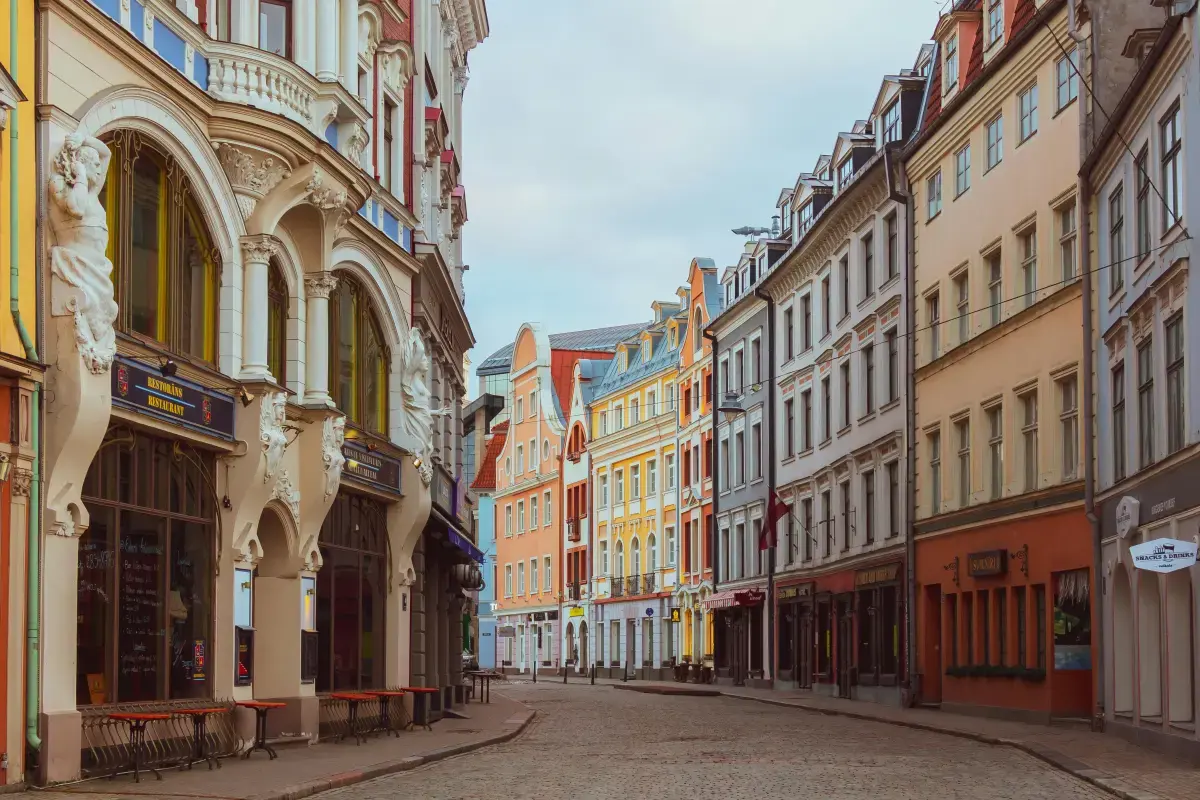
The self-employment landscape in Latvia exhibits notable regional variations, shaped by economic conditions, urbanization levels, and industry presence. Understanding these regional nuances provides insights into the diverse factors influencing the prevalence and nature of self-employment across different areas of the country. Urban centers like Riga, Daugavpils, and Liepāja attract a significant number of freelancers, particularly in information technology, marketing, and consulting. The cities' dynamic business environments and access to resources create fertile ground for self-employed individuals to thrive. In contrast, rural areas may see a higher prevalence of contractors engaged in agriculture and local infrastructure projects, reflecting the diverse economic landscape of Latvia. The regional variations in self-employment are also influenced by the availability of resources and support systems. Urban areas typically offer better access to co-working spaces, networking events, and professional development opportunities, which can enhance the success of self-employed individuals. Conversely, rural areas may face challenges related to limited access to clients and resources, making it essential for policymakers to address these disparities and promote self-employment opportunities across the country.
Technology Trends in Self-Employment in Latvia
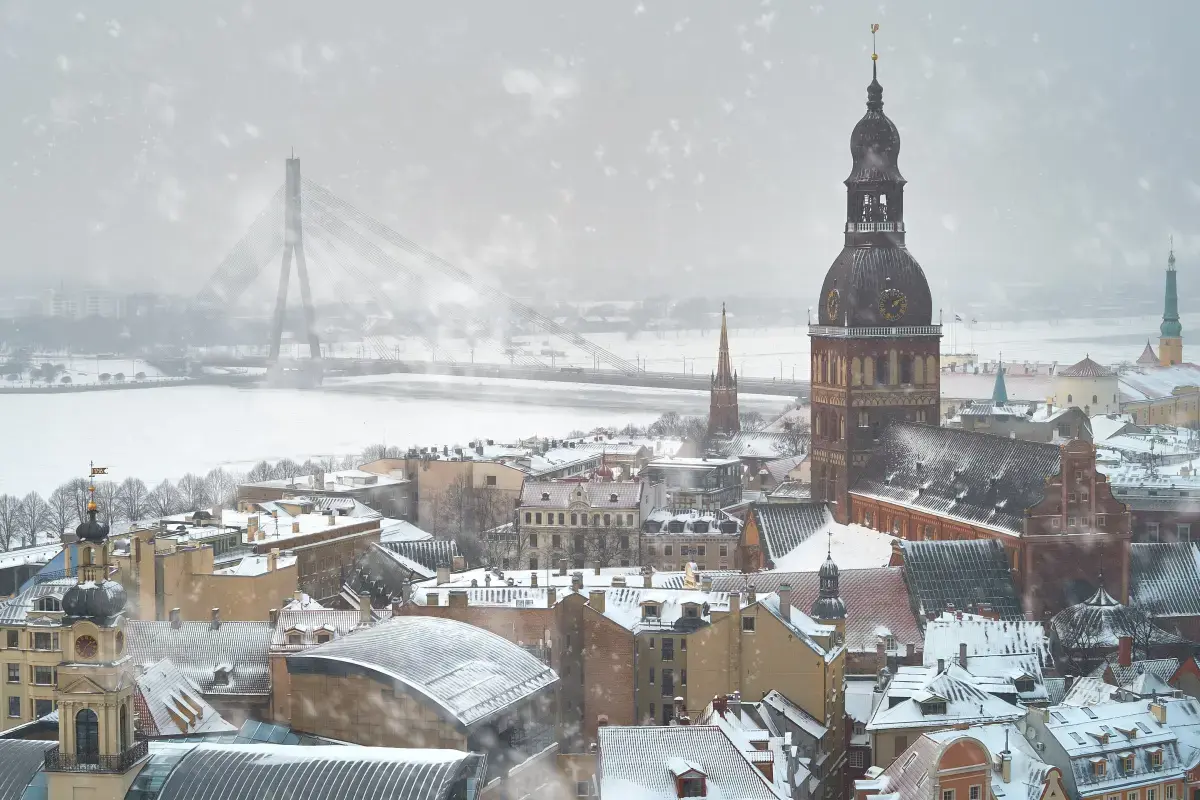
The self-employment landscape in Latvia is intricately linked with technological advancements, shaping the way freelancers, gig workers, and contractors operate in the market. As of 2026, several key technology trends are influencing and enhancing the self-employment ecosystem in Latvia. The proliferation of digital platforms and online marketplaces has redefined how self-employed individuals in Latvia connect with clients and customers. Platforms like Upwork, Freelancer, and local alternatives have become virtual marketplaces where freelancers showcase their skills, bid for projects, and collaborate with clients worldwide. The ease of access to these platforms has democratized opportunities, allowing Latvian freelancers to compete on a global scale. Similarly, gig workers leverage platforms like Bolt and Wolt to access a steady stream of opportunities in transportation and food delivery. These platforms act as intermediaries, connecting gig workers with consumers in a seamless and efficient manner. The rise of mobile applications and digital tools has transformed the way self-employed individuals manage their businesses. From project management software to invoicing tools, these technologies enable freelancers and gig workers to streamline their operations, improve productivity, and enhance client interactions. The ongoing digital transformation in Latvia is expected to continue shaping the self-employment landscape, providing individuals with the tools and resources needed to thrive in a competitive environment.
Regulatory Environment for Self-Employment in Latvia
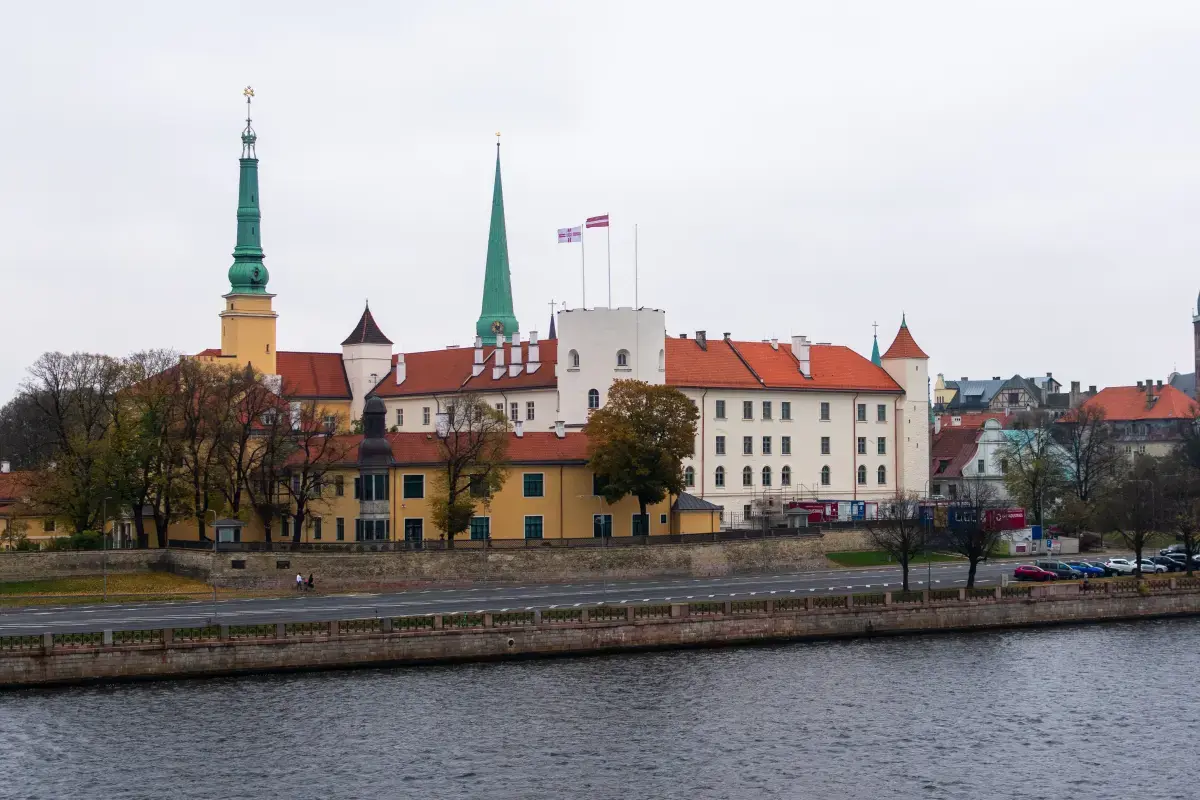
The regulatory environment plays a crucial role in shaping the dynamics of the self-employment sector in Latvia. As the gig economy, freelancing, and independent contracting have gained prominence, policymakers are tasked with balancing the needs of self-employed individuals with the imperative of ensuring fair labor practices and protections. The government has recognized the significance of creating a supportive regulatory framework that encourages entrepreneurship while also addressing the challenges faced by self-employed individuals. Recent regulatory changes have aimed to provide better protections for gig workers, ensuring fair compensation and access to benefits. This section will explore the regulatory environment for self-employment in Latvia, examining the legal considerations, taxation, and social security implications for self-employed individuals. The classification of freelancers as independent contractors or employees can impact tax obligations, social benefits, and legal rights. Clarity in determining the employment status of freelancers is essential to ensure compliance with labor laws and taxation regulations. The government has implemented measures to simplify the registration process for self-employed individuals, making it easier for them to establish their businesses. This includes streamlining the paperwork required for business registration and providing online resources to guide individuals through the process. Additionally, the taxation policies for self-employed individuals have been adjusted to promote fairness and sustainability. The introduction of tax incentives for startups and small businesses has encouraged entrepreneurship and innovation within the self-employment sector. Overall, the regulatory environment for self-employment in Latvia is evolving, with a focus on creating a balanced framework that supports the growth of the sector while ensuring the rights and protections of self-employed individuals.
Future Outlook and Projections for Self-Employment in Latvia
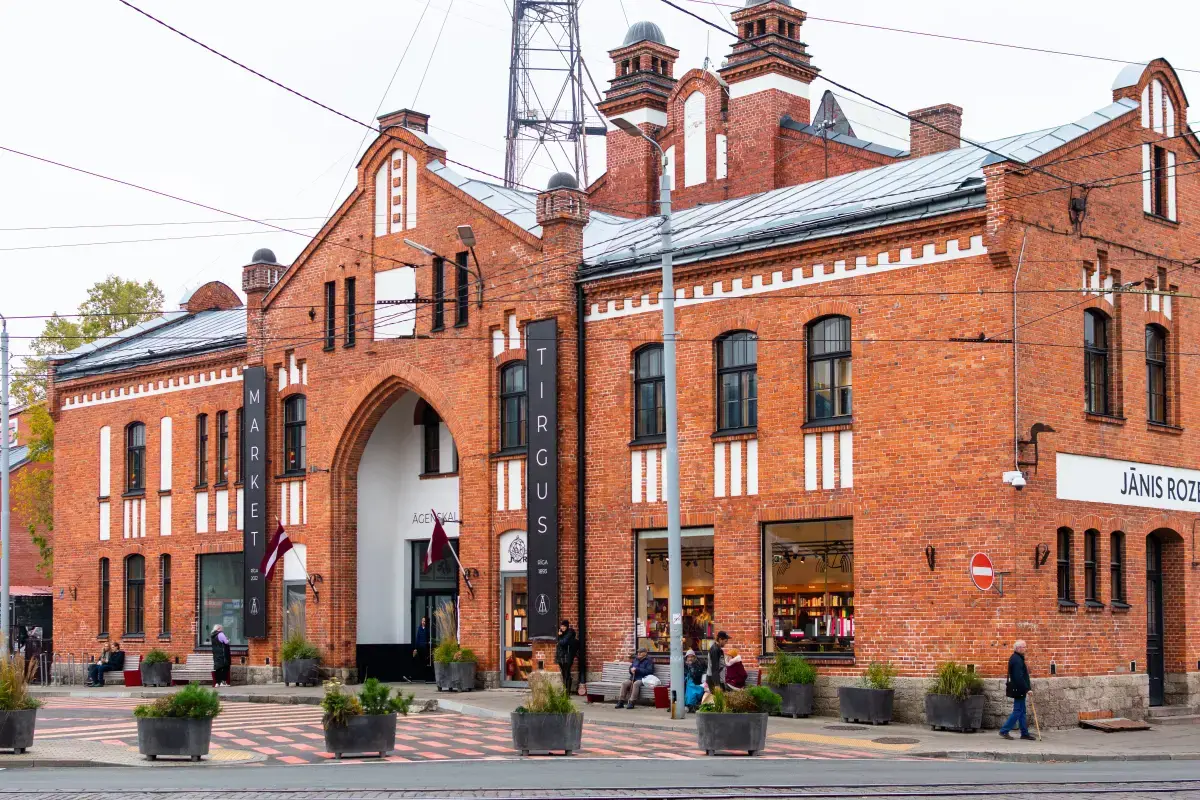
The future outlook for self-employment in Latvia is characterized by dynamic growth, driven by technological advancements, changing work preferences, and ongoing regulatory adaptations. In 2026, several key trends and projections shape the trajectory of the self-employment market in the region. The self-employment sector is expected to continue expanding, with increasing numbers of individuals opting for freelance, gig, and contracting work. This section will provide insights into the future outlook for self-employment in Latvia, discussing the trends and factors that are likely to influence the sector in the coming years. By understanding these projections, stakeholders can better prepare for the evolving landscape of self-employment and identify opportunities for growth and innovation.
Related Articles






Gigs

 Mahin S
  Remote