Self-Employment Market Report in Germany (2026)
Introduction:
In 2026, self-employment in Germany has become a cornerstone of the labor market, reflecting significant shifts in economic conditions, workforce preferences, and technological advancements. This report aims to provide a comprehensive analysis of the self-employment landscape, focusing on freelance work, gig economy participation, and contracting opportunities. The evolving nature of work, driven by digital transformation and changing societal attitudes, has led to a diverse and dynamic self-employed workforce.

Executive Summary:
The self-employment sector in Germany has witnessed remarkable growth in 2026, characterized by an increasing number of individuals opting for freelance, gig, and contracting roles. This growth is fueled by a combination of economic recovery post-pandemic, advancements in technology, and a cultural shift towards valuing flexibility and autonomy in work arrangements. The report highlights key trends, challenges, and opportunities within the self-employment market, providing insights for stakeholders and policymakers.
Self-Employment Industry Overview:
The self-employment industry in Germany is diverse, encompassing a wide range of professions and sectors. Freelancers, gig workers, and contractors contribute significantly to the economy, providing specialized services across various industries. This section explores the characteristics of each segment, the skills in demand, and the impact of technology on self-employment practices.
Market Size and Potential:
The self-employment market in Germany has expanded significantly in 2026, with estimates indicating that approximately 20% of the workforce is now self-employed. This section analyzes the market size, growth trends, and potential for further expansion, considering factors such as economic conditions, technological advancements, and changing workforce demographics.
Types of Self-Employment Work:
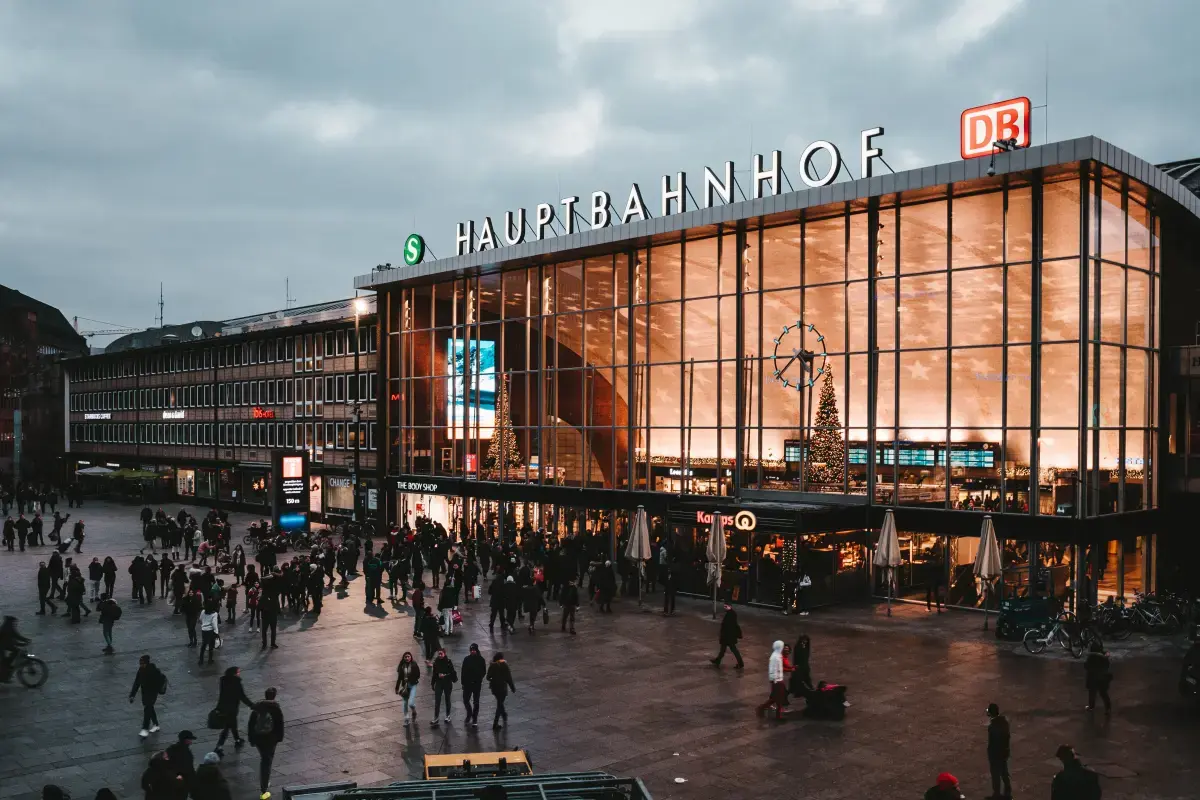
Self-employment in Germany encompasses various types of work arrangements, including freelancing, gig economy roles, and contracting. This section provides an in-depth exploration of each type, highlighting the unique characteristics, benefits, and challenges associated with them. It also discusses the skills and qualifications that are increasingly sought after in the self-employment market.
Self-Employed Demographics:
The demographics of self-employed individuals in Germany are diverse, reflecting a wide range of age groups, educational backgrounds, and professional experiences. This section examines the trends in self-employment demographics, including the motivations behind choosing self-employment, the challenges faced, and the support systems available for self-employed individuals.
Regional Variations in Self-Employment:
Self-employment in Germany exhibits significant regional variations, influenced by local economic conditions, industry concentrations, and cultural factors. This section analyzes the differences in self-employment rates and types across various regions, providing insights into how local contexts shape the self-employment landscape.
Technology Trends in Self-Employment:
Technology continues to play a pivotal role in shaping the self-employment landscape in Germany. This section explores the key technology trends influencing self-employment, including the rise of digital platforms, remote work tools, and the integration of advanced technologies such as artificial intelligence and blockchain in freelance and gig work.

Regulatory Environment for Self-Employment:
The regulatory framework governing self-employment in Germany is evolving to address the unique challenges faced by self-employed individuals. This section provides an overview of the current regulations, including taxation, social security contributions, and labor laws, and discusses the implications for self-employed professionals.

Future Outlook and Projections for Self-Employment in Germany:
The future of self-employment in Germany appears promising, with continued growth expected across all segments. This section discusses the key factors driving this growth, potential challenges, and the strategies that self-employed individuals can adopt to thrive in an increasingly competitive landscape.
Conclusion:
In conclusion, the self-employment market in Germany is a dynamic and integral component of the labor landscape. As the sector continues to evolve, understanding the trends, challenges, and opportunities will be crucial for stakeholders aiming to support and engage with the self-employed workforce effectively.
Related Articles






Gigs
 Justin K
  Remote