Self-Employment Market Report in Denmark 2026
Introduction:
In 2026, Denmark continues to be a leader in self-employment, reflecting a robust economy and progressive social policies. The self-employment landscape has evolved significantly, driven by technological advancements, changing workforce preferences, and a cultural shift towards entrepreneurship. This report explores the dynamics of the self-employment market in Denmark, focusing on freelance, gig economy, and contracting sectors. The rise of digital platforms and the increasing acceptance of flexible work arrangements have contributed to the growth of self-employment, making it a vital component of the Danish economy.

Executive Summary:
In 2026, Denmark's self-employment sector is thriving, showcasing resilience and adaptability. The freelance, gig economy, and contracting segments collectively shape a dynamic ecosystem, driven by a tech-savvy workforce and supportive government policies. The self-employment market has expanded significantly, with an increasing number of individuals opting for freelance, gig, and contracting work. This report outlines the market's growth, key trends, and potential challenges, offering insights for stakeholders navigating the evolving landscape of self-employment.
Self Employment Industry Overview:
The self-employment industry in Denmark is characterized by a multifaceted landscape shaped by the evolving nature of work and a cultural shift towards autonomy and flexibility. Comprising freelancers, gig workers, and contractors, this sector plays a pivotal role in the country's economic dynamics. In 2026, the self-employment sector is expected to encompass approximately 20% of the workforce, reflecting a growing trend towards independent work arrangements. The rise of digital platforms has facilitated this growth, enabling self-employed individuals to connect with clients and access a global market. Freelancers dominate the creative and digital sectors, offering services such as graphic design, content creation, and digital marketing. The demand for these services has surged as businesses increasingly turn to freelancers for specialized skills. Additionally, the gig economy has expanded beyond traditional sectors, with individuals engaging in on-demand services such as ride-sharing, food delivery, and home repairs. This diversification of self-employment opportunities has contributed to the overall growth of the sector, making it a vital component of Denmark's economy.
Market Size and Potential:
As of 2026, Denmark's self-employment sector has not only gained substantial ground but has become a significant force shaping the nation's labor landscape. The market size and potential of self-employment in Denmark reveal a robust and expanding ecosystem with promising prospects. The self-employment sector in Denmark represents a notable portion of the overall workforce, accounting for approximately 20% of the total labor force. This figure is indicative of a fundamental shift in how individuals perceive work, moving away from traditional employment models towards more flexible and autonomous arrangements. The diversity within the self-employed sector, encompassing freelancers, gig workers, and contractors, contributes to the resilience and adaptability of the overall market. The gig economy, in particular, stands out as a dominant force, constituting over 40% of the market. Platforms such as WorkHub and TaskConnect have facilitated the growth of gig work, providing avenues for individuals to engage in on-demand services. This growth is further supported by government initiatives aimed at fostering entrepreneurship and providing resources for self-employed individuals. The self-employment market in Denmark is projected to continue expanding, driven by technological advancements, changing work preferences, and ongoing regulatory adaptations. As more individuals seek autonomy and flexibility in their careers, the self-employment sector is expected to play an increasingly vital role in the Danish economy.
Types of Self Employment Work:
Denmark's self-employment landscape is characterized by a diverse array of work arrangements, reflecting the varied skills and preferences of its workforce. The self-employed sector is segmented into freelancers, gig workers, and contractors, each playing a distinct role in the country's dynamic labor market. Freelancers in Denmark are a dynamic force, often contributing to the creative and knowledge-intensive industries. Graphic designers, writers, marketing specialists, and consultants constitute a significant portion of the freelance workforce. Platforms such as FreelanceDK and CreativeHub provide a digital marketplace where businesses can connect with freelancers possessing specialized skills. Freelancers offer a unique value proposition by providing on-demand expertise, allowing businesses to access talent for specific projects without the commitment of a long-term employment relationship. This model fosters innovation and flexibility, particularly in industries where creativity and adaptability are paramount. The gig economy has established itself as a crucial component of the self-employment landscape, characterized by short-term, task-based engagements. Gig workers engage in various sectors, including transportation, food delivery, and home services. The rise of platforms like Uber, Bolt, and TaskRabbit has revolutionized the way individuals find work, providing them with the flexibility to choose when and how much they work. Contractors, on the other hand, play a vital role in project-based industries such as construction, IT, and engineering. They often possess specialized skills and are engaged in managing and executing various projects. The demand for contracting services has been particularly pronounced in the construction of infrastructure projects and the implementation of advanced IT systems. In summary, the self-employment landscape in Denmark is rich and diverse, encompassing a wide range of professions and sectors that contribute significantly to the economy.
Self Employed Demographics:
The self-employed workforce in Denmark is characterized by a diverse range of individuals, spanning various age groups, educational backgrounds, and professional experiences. Understanding the demographics of self-employed individuals provides insights into the motivations, challenges, and aspirations of this dynamic segment of the workforce. In 2026, younger professionals, particularly those in their 20s and 30s, are increasingly drawn to self-employment, seeking flexibility and the opportunity to pursue their passions. Conversely, experienced individuals in their 40s and 50s are also contributing significantly, often transitioning to self-employment to leverage their expertise. The self-employed demographic landscape is diverse, reflecting a mix of age groups, professional backgrounds, and motivations for embracing non-traditional work arrangements. This section will delve into the demographics of self-employed individuals in Denmark, exploring the factors influencing their choices and the implications for the broader economy. The increasing participation of women in self-employment is also noteworthy, as initiatives aimed at promoting female entrepreneurship gain traction. Programs providing mentorship, funding, and networking opportunities have empowered women to pursue self-employment, contributing to a more balanced representation in the sector. Additionally, the self-employed demographic in Denmark exhibits a broad spectrum of educational backgrounds. While creative professionals often hold degrees in arts and humanities, many freelancers and contractors come from technical and business-oriented fields. This diversity in education enhances the skill set available within the self-employed workforce, fostering innovation and adaptability.
Regional Variations in Self Employment:
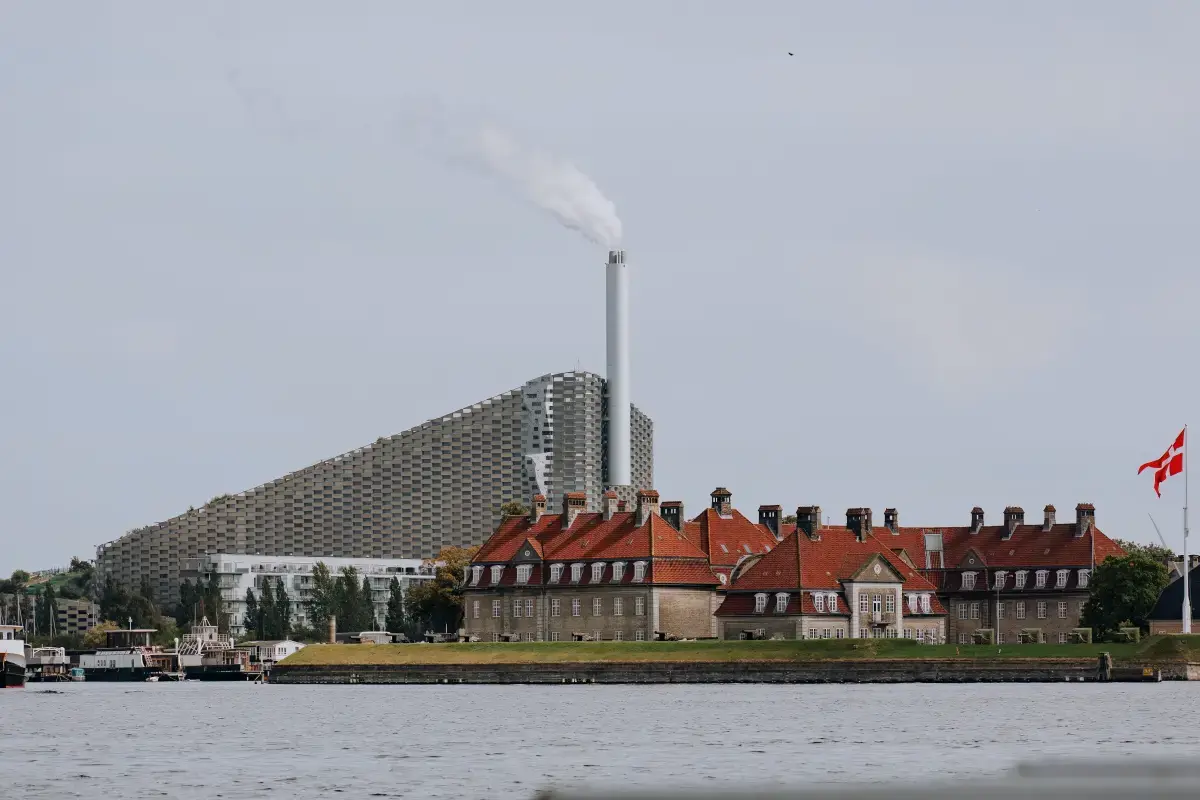
The self-employment landscape in Denmark exhibits distinctive regional variations, reflecting the diverse economic activities, cultural preferences, and infrastructure development across different areas of the country. These variations contribute to the dynamic and nuanced nature of self-employment, with certain regions demonstrating unique strengths and characteristics. Urban centers like Copenhagen are hubs for freelancers and gig workers, witnessing a concentration of creative professionals and tech-savvy individuals. The city's vibrant startup ecosystem and access to resources foster an environment conducive to self-employment. In contrast, rural areas may see a higher prevalence of contractors engaged in agriculture and local infrastructure projects. Understanding these regional variations is essential for stakeholders, including policymakers, businesses, and self-employed individuals. Tailoring support systems, infrastructure development plans, and business initiatives to the unique characteristics of each region will contribute to a more inclusive and resilient self-employment ecosystem across Denmark.
Technology Trends in Denmark's Self-Employment Sector:
Denmark's self-employment sector is deeply intertwined with technological advancements, shaping the way freelancers, gig workers, and contractors connect with opportunities and carry out their work. Several key technology trends are influencing and transforming the landscape of self-employment in Denmark. Digital platforms and online marketplaces have become the backbone of Denmark's self-employment ecosystem. Platforms like FreelanceDK, CreativeHub, WorkHub, and TaskConnect serve as digital marketplaces connecting businesses with freelancers and gig workers. These platforms not only facilitate seamless matchmaking based on skills and project requirements but also enhance transparency and efficiency in the hiring process. AI-powered algorithms play a crucial role in matching self-employed professionals with suitable projects. Platforms like TalentConnect and GigMatcher leverage AI to analyze skills, preferences, and project requirements, ensuring optimal matches. This trend not only saves time for both freelancers and clients but also increases the likelihood of successful collaborations. Furthermore, the rise of remote work tools has transformed how self-employed individuals manage their businesses. Tools for project management, communication, and collaboration have become essential for freelancers and gig workers, enabling them to work efficiently from anywhere. The integration of advanced technologies such as artificial intelligence and blockchain in freelance and gig work is also gaining traction, providing new opportunities for self-employed individuals to enhance their services and streamline operations.
Regulatory Environment for Self Employment:
The regulatory environment for self-employment in Denmark is a crucial aspect that influences the operations, rights, and protections of freelancers, gig workers, and contractors. As of 2026, efforts are underway to adapt regulations to the evolving nature of work, ensuring a balance between fostering innovation and safeguarding the well-being of self-employed individuals. The government has recognized the significance of creating a supportive regulatory framework that encourages entrepreneurship while also addressing the challenges faced by self-employed individuals. Recent regulatory changes have aimed to provide better protections for gig workers, ensuring fair compensation and access to benefits. This section will explore the regulatory environment for self-employment in Denmark, examining the legal considerations, taxation, and social security implications for self-employed individuals. Understanding the regulatory landscape is essential for both self-employed individuals and businesses engaging their services, as it shapes the overall environment in which self-employment operates.
Future Outlook and Projections for Self Employment:
The future outlook for self-employment in Denmark is characterized by dynamic growth, driven by technological advancements, changing work preferences, and ongoing regulatory adaptations. As of 2026, several key trends and projections shape the trajectory of the self-employment market in the country. The self-employment sector is expected to continue expanding, with increasing numbers of individuals opting for freelance, gig, and contracting work. This section will provide insights into the future outlook for self-employment in Denmark, discussing the trends and factors that are likely to influence the sector in the coming years. By understanding these projections, stakeholders can better prepare for the evolving landscape of self-employment and identify opportunities for growth and innovation.
Conclusion:
As Denmark embraces the era of self-employment, the landscape continues to evolve. Freelancers, gig workers, and contractors are not just responding to market demands but shaping them. With the right regulatory frameworks and technological advancements, the self-employment sector is poised for sustained growth, contributing significantly to the dynamic and resilient Danish economy in the years to come.
Related Articles





Gigs
 Julia Z
  Remote