Romania 2026 Job Market Report
Executive Summary:
The Romanian job market in 2026 reflects a dynamic and evolving landscape, characterized by significant economic growth and technological advancements. The nation has successfully navigated global economic challenges, resulting in a robust GDP growth of 4.1%. Key findings include a surge in technology-driven job opportunities, a youthful and diverse labor force, and notable regional variations in employment patterns. Despite these positive trends, challenges such as skill mismatches and aligning education with industry needs remain crucial for sustained economic development. The report concludes with strategic recommendations for policymakers, educators, and businesses to foster a resilient and inclusive job market.
Introduction:
This report delves into the intricacies of the Romanian job market in 2026, offering a comprehensive analysis of economic conditions, employment trends, and demographic factors. The study aims to provide stakeholders with valuable insights into the current state of the job market and inform strategic decision-making. As Romania continues to integrate into the global economy, understanding these dynamics is crucial for sustaining economic growth and competitiveness. The report covers various sectors, highlighting the impact of technological innovation, demographic shifts, and global economic influences on the job market.
Economic Overview:
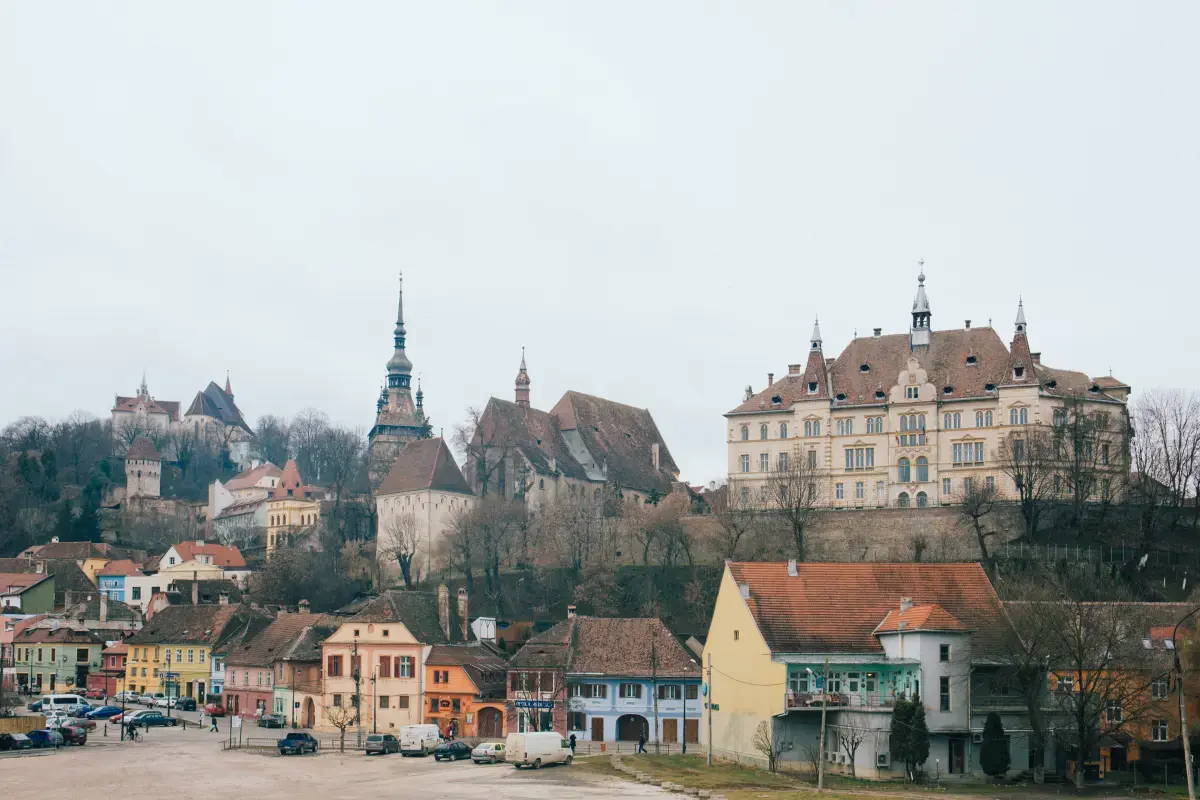
In 2026, Romania's economic landscape showcases resilience and strategic growth, anchored by a GDP growth of 4.1%. The nation has successfully weathered external challenges, with a focus on economic diversification and innovation driving sustainable development. This growth is underpinned by a robust industrial sector, which has not only weathered global economic fluctuations but also embraced technological advancements to enhance competitiveness. The industrial sector, comprising manufacturing, construction, and mining, remains a cornerstone of the Romanian economy. A surge in export-oriented industries, including automotive and machinery manufacturing, has propelled the nation's economic output. Moreover, investments in renewable energy projects have not only contributed to environmental sustainability but have also emerged as a key driver of economic growth. Inflation is moderate at 2.3%, reflecting prudent economic policies. The government's commitment to fiscal discipline has played a pivotal role in maintaining price stability. This inflation rate indicates a delicate balance between stimulating economic growth and maintaining consumer purchasing power. The economic overview of Romania in 2026 paints a picture of a resilient and dynamic nation, well-positioned for continued growth and prosperity.
Labor Force and Population:
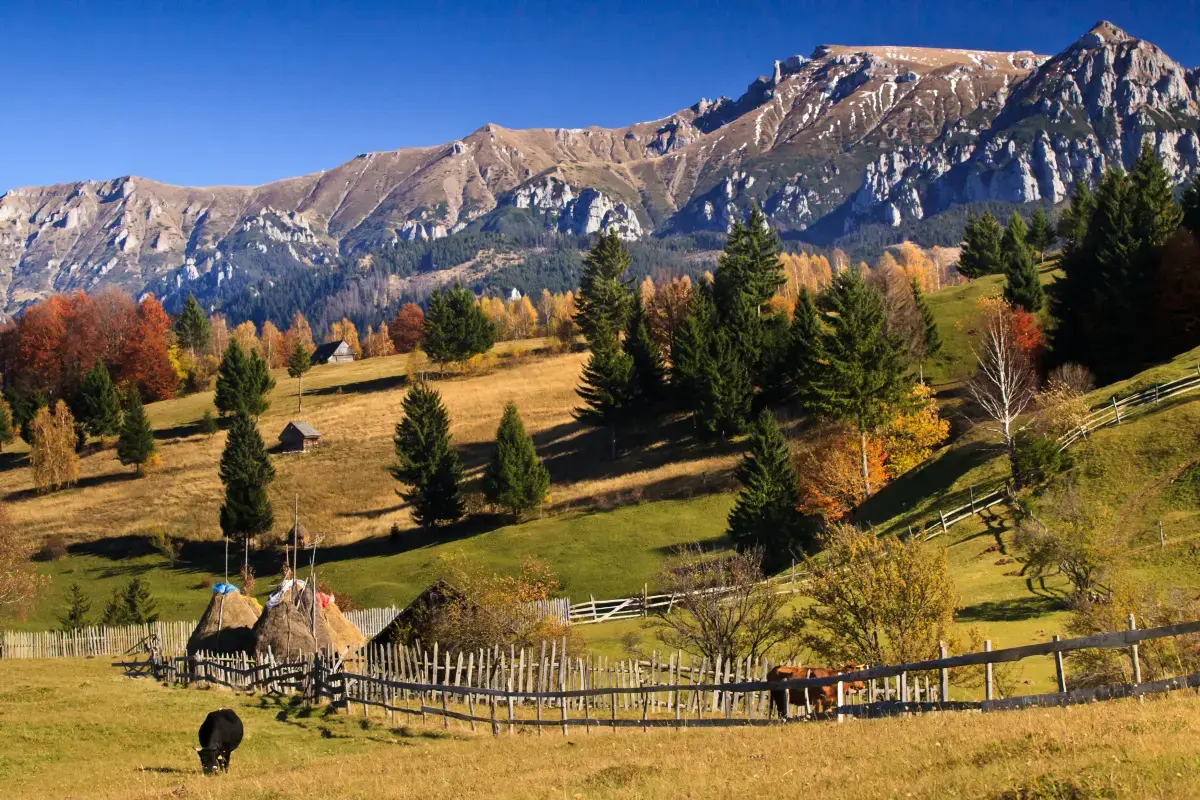
In 2026, Romania's labor force exhibits a dynamic composition, reflecting the nation's demographic diversity and evolving workforce trends. The median age of 39.2 years underscores a relatively youthful population, presenting both opportunities and challenges for the job market. Gender diversity within the labor force has been a focal point of progress, with women comprising 47% of the workforce. This shift reflects ongoing efforts to bridge gender gaps in employment and underscores the increasing participation of women across various sectors. Initiatives promoting gender equality and work-life balance have contributed to this positive trend. The youth demographic plays a pivotal role in shaping the labor force, with a growing emphasis on harnessing the potential of young talent. The challenge lies in providing meaningful opportunities for skill development, education, and employment to ensure that the youth demographic becomes a driving force for innovation and economic growth. Labor force participation rates have remained stable, indicating a workforce that actively engages in economic activities. There is a noticeable uptick in skilled workers seeking employment opportunities, reflecting a commitment to career development and continuous learning. The labor force in Romania is adapting to changing work patterns, with a noticeable rise in self-employment. Entrepreneurial ventures are on the rise, showcasing a spirit of innovation and a desire for autonomy. The gig economy is gaining traction, especially in sectors like technology and services, providing flexible work arrangements for a segment of the workforce. In summary, Romania's labor force and population dynamics reflect a nation in transition, adapting to the demands of a changing job market. The diverse demographics, coupled with a commitment to skill development, position Romania's workforce as a valuable asset in the global economy.
Employment Trends:
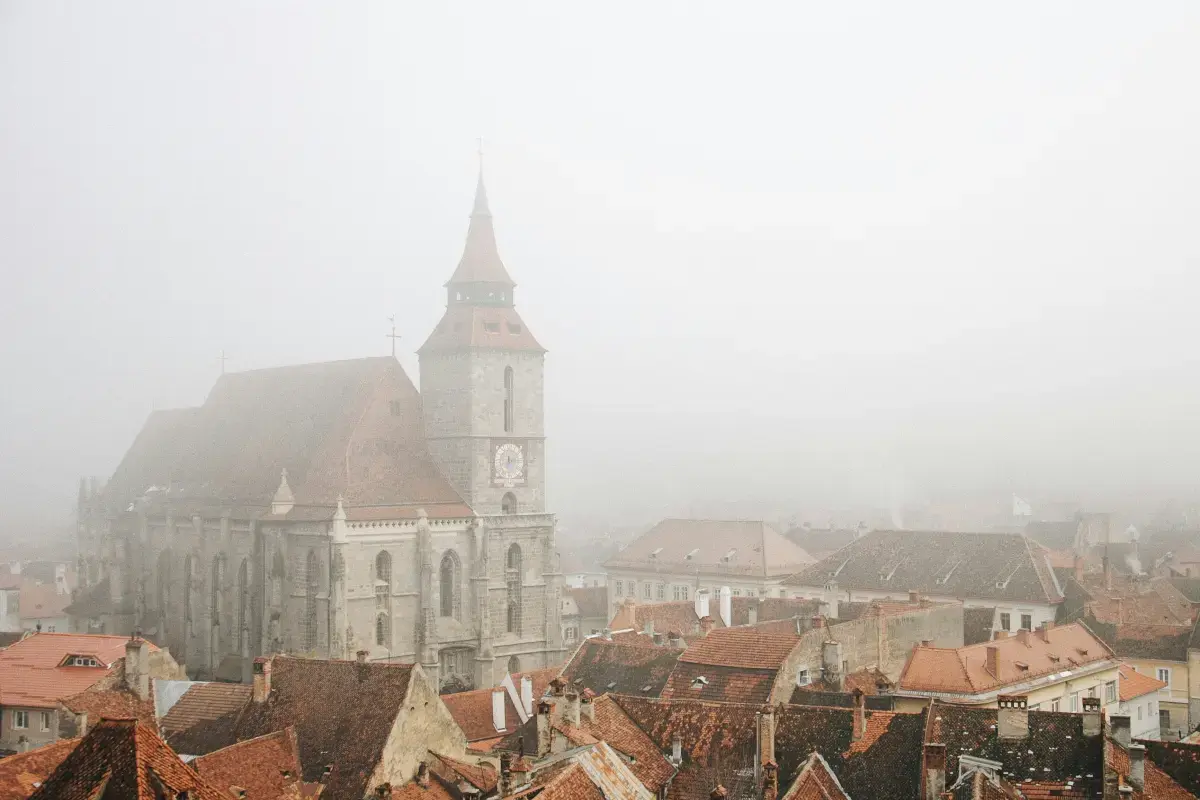
In 2026, the employment landscape in Romania is marked by dynamic shifts driven by technological advancements, industry diversification, and a resilient spirit in the face of economic challenges. Romania's employment trends showcase a notable diversification across industries, with traditional sectors coexisting alongside emerging fields. The technology sector, in particular, has experienced a surge in demand for skilled professionals, driving job creation in areas such as software development, artificial intelligence, and cybersecurity. The healthcare and renewable energy sectors have also emerged as significant contributors to employment, reflecting global trends towards sustainability and well-being. A distinctive trend is the rise in self-employment and entrepreneurship. A growing number of individuals are venturing into independent work, leveraging digital platforms and technological tools to offer services and products. This shift is influenced by factors such as digitalization, remote work possibilities, and a desire for greater autonomy in career choices. The overall employment rate stands at a robust 92%, indicating a high level of workforce participation. This figure reflects the effectiveness of policies supporting job creation and economic stability. The majority of the working-age population is actively contributing to the economy, fostering a sense of productivity and economic engagement. While the overall employment trends are positive, challenges exist. Ensuring a skilled workforce that aligns with emerging industry needs is imperative. Addressing skills gaps through education and training programs is crucial to sustaining employment growth and fostering innovation. Romania's employment trends reflect a nation adapting to the demands of a modern and technologically driven economy. The diversification of industries, the rise in self-employment, and the emphasis on sustainability signal a dynamic and resilient job market.
Unemployment:
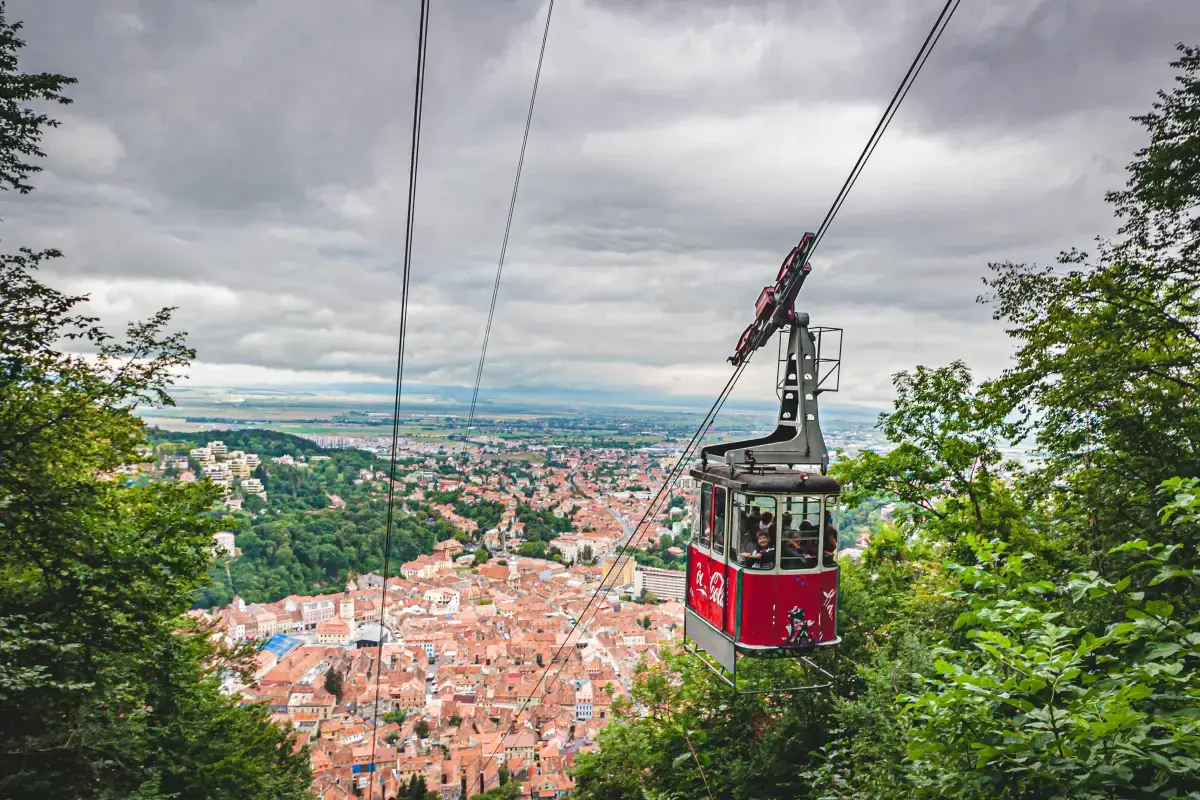
As of 2026, Romania's unemployment landscape is characterized by a combination of positive trends and persisting challenges, reflecting the intricate interplay of economic factors, technological advancements, and the ongoing evolution of the labor market. The overall unemployment rate stands at 4.5%, showcasing a positive trajectory. This figure reflects the nation's resilience in maintaining a relatively low unemployment rate despite global economic uncertainties. The collaborative efforts of government initiatives, private sector investments, and workforce adaptability have contributed to this favorable scenario. One notable achievement is the decline in youth unemployment. Efforts to address this demographic's specific challenges, including skill mismatches and limited work experience, have yielded positive results. Programs focused on internship opportunities, apprenticeships, and skill development initiatives have played a crucial role in providing young individuals with a pathway to meaningful employment. Structural unemployment remains a challenge, particularly in regions and industries undergoing significant transformation. The shift towards digitalization and automation has led to changes in job requirements, necessitating reskilling and upskilling initiatives to ensure that workers can transition to new roles. Addressing structural unemployment requires a strategic approach involving collaboration between government, industry, and educational institutions. Regional disparities in unemployment rates highlight the need for targeted policies to promote economic development and job creation in underserved areas. Urban centers, such as Bucharest and Cluj-Napoca, tend to have lower unemployment rates compared to rural regions. Efforts to promote regional development, such as infrastructure projects and investment incentives, can help bridge the gap and create more balanced employment opportunities across the country. The correlation between education levels and unemployment rates is evident, with higher educational attainment generally associated with lower unemployment. This underscores the importance of education and training in enhancing employability and reducing unemployment. Initiatives promoting lifelong learning and vocational training can help individuals adapt to changing job market demands. Overall, Romania's unemployment landscape in 2026 reflects a positive and stable scenario, with low overall unemployment rates and targeted efforts to address specific challenges.
Job Vacancies and Labor Demand:
In 2026, Romania's job market is characterized by a dynamic interplay of evolving industries, technological advancements, and the demand for specialized skills. The following insights provide a detailed exploration of job vacancies and labor demand, shedding light on the changing dynamics of the employment landscape. Job vacancies are prevalent across various sectors, with a notable surge in technology-driven industries. The information technology (IT) sector, in particular, is a major contributor to job openings, reflecting the nation's commitment to digital transformation and innovation. Roles in software development, data science, and cybersecurity are in high demand, underscoring the critical need for a skilled workforce to support the burgeoning tech ecosystem. The rise of emerging industries, such as renewable energy and green technology, has significantly contributed to labor demand. Job vacancies in these sectors span a spectrum of roles, including engineers specializing in sustainable practices, technicians for renewable energy installations, and project managers for green initiatives. The integration of technology into various industries has reshaped labor demand. The Fourth Industrial Revolution has fueled the need for professionals skilled in artificial intelligence, machine learning, and automation. Companies are actively seeking individuals who can contribute to digital transformation initiatives and navigate the evolving technological landscape. As industries evolve, new occupations emerge. Job vacancies reflect the emergence of roles that may not have existed a decade ago, such as social media managers, e-commerce specialists, and sustainability consultants. This evolution necessitates a flexible and adaptable workforce capable of embracing emerging job profiles. Labor demand exhibits regional disparities, with urban areas often experiencing higher demand compared to rural counterparts. Technology hubs and business centers attract a significant portion of job opportunities, creating challenges for regions with lower economic activity. Addressing these disparities requires strategic regional development initiatives and targeted investments. Despite high job vacancies, there may be challenges related to skills mismatches. The evolving nature of industries demands a continuous focus on education and training programs that align with current and future labor market needs. Bridging the skills gap ensures that individuals are equipped with the competencies sought by employers. Government policies play a crucial role in supporting labor demand. Initiatives such as incentive programs for businesses, funding for research and development, and collaboration with industries contribute to a favorable environment for job creation. Strategic alignment between government policies and labor market needs is essential for sustained economic growth. The job vacancies and labor demand landscape in Romania demonstrate a thriving and competitive employment market. To capitalize on these opportunities, stakeholders must prioritize education and training, address regional disparities, and proactively adapt to the changing nature of work driven by technological advancements.

Wages and Compensation:
The landscape of wages and compensation in Romania in 2026 reflects a blend of economic growth, industry dynamics, and the evolving expectations of the workforce. Understanding the nuances of wage trends provides valuable insights into the financial well-being of the workforce and the broader economic health of the nation. Average wages in Romania have experienced moderate growth, aligning with the overall positive economic trajectory. Sectors such as technology, finance, and healthcare often lead in offering competitive compensation packages. The consistent growth in average wages indicates a commitment to improving the standard of living for the workforce, contributing to increased consumer spending and economic stability. Significant variations in wages exist between industries. Technology-driven sectors, including IT and artificial intelligence, tend to offer higher average wages due to the specialized skill set required. Meanwhile, traditional industries may face challenges in matching these compensation levels. Bridging the wage gap between sectors is crucial for ensuring equitable economic growth and attracting talent across diverse fields. Benefits and compensation packages are also an important aspect of the job market, with employers offering competitive packages to attract and retain talent. Beyond salary, perks such as health insurance, flexible work arrangements, professional development opportunities, and retirement benefits play a crucial role in the overall compensation structure. The growth in average wages in Romania is generally outpacing inflation rates, contributing to an improved standard of living for many workers. This trend reflects the country's commitment to ensuring that wages remain in line with economic growth and productivity. Efforts to address wage disparities and promote fair compensation practices are ongoing. Initiatives aimed at reducing gender pay gaps and ensuring equal pay for equal work are gaining traction, contributing to a more inclusive and equitable job market. Overall, the wages and compensation landscape in Romania in 2026 reflects a competitive and dynamic job market, characterized by a strong focus on skills development and innovation. Policymakers, businesses, and individuals must continue to collaborate to ensure that the workforce is well-compensated and equipped to meet the demands of a rapidly evolving economy.

Education and Training:
The education and training landscape in Romania in 2026 is undergoing transformative changes to align with the dynamic needs of the job market. A comprehensive exploration of these aspects reveals a complex interplay between educational attainment, skill development, and the evolving demands of industries. Romania has witnessed improvements in educational attainment levels, with a focus on increasing the percentage of the population obtaining higher education degrees. The emphasis on education as a pathway to economic advancement is evident, and policies supporting access to quality education have contributed to a more educated workforce. A critical challenge lies in aligning education and training programs with the evolving needs of the job market. There is a growing recognition of the importance of bridging the gap between academic curricula and industry requirements. Collaborative efforts between educational institutions and industries are crucial to ensure that graduates possess the skills and knowledge demanded by the contemporary job market. Vocational and technical training programs are gaining prominence, offering alternative pathways to employment for individuals seeking practical skills and hands-on experience. These programs are particularly relevant in sectors such as manufacturing, construction, and healthcare, where specialized skills are in high demand. The government has implemented policies to support lifelong learning, ensuring that individuals have opportunities to update their skills and adapt to technological advancements. Continuing education and adult learning programs are readily available to help the workforce remain competitive. Efforts to promote STEM (science, technology, engineering, and mathematics) education are gaining momentum, reflecting the growing demand for technical skills in the job market. Initiatives aimed at encouraging students to pursue careers in STEM fields are essential for fostering innovation and addressing skills shortages. Overall, the education and training landscape in Romania in 2026 reflects a strong commitment to skills development and innovation, ensuring a competitive and resilient labor market. Policymakers, educators, and businesses must continue to collaborate to address emerging needs and ensure that the workforce remains well-equipped for the evolving demands of the job market.

Industry Analysis:
The industrial landscape in Romania in 2026 is marked by a blend of traditional strengths and emerging sectors, showcasing adaptability in the face of global economic shifts. A detailed industry analysis provides insights into the performance, challenges, and opportunities within key sectors that contribute significantly to the nation's economic growth. The technology sector continues to be a driving force in Romania's industrial landscape. The country has established itself as a regional hub for innovation and IT services. Software development, artificial intelligence, and cybersecurity have experienced robust growth, attracting both domestic talent and international investments. Government incentives and a skilled workforce contribute to the sector's dynamism, positioning Romania as a competitive player in the global tech ecosystem. The manufacturing sector, particularly automotive manufacturing, remains a cornerstone of Romania's industrial prowess. The presence of major automakers and a well-developed supply chain contribute to the sector's resilience and competitiveness. Investments in advanced manufacturing technologies, automation, and sustainability initiatives enhance the sector's productivity and global standing. The renewable energy sector is gaining momentum, with a focus on solar, wind, and biomass energy. Romania's commitment to environmental sustainability and reducing carbon emissions aligns with global efforts to address climate change. The growth of the renewable energy sector creates job opportunities and contributes to the diversification of the energy mix. The healthcare sector is experiencing growth, driven by an aging population and increased emphasis on healthcare services. The demand for healthcare professionals, including doctors, nurses, and healthcare technicians, is on the rise. Investments in healthcare infrastructure and digital health technologies are enhancing the sector's capacity to meet the needs of the population. The service sector, encompassing finance, tourism, and retail, continues to be a significant contributor to employment and economic output. The resilience of the service sector reflects Romania's adaptability to global trends and consumer demands. Overall, the industry landscape in Romania in 2026 reflects a diverse and dynamic economy, characterized by a strong focus on innovation, sustainability, and skills development. Policymakers and businesses must continue to monitor industry trends and proactively address challenges to ensure sustained economic growth and competitiveness.

Occupational Analysis:
The occupational landscape in Romania in 2026 reflects the changing demands of the job market, driven by technological advancements, industry shifts, and evolving societal needs. A detailed analysis of different occupations provides insights into growth prospects, salary trends, and the skills in demand across various sectors. Roles in information technology continue to be in high demand, with job opportunities ranging from software developers and data scientists to cybersecurity experts. The rapid growth of the technology sector emphasizes the importance of skills in coding, programming languages, and cybersecurity, making IT occupations among the most sought-after in the job market. Healthcare professions, including doctors, nurses, and medical researchers, play a pivotal role in ensuring the well-being of the population. The healthcare sector is experiencing growth, driven by advancements in medical technology, increased emphasis on preventive care, and the need for skilled professionals to address public health challenges. The manufacturing sector continues to provide employment opportunities, particularly in high-skilled roles such as engineering, robotics, and quality control. The integration of advanced technologies and automation has created a demand for professionals with expertise in these areas. The service sector encompasses a wide range of occupations, from finance and hospitality to information technology and customer service. The diversity of employment options reflects the resilience and adaptability of the Romanian economy. The rise of the gig economy and remote work has introduced new occupational dynamics, with individuals pursuing freelance work, consulting, and entrepreneurial ventures. This shift is influenced by digitalization and the desire for flexible work arrangements. Overall, the occupational landscape in Romania in 2026 reflects a strong focus on innovation, sustainability, and skills development, offering opportunities for growth and development across various sectors. Policymakers, educators, and businesses must continue to collaborate to ensure that the workforce is well-prepared to meet the demands of a rapidly evolving job market.

Regional Variations:
Regional variations in Romania's job market highlight diverse economic conditions, employment patterns, and opportunities across different geographic areas. Understanding these variations is crucial for policymakers, businesses, and individuals to address disparities, promote inclusive development, and tailor strategies to regional needs. The urban-rural divide persists, with urban areas experiencing faster job growth and economic development compared to rural regions. Urban centers, particularly the capital city Bucharest, often attract more investment, resulting in a higher concentration of industries, services, and job opportunities. Addressing this divide requires targeted initiatives to boost economic activities and infrastructure development in rural areas. Certain regions or economic development zones may emerge as hubs for specific industries. For example, technology parks, industrial zones, or innovation clusters may concentrate in specific regions, creating specialized job markets. Policymakers may focus on replicating successful models in other regions to promote balanced economic growth. Regional disparities in wages and employment opportunities highlight the need for targeted policies to address these imbalances. Efforts to promote regional development, such as infrastructure projects, investment incentives, and support for local businesses, can help bridge the gap between urban and rural areas. The presence of industrial clusters in certain regions contributes to regional economic dynamics. For example, the automotive industry is concentrated in specific areas, creating specialized job markets and opportunities for collaboration between businesses and educational institutions. Understanding these clusters can inform strategies for workforce development and economic planning. Overall, the regional variations in Romania in 2026 reflect a diverse and dynamic job market, with opportunities for growth and development across various sectors. Policymakers and stakeholders must consider these regional dynamics when formulating strategies to promote inclusive and sustainable economic growth.

Special Topics or Issues:
Beyond the general trends and dynamics, certain special topics and issues shape Romania's job market in unique ways, influencing both challenges and opportunities. Examining these special topics provides a more nuanced understanding of the complexities and considerations that impact the labor landscape. The rapid pace of technological advancements introduces both opportunities and challenges. While technology-driven industries experience growth, there is a simultaneous need for upskilling and reskilling programs to equip the workforce with the necessary digital competencies. Balancing the benefits of automation with the potential displacement of certain roles becomes a critical consideration for sustainable job market development. Globalization has interconnected job markets, making international talent mobility a relevant issue. Attracting and retaining skilled professionals from diverse backgrounds contributes to the country's competitiveness. However, it also raises considerations regarding workforce diversity, cultural integration, and the potential impact on domestic employment. The emphasis on sustainability and green practices is reshaping the job market. The rise of green jobs in sectors such as renewable energy, sustainable agriculture, and eco-friendly manufacturing reflects a growing commitment to environmental responsibility. Policymakers and businesses must continue to promote sustainable practices and invest in green technologies. The aging population presents both challenges and opportunities for the job market. While experienced workers bring valuable knowledge and skills, there is a need for policies that support active aging, lifelong learning, and intergenerational knowledge transfer. Addressing the needs of an aging workforce is crucial for maintaining productivity and economic growth. The lingering effects of the COVID-19 pandemic continue to influence the job market. The resilience of certain sectors, such as technology and healthcare, contrasts with the challenges faced by industries like tourism and hospitality. Adapting to the new normal, including remote work and digital transformation, remains a priority for businesses and employees. Overall, addressing these special topics and issues is crucial for creating a more dynamic, competitive, and resilient job market in Romania in 2026. Policymakers, businesses, and individuals must collaborate to navigate these challenges and seize opportunities for continued economic prosperity.
Recommendations and Policy Implications:
Based on the findings and analyses presented in the Romania 2026 Job Market Report, several recommendations and policy implications emerge. These suggestions are aimed at addressing challenges, optimizing opportunities, and fostering a resilient and inclusive job market. Stakeholders, including policymakers, educators, and employers, can consider the following strategies:
1. Continuous Skills Development:
Policy Implication: Establish and promote robust programs for continuous skills development, emphasizing digital literacy, soft skills, and industry-specific training. Encourage partnerships between educational institutions and industries to ensure curriculum relevance.
2. Strengthening Education-Industry Collaboration:
Policy Implication: Foster closer collaboration between educational institutions and industries through the establishment of advisory boards, internships, and joint research initiatives. This ensures that graduates are equipped with the skills demanded by the job market.
3. Supporting Entrepreneurship:
Policy Implication: Implement policies that support entrepreneurship and innovation, providing access to funding, mentorship, and resources for startups and small businesses. Encourage collaboration between startups, established companies, and research institutions to drive innovation and economic growth.
4. Promoting Regional Development:
Policy Implication: Develop targeted policies to promote regional development, addressing disparities in job opportunities and economic growth. Invest in infrastructure, education, and training programs in underserved regions to create a more balanced and inclusive job market.
5. Emphasizing Sustainability and Green Practices:
Policy Implication: Encourage the adoption of sustainable practices across industries, promoting green jobs and environmental responsibility. Implement incentives for businesses to invest in renewable energy, sustainable agriculture, and eco-friendly manufacturing.
Overall, these recommendations and policy implications aim to create a more dynamic, competitive, and resilient job market in Romania in 2026. By addressing key challenges and leveraging opportunities, stakeholders can foster a vibrant and inclusive labor market that supports economic growth and prosperity.

Related Articles






Jobs

 Remote