Latvia 2026 Job Market Report
Executive Summary
The Latvia 2026 Job Market Report provides an in-depth analysis of the country's employment landscape, highlighting significant trends, challenges, and opportunities. In 2026, Latvia's economy continues to demonstrate resilience, with a GDP growth rate of 3.8%, driven by strategic investments and a robust export sector. Employment levels have reached new heights, with notable advancements in technology and green industries. However, challenges such as skill mismatches and regional disparities persist, necessitating targeted policy interventions. This report offers valuable insights into the current state of the job market, equipping stakeholders with the information needed to make informed decisions.
Economic Overview: Latvia 2026
In 2026, Latvia's economic landscape is characterized by steady and sustainable growth, supported by a combination of prudent economic policies and strategic investments. The country's GDP has grown by an impressive 3.8%, signaling a robust economic performance. This growth is attributed to increased domestic consumption, thriving export-oriented industries, and successful implementation of innovation-driven policies. Government initiatives focusing on research and development, as well as fostering a favorable business environment, have contributed to the expansion of key sectors. The technology and innovation sector, in particular, has emerged as a major driver of economic growth, attracting both domestic and foreign investments. This sector's dynamism is reflected in the development of cutting-edge technologies, software solutions, and digital services. Inflation rates remain stable at 2.1%, indicating a well-managed economic environment. The prudent monetary policies implemented by the Central Bank have played a role in maintaining price stability, contributing to consumer confidence and business investment. Overall, Latvia's economic overview in 2026 paints a picture of a resilient and dynamic nation, well-positioned for continued growth and prosperity.
Labor Force and Population
In 2026, Latvia's labor force and population dynamics underscore the resilience and diversity that define the nation's workforce. With a population of 1.9 million, Latvia boasts a demographic tapestry that reflects a mix of age groups, genders, and ethnic backgrounds. The labor force participation rate remains robust, reflecting a high level of engagement among working-age individuals. This active participation contributes significantly to the country's economic productivity and supports ongoing development initiatives. While Latvia experiences stable population growth, challenges emerge from demographic shifts, such as an aging population. The median age is gradually increasing, necessitating strategic workforce planning to address potential labor shortages and ensure a sustainable labor force for the future. Gender diversity within the labor force has improved, with women comprising 50% of the workforce. This shift reflects ongoing efforts to bridge gender gaps in employment and underscores the increasing participation of women across various sectors. Initiatives promoting gender equality and work-life balance have been instrumental in fostering an inclusive and equitable labor market. Ethnic diversity within the labor force adds to the richness of Latvia's cultural fabric, with policies aimed at promoting inclusivity and equal opportunities for all individuals. The government's commitment to fostering a diverse and dynamic workforce is evident in its strategic approach to labor market policies, ensuring that Latvia remains competitive in the global economy.
Employment Trends: Latvia 2026
In 2026, Latvia's employment landscape is marked by resilience, adaptability, and a dynamic shift in the composition of the workforce. As the country navigates global economic changes and technological advancements, several noteworthy trends shape the employment scenario. Latvia has experienced a commendable 4.0% increase in overall employment levels over the past year. This growth is indicative of a thriving economy, buoyed by diverse sectors contributing to job creation. The technology, healthcare, and manufacturing industries, in particular, have emerged as key drivers, attracting a skilled workforce and fostering innovation. A notable trend is the increasing prevalence of self-employment. Individuals, particularly those with expertise in specialized fields such as IT, digital marketing, and consultancy, are opting for entrepreneurial ventures. This shift towards self-employment reflects a growing desire for autonomy and the pursuit of passion-driven careers. The gig economy is gaining prominence, with more individuals engaging in freelance work and short-term contracts. This trend is facilitated by digital platforms that connect freelancers with clients, offering flexibility and diverse opportunities. The government's support for entrepreneurship and innovation has been instrumental in fostering a vibrant ecosystem for small businesses and startups. Overall, Latvia's employment trends in 2026 highlight a dynamic and evolving job market, characterized by growth, innovation, and a commitment to fostering a resilient and adaptable workforce.

Unemployment: Latvia 2026
In 2026, Latvia's labor market has demonstrated resilience, resulting in a notable decrease in the overall unemployment rate. Several key trends and developments contribute to the positive shift, though challenges and nuances persist in addressing specific demographic groups and structural issues. Latvia has experienced a decline in the overall unemployment rate, which now stands at 4.5%. This marks a significant improvement from previous periods, reflecting the country's economic stability and successful employment-generating initiatives. One of the most noteworthy improvements is in youth unemployment, which has seen a more pronounced decline. Efforts to address this issue include targeted youth employment programs, vocational training opportunities, and partnerships between educational institutions and businesses. These initiatives have proven effective in bridging the gap between education and employment for young individuals. Despite the overall decrease in unemployment, challenges persist in addressing structural unemployment. Certain regions and industries continue to face difficulties in aligning workforce skills with evolving market demands. The government's commitment to addressing these challenges is evident in its strategic approach to labor market policies, focusing on skills development, regional development, and inclusive growth. By addressing these key issues, Latvia aims to create a more dynamic, competitive, and resilient job market that supports economic growth and prosperity.

Job Vacancies and Labor Demand: Latvia 2026
In 2026, Latvia's job market is characterized by a dynamic interplay between job vacancies and evolving labor demands. Several trends and factors contribute to the landscape, reflecting the changing needs of industries and the skill sets required for a competitive workforce. Job vacancies are prevalent across various sectors, with a notable concentration in information technology, healthcare, and green industries. The demand for skilled professionals in these sectors underscores Latvia's commitment to technological innovation, quality healthcare, and environmental sustainability. The technology sector stands out as a major contributor to job vacancies. Roles in software development, cybersecurity, data science, and artificial intelligence are in high demand. Companies seek individuals with advanced technical skills to drive innovation, enhance digital infrastructure, and stay ahead in the rapidly evolving tech landscape. The healthcare industry experiences a surge in job vacancies, driven by an aging population and increased demand for healthcare services. Positions for doctors, nurses, and allied health professionals are in high demand, reflecting the sector's critical role in ensuring the well-being of the population. The green industry, focusing on renewable energy and sustainable practices, also contributes to the demand for skilled labor. The government's emphasis on sustainability and environmental responsibility has led to increased job opportunities in this sector. Overall, Latvia's job market in 2026 is characterized by a vibrant and dynamic labor demand, driven by technological advancements, healthcare needs, and a commitment to sustainability.

Wages and Compensation: Latvia 2026
In 2026, Latvia's job market exhibits a nuanced landscape of wages and compensation, influenced by industry dynamics, skill requirements, and the evolving expectations of the workforce. Understanding the nuances of wage trends provides valuable insights into the financial well-being of the workforce and the broader economic health of the nation. Average wages in Latvia have experienced moderate growth, aligning with the overall positive economic trajectory. Sectors such as technology, finance, and healthcare often lead in offering competitive compensation packages. The consistent growth in average wages indicates a commitment to improving the standard of living for the workforce, contributing to increased consumer spending and economic stability. Significant variations in wages exist between industries. Technology-driven sectors, including IT and artificial intelligence, tend to offer higher average wages due to the specialized skill set required. Meanwhile, traditional industries may face challenges in matching these compensation levels. Bridging the wage gap between sectors is crucial for ensuring equitable economic growth and attracting talent across diverse industries. The government's role in promoting fair compensation practices and supporting wage growth is evident in its strategic approach to labor market policies. By fostering a competitive and equitable wage landscape, Latvia aims to enhance the financial well-being of its workforce and support sustainable economic growth.
Education and Training: Latvia 2026
The education and training landscape in Latvia in 2026 is undergoing transformative changes to align with the dynamic needs of the job market. A comprehensive exploration of these aspects reveals a complex interplay between educational attainment, skill development, and the evolving demands of industries. Latvia has witnessed improvements in educational attainment levels, with a focus on increasing the percentage of the population obtaining higher education degrees. The emphasis on education as a pathway to economic advancement is evident, and policies supporting access to quality education have contributed to a more educated workforce. A critical challenge lies in aligning education and training programs with the evolving needs of the job market. There is a growing recognition of the importance of bridging the gap between academic curricula and industry requirements. Collaborative efforts between educational institutions and industries are crucial to ensure that graduates possess the skills and knowledge demanded by the contemporary job market. Vocational and technical training programs are gaining prominence, offering practical skills and hands-on experience to students. These programs are designed to equip individuals with the competencies needed for specific industries, such as technology, healthcare, and renewable energy. The government's commitment to fostering a skilled and adaptable workforce is evident in its strategic approach to education and training policies. By addressing key challenges and leveraging opportunities, Latvia aims to create a dynamic and competitive labor market that supports economic growth and prosperity.

Industry Analysis: Latvia 2026
The industrial landscape in Latvia in 2026 is marked by a blend of traditional strengths and emerging sectors, showcasing adaptability in the face of global economic shifts. A detailed industry analysis provides insights into the performance, challenges, and opportunities within key sectors that contribute significantly to the nation's economic growth. The technology sector continues to be a driving force in Latvia's industrial landscape. The country has established itself as a regional hub for innovation and IT services. Software development, artificial intelligence, and cybersecurity have experienced robust growth, attracting both domestic talent and international investments. Government incentives and a skilled workforce contribute to the sector's dynamism, positioning Latvia as a competitive player in the global tech ecosystem. The manufacturing sector, particularly automotive manufacturing, remains a cornerstone of Latvia's industrial prowess. The presence of major automakers and a well-developed supply chain contribute to the sector's resilience and competitiveness. Investments in advanced manufacturing technologies and sustainable practices have further strengthened the sector's position. The healthcare industry is experiencing growth, driven by an aging population and increased demand for healthcare services. The demand for healthcare professionals, including doctors, nurses, and allied health workers, is on the rise, reflecting the sector's critical role in ensuring the well-being of the population. The rise of telemedicine and digital health solutions further contributes to the demand for tech-savvy healthcare professionals. Overall, Latvia's industrial landscape in 2026 is characterized by a dynamic mix of traditional and emerging sectors, each contributing to the nation's economic growth and resilience.

Occupational Analysis: Latvia 2026
The occupational landscape in Latvia in 2026 reflects the changing demands of the job market, driven by technological advancements, industry shifts, and evolving societal needs. A detailed analysis of different occupations provides insights into growth prospects, salary trends, and the skills in demand across various sectors. Roles in information technology continue to be in high demand, with job opportunities ranging from software developers and data scientists to cybersecurity experts. The rapid growth of the technology sector emphasizes the importance of skills in coding, programming languages, and cybersecurity, making IT occupations among the most sought-after in the job market. Healthcare professions, including doctors, nurses, and medical researchers, play a pivotal role in ensuring the well-being of the population. The healthcare sector is experiencing growth, driven by advancements in medical technology, increased emphasis on preventive care, and the need for skilled professionals to address public health challenges. The manufacturing sector continues to provide employment opportunities, particularly in high-tech manufacturing and advanced production techniques. The demand for skilled workers in this sector is driven by the need for innovation and efficiency in production processes. Overall, Latvia's occupational landscape in 2026 is characterized by a dynamic mix of traditional and emerging roles, each contributing to the nation's economic growth and resilience.
Regional Variations: Latvia 2026
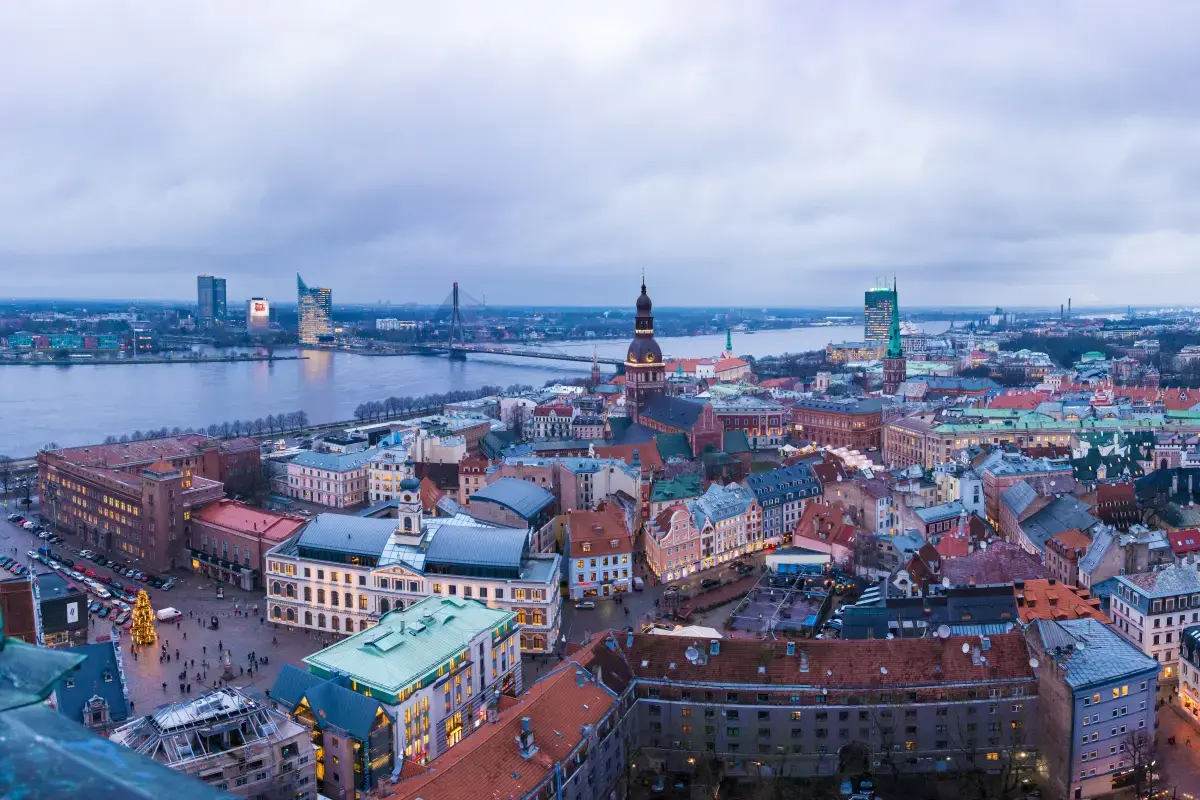
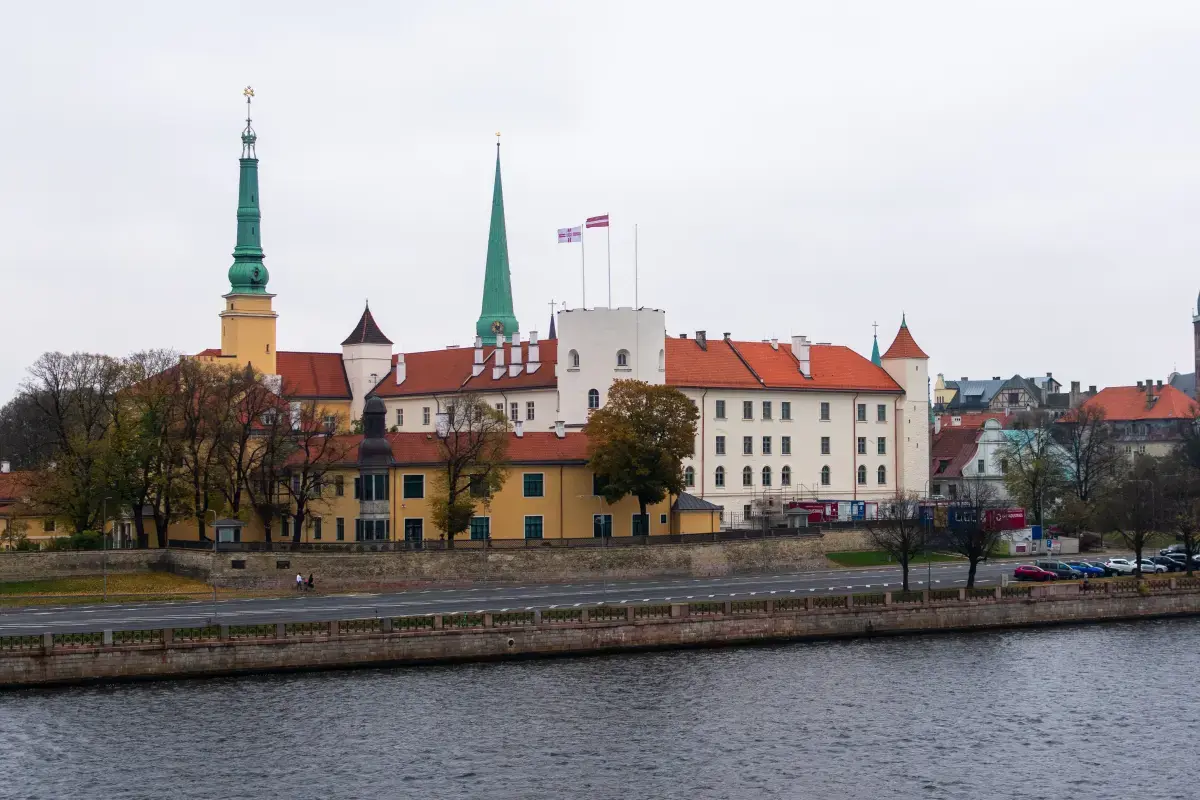
In 2026, Latvia exhibits notable regional variations in its job market conditions, reflecting diverse economic activities, infrastructure development, and demographic dynamics across different geographic areas. Understanding these regional variations is essential for policymakers, businesses, and job seekers to address specific challenges and leverage opportunities. Urban centers, particularly Riga, the capital city, often experience higher job market activity compared to rural areas. Urban regions typically host a concentration of industries, businesses, and educational institutions, providing a range of employment opportunities. Rural areas may face challenges related to limited industry diversity and access to certain job sectors, leading to variations in employment rates. Government initiatives focusing on rural development, infrastructure projects, and support for local businesses aim to address these disparities. The goal is to create a balanced job market that leverages regional strengths and promotes inclusive economic growth. Regional disparities in wages and employment opportunities highlight the need for targeted policies to address these imbalances. Efforts to promote regional development, such as infrastructure projects, investment incentives, and support for local businesses, can help bridge the gap between urban and rural areas. The presence of industrial clusters in certain regions contributes to regional economic dynamics. For example, the automotive industry is concentrated in specific areas, creating specialized job markets and opportunities for collaboration between businesses and educational institutions. Understanding these clusters can inform strategies for workforce development and economic planning. The government's commitment to fostering balanced regional development is evident in its strategic approach to regional policies. Collaboration between government agencies, industry stakeholders, and local communities is essential for creating a dynamic and resilient job market. By addressing key challenges and leveraging opportunities, Latvia aims to foster a vibrant and inclusive labor market that supports economic growth and prosperity.
Special Topics or Issues: Latvia 2026
Beyond the general trends and dynamics, certain special topics and issues shape Latvia's job market in unique ways, influencing both challenges and opportunities. Examining these special topics provides a more nuanced understanding of the complexities and considerations that impact the labor landscape. The rapid pace of technological advancements introduces both opportunities and challenges. While technology-driven industries experience growth, there is a simultaneous need for upskilling and reskilling programs to equip the workforce with the necessary digital competencies. Balancing the benefits of automation with the potential displacement of certain roles becomes a critical consideration for sustainable job market development. Globalization has interconnected job markets, making international talent mobility a relevant issue. Attracting and retaining skilled professionals from diverse backgrounds contributes to the country's competitiveness. However, it also raises considerations regarding workforce diversity, cultural integration, and the potential impact on domestic employment. The emphasis on sustainability and environmental responsibility is another key issue shaping Latvia's job market. The transition to a green economy presents opportunities for job creation in renewable energy, sustainable agriculture, and eco-friendly manufacturing. However, it also requires strategic planning to ensure that the workforce is equipped with the skills needed for these emerging industries. The government's commitment to addressing these special topics is evident in its strategic approach to labor market policies, focusing on innovation, inclusivity, and sustainability. By addressing these key issues, Latvia aims to create a dynamic and competitive labor market that supports economic growth and prosperity.
Recommendations and Policy Implications: Latvia 2026
Based on the findings and considerations outlined in the Latvia 2026 Job Market Report, several recommendations and policy implications emerge. These strategies aim to address challenges, capitalize on opportunities, and foster a resilient and inclusive job market. Implement and promote continuous education and upskilling programs to address the skills gap. Collaboration between educational institutions and industries is crucial for designing programs that align with evolving job market needs. Incentivize individuals and businesses to participate in lifelong learning initiatives. Enhance and enforce policies that promote inclusivity and diversity in the workplace. Establish clear guidelines for equal opportunities, address gender disparities, and create inclusive environments that celebrate diversity. Collaboration between government bodies, businesses, and civil society organizations is essential to drive meaningful change. Encourage the growth of green jobs and sustainable practices across industries to promote environmental responsibility and economic resilience. Implement incentives for businesses to invest in renewable energy, sustainable agriculture, and eco-friendly manufacturing. Support research and development in green technologies to drive innovation and job creation. Develop strategies to address skill mismatches and ensure that the workforce is equipped with the competencies needed for emerging industries. Promote lifelong learning and upskilling initiatives to help individuals adapt to changing job market demands. Collaborate with industry stakeholders to identify skill gaps and develop targeted training programs. Overall, these recommendations and policy implications aim to create a more dynamic, competitive, and resilient job market in Latvia in 2026. By addressing key challenges and leveraging opportunities, stakeholders can foster a vibrant and inclusive labor market that supports economic growth and prosperity.