Estonia 2026 Job Market Report
Executive Summary:
The Estonian job market in 2026 reflects a robust and dynamic economy, characterized by significant growth in key sectors and a commitment to innovation and sustainability. The GDP has grown by 4.2%, driven by strategic investments in technology and green energy. Employment levels have reached new heights, with notable advancements in digital industries and sustainable practices. However, challenges such as skill mismatches and regional disparities persist, necessitating targeted policy interventions. This report provides a comprehensive analysis of the current employment landscape, offering insights into key trends, challenges, and opportunities for stakeholders.
Introduction:
This report analyzes the Estonian job market conditions in 2026, providing a comprehensive overview of key indicators influencing employment dynamics. The analysis is focused on the current year, offering insights into economic conditions, labor force characteristics, industry trends, and policy considerations. Estonia's economy continues to demonstrate resilience, with a focus on technological innovation and sustainable development. The job market is characterized by a high demand for skilled professionals, particularly in the technology and green energy sectors. This report aims to equip policymakers, educators, and employers with the information needed to make informed decisions and foster a competitive and inclusive job market.

Economic Overview:
Estonia's economic landscape in 2026 showcases a robust and resilient environment, characterized by sustained growth and a commitment to innovation. The country's GDP is projected to increase by 4.2%, building upon the positive trends observed in recent years. This growth is largely attributed to various factors, including pro-business policies, strategic investments in technology, and a focus on fostering a dynamic business ecosystem. The Estonian government's commitment to creating a favorable business climate has been instrumental in attracting both domestic and foreign investment. Policies promoting entrepreneurship, tax incentives, and streamlined regulatory processes have contributed to the diversification of the economy. The tech-savvy population and a vibrant startup culture have positioned Estonia as a hub for technological innovation in the region. In addition to technology, green energy initiatives have played a significant role in driving economic growth. Investments in renewable energy projects, coupled with a commitment to sustainability, have not only contributed to environmental conservation but also created new job opportunities. The inflation rate remains stable at 2.5%, indicating a well-managed economic environment. The prudent monetary policies implemented by the Central Bank have played a role in maintaining price stability, contributing to consumer confidence and business investment. Overall, Estonia's economic overview in 2026 paints a picture of a resilient and dynamic nation, well-positioned for continued growth and prosperity.
Labor Force and Population
Demographic Dynamics:
In 2026, Estonia continues to exhibit a diverse and dynamic population, characterized by a blend of age groups, genders, and ethnic backgrounds. The total population has experienced a modest growth of 1.5%, reflecting a combination of natural population increase and net migration. The demographic composition underscores the importance of understanding and addressing the varying needs of different segments of the population within the labor market. Estonia boasts a high and actively engaged labor force, with participation rates remaining robust. The population's willingness to participate in the workforce is influenced by the country's strong education system, emphasis on vocational training, and a culture that values innovation and adaptability. The high labor force participation rate contributes to the country's economic productivity and resilience. Despite the overall population growth, there are subtle demographic shifts worth noting. An aging population is one such trend, with a rising median age that presents both challenges and opportunities for the labor market. Encouragingly, recent trends suggest an increasing participation of older individuals, reflecting a shift towards active aging and extended careers. Population growth trends in Estonia indicate a modest increase, primarily driven by a balance between birth rates and net migration. While the country faces challenges related to an aging population and emigration, strategic policies aimed at enhancing the quality of life, healthcare, and economic opportunities are crucial for sustaining demographic stability.

Employment Trends:
In 2026, Estonia's employment landscape reflects positive trends, marked by growth and diversification. The country's commitment to technological innovation, coupled with a dynamic business environment, has contributed to an expanding job market. Estonia has experienced a 3.5% increase in overall employment levels in 2026. This growth is indicative of the country's economic resilience and the successful integration of emerging industries into the labor market. Sectors such as technology, healthcare, and renewable energy have been significant contributors to this positive trend, aligning with global demands and sustainability priorities. A noteworthy aspect of Estonia's employment landscape is the surge in self-employment. Entrepreneurs and freelancers are increasingly contributing to the economy, reflecting a spirit of innovation and a willingness to embrace non-traditional employment models. The rise of the gig economy is also gaining prominence, with more individuals engaging in freelance work and short-term contracts. This trend is facilitated by digital platforms that connect freelancers with clients, offering flexibility and diverse opportunities. The government's support for entrepreneurship and innovation has been instrumental in fostering a vibrant ecosystem for small businesses and startups. Overall, Estonia's employment trends in 2026 highlight a dynamic and evolving job market, characterized by growth, innovation, and a commitment to fostering a resilient and adaptable workforce.
Unemployment:
As of 2026, Estonia maintains a commendably low overall unemployment rate of 3.9%. This figure underscores the resilience of the country's economy and the effectiveness of labor market policies. The low unemployment rate reflects a healthy balance between job creation and workforce participation, positioning Estonia as a stable and attractive environment for both businesses and job seekers. Despite the overall positive outlook, a nuanced analysis reveals variations in unemployment rates across different demographic groups. Youth unemployment, while relatively low at 5.8%, is slightly higher than the national average. Addressing the unique challenges faced by younger job seekers, such as the transition from education to employment, is crucial for ensuring equitable opportunities and sustained economic growth. Examining unemployment rates based on educational attainment highlights the importance of skill alignment. Individuals with higher education levels generally experience lower unemployment rates, emphasizing the need for continuous education and upskilling initiatives. The government's role in promoting educational programs that align with industry needs is critical for reducing unemployment disparities. Overall, Estonia's unemployment landscape in 2026 reflects a well-managed labor market supported by strategic policies and a responsive workforce. While challenges such as youth unemployment persist, the proactive measures undertaken by the government position Estonia to address these issues effectively and sustain a healthy employment environment.
Job Vacancies and Labor Demand:
In 2026, Estonia is experiencing a notable increase in job vacancies, signaling a vibrant and growing job market. The rise in job openings reflects the dynamism of the economy, with various sectors actively seeking skilled individuals to contribute to their development. Certain sectors stand out for their particularly high demand for skilled workers. The technology sector, including software development, data science, and cybersecurity, continues to lead in job creation. The renewable energy industry, healthcare, and other knowledge-intensive sectors also contribute significantly to the surge in job vacancies. This trend aligns with Estonia's commitment to innovation, sustainability, and the digital economy. Companies across various industries are actively engaged in recruitment activities to attract and retain top talent. Recruitment efforts often involve a combination of traditional methods and the utilization of digital platforms, reflecting the influence of technology in talent acquisition. Employers are increasingly adopting innovative recruitment strategies, including partnerships with educational institutions, participation in job fairs, and leveraging online platforms to attract and retain top talent. The demand for specific skills has become a focal point in Estonia's labor market. Industries such as technology, healthcare, and green energy are particularly hungry for professionals with expertise in areas like data analysis, software development, and sustainable practices. Digital literacy and technical skills are increasingly valued, underscoring the importance of continuous learning and skill development.
Wages and Compensation:
In 2026, Estonia's labor market is characterized by positive wage trends, reflecting a combination of economic growth, low unemployment, and a competitive business environment. Analyzing wages and compensation provides insights into the financial well-being of the workforce, the attractiveness of the job market, and the overall economic prosperity. The average wage in Estonia has experienced healthy growth, increasing by 4.8% in 2026. This growth outpaces inflation, contributing to an improved standard of living for workers. The upward trajectory of average wages is indicative of a thriving economy and a job market that values the contributions of its workforce. Wage trends exhibit variations across different industries and occupations. The technology sector, with its high demand for specialized skills, tends to offer above-average compensation. Similarly, professions in healthcare, finance, and other knowledge-intensive fields command competitive salaries. Recognizing these variations is crucial for understanding the dynamics of the labor market and addressing potential wage disparities. Beyond base salaries, companies increasingly offer comprehensive benefits and compensation packages to attract and retain talent. Health insurance, retirement plans, flexible work arrangements, and professional development opportunities are integral components of these packages. The emphasis on work-life balance and employee well-being is reflected in benefits designed to enhance the overall quality of work and life for employees. Flexible compensation arrangements gain prominence as companies recognize the diverse needs and preferences of their workforce. Flexible work schedules, remote work options, and performance-based bonuses contribute to a more adaptable and employee-centric compensation structure. This flexibility not only accommodates individual preferences but also aligns with the changing dynamics of the modern workplace.
Education and Training:
In 2026, Estonia places a strong emphasis on education and training to align the skills of its workforce with the evolving demands of the job market. The following aspects delve into the strategies and dynamics of education and training in the country. Estonia boasts high educational attainment levels within its workforce, with a significant proportion of individuals holding tertiary degrees. The commitment to education is evident at both the secondary and higher education levels, contributing to a skilled and knowledgeable labor force. Government initiatives encouraging educational pursuits and fostering a culture of lifelong learning further enhance the overall educational landscape. The alignment between education and job market needs is a priority for Estonia. Educational programs are designed to equip students with practical, industry-relevant skills. Collaboration between educational institutions and industries ensures that curricula stay current, fostering a seamless transition from education to employment. Continuous dialogue between academia and the business sector helps identify emerging skill requirements, enabling educational institutions to adapt their offerings accordingly. Estonia places significant emphasis on vocational training, recognizing the importance of practical skills in various industries. Vocational education programs are tailored to meet the demands of specific sectors, including technology, manufacturing, and healthcare. Skills development initiatives focus on enhancing both technical and soft skills, with an acknowledgment that a well-rounded skill set is crucial for success in the modern job market. Lifelong learning is actively promoted to address the need for continuous upskilling and reskilling. Training programs and workshops are available for individuals at various stages of their careers, fostering a culture of adaptability and ensuring that the workforce remains competitive in a rapidly changing economic landscape. Digital literacy and proficiency in emerging technologies are key components of lifelong learning programs, reflecting the increasing importance of these skills across industries.

Industry Analysis:
As of 2026, Estonia's economic landscape is characterized by a diverse range of industries contributing to its growth and stability. A strategic blend of traditional sectors and emerging industries positions Estonia as a competitive player in the global market. The analysis of major industries provides insights into their performance, challenges, and contributions to the overall economic framework. The technology sector continues to be a driving force in Estonia's economy. Known for its advanced digital infrastructure, Estonia has cultivated a thriving tech ecosystem. Software development, cybersecurity, and data analytics are key components of this sector, attracting both local talent and international investments. Ongoing government support for innovation and technology initiatives fosters a culture of entrepreneurship and creativity. The renewable energy sector plays a pivotal role in Estonia's commitment to sustainability. Investments in wind, solar, and biomass projects contribute to both environmental conservation and job creation. The sector's growth is supported by government incentives and a focus on reducing carbon emissions, aligning with global trends towards eco-friendly practices. The healthcare industry experiences substantial growth, driven by an aging population and increased demand for healthcare services. The demand for healthcare professionals, including doctors, nurses, and allied health workers, is on the rise, reflecting the sector's critical role in ensuring the well-being of the population. The rise of telemedicine and digital health solutions further contributes to the demand for tech-savvy healthcare professionals. The manufacturing sector, particularly in high-tech manufacturing and advanced production techniques, continues to provide employment opportunities. The demand for skilled workers in this sector is driven by the need for innovation and efficiency in production processes. Overall, Estonia's industrial landscape in 2026 is characterized by a dynamic mix of traditional and emerging sectors, each contributing to the nation's economic growth and resilience.

Occupational Analysis:
The occupational landscape in Estonia in 2026 is diverse, reflecting the evolving needs of the economy and the impact of technological advancements. Understanding the growth prospects, salary trends, and skill requirements for different occupations is crucial for guiding workforce development and addressing labor market demands. Certain occupations are experiencing high demand due to their strategic importance in emerging industries. In the technology sector, roles such as software developers, data scientists, and cybersecurity experts are in constant demand. In healthcare, nurses, healthcare IT professionals, and medical researchers are essential to support advancements in the sector. Identifying and nurturing talent in these high-demand occupations is critical for sustaining economic growth. The growth prospects for various occupations are influenced by industry trends and global dynamics. Occupations in technology and digitalization show substantial growth due to the ongoing digital transformation across industries. The demand for professionals with expertise in artificial intelligence, machine learning, and data analytics is particularly strong. Healthcare occupations also exhibit growth potential, driven by an aging population and the increasing importance of preventive care and digital health solutions. The manufacturing sector continues to provide employment opportunities, particularly in high-tech manufacturing and advanced production techniques. The demand for skilled workers in this sector is driven by the need for innovation and efficiency in production processes. Overall, Estonia's occupational landscape in 2026 is characterized by a dynamic mix of traditional and emerging roles, each contributing to the nation's economic growth and resilience.
Regional Variations in the Job Market:
Overview of Regional Economic Disparities:
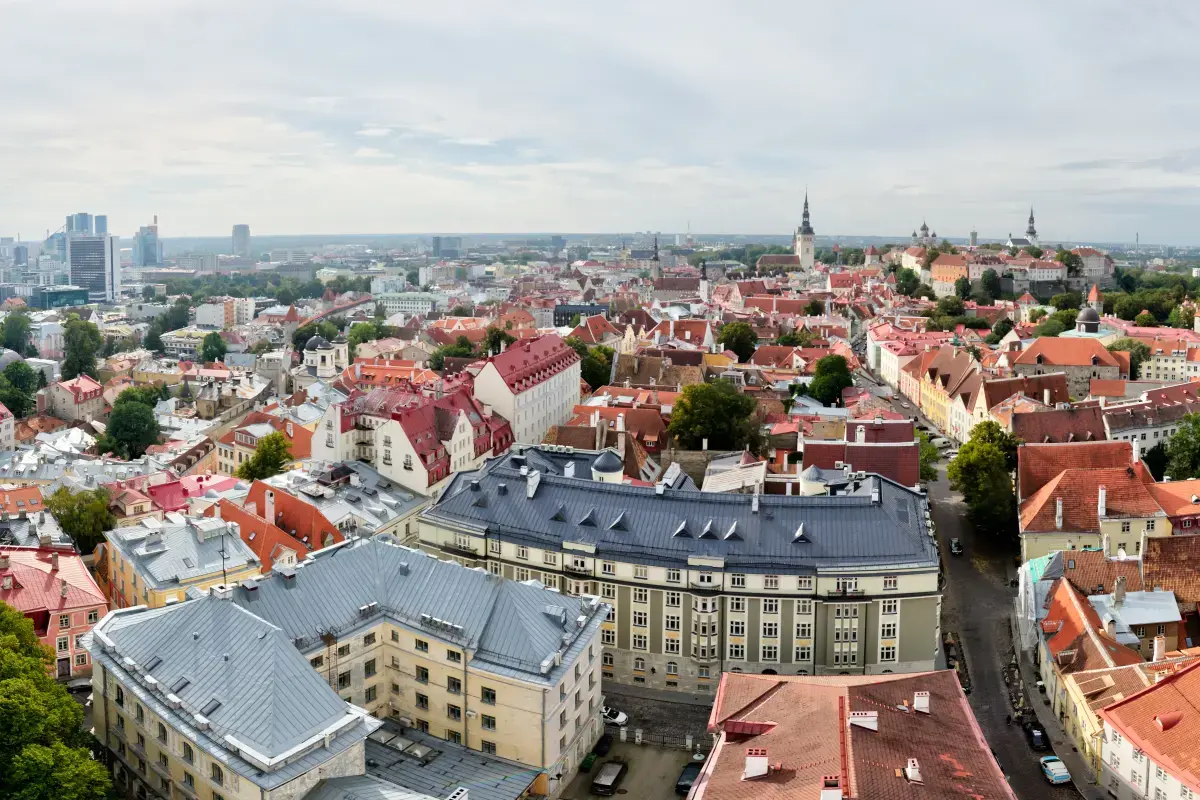
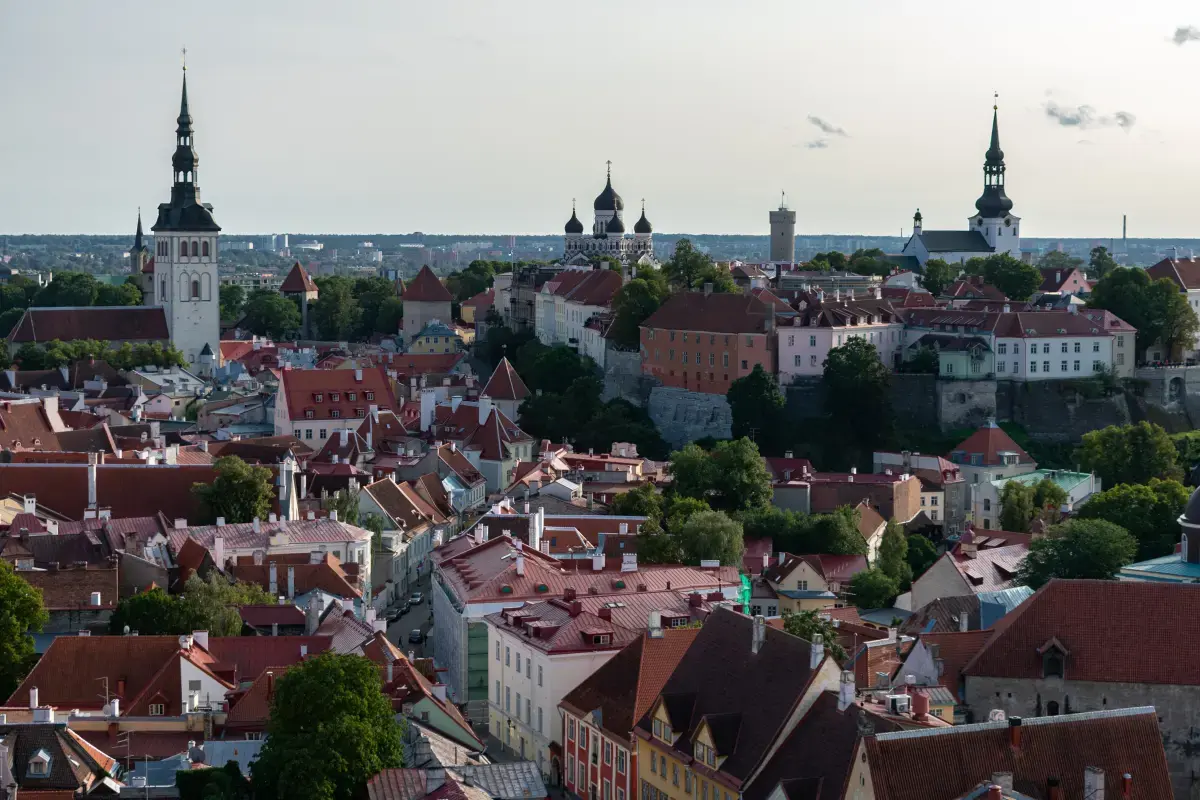
In 2026, Estonia exhibits distinct regional variations in its job market, reflecting diverse economic activities, infrastructure development, and demographic factors across different areas. Understanding these variations is crucial for crafting targeted policies that address the specific needs and challenges of each region. Urban areas, particularly the capital city, Tallinn, and other major cities, often experience higher job market activity compared to rural regions. Urban centers are hubs for technology, finance, and services industries, leading to increased employment opportunities. Rural areas may face challenges related to job availability and access to diverse industries, emphasizing the importance of regional development initiatives. Certain regions may specialize in specific industries, leading to concentrations of job opportunities in those sectors. For example, regions with a strong technology infrastructure may have a higher concentration of jobs in the tech sector, while areas with abundant natural resources may focus on agriculture or renewable energy. Recognizing and supporting these specialized clusters is vital for leveraging regional strengths and promoting balanced economic growth. Regional disparities in wages and employment opportunities highlight the need for targeted policies to address these imbalances. Efforts to promote regional development, such as infrastructure projects, investment incentives, and support for local businesses, can help bridge the gap between urban and rural areas. The presence of industrial clusters in certain regions contributes to regional economic dynamics. For example, the automotive industry is concentrated in specific areas, creating specialized job markets and opportunities for collaboration between businesses and educational institutions. Understanding these clusters can inform strategies for workforce development and economic planning. The government's commitment to fostering balanced regional development is evident in its strategic approach to regional policies. Collaboration between government agencies, industry stakeholders, and local communities is essential for creating a dynamic and resilient job market. By addressing key challenges and leveraging opportunities, Estonia aims to foster a vibrant and inclusive labor market that supports economic growth and prosperity.

Special Topics or Issues in Estonia's Job Market (2026):
Impact of Technological Advancements:
Technological advancements continue to shape Estonia's job market in 2026, presenting both opportunities and challenges. The integration of automation, artificial intelligence, and digitalization has led to increased demand for tech-related skills while transforming traditional job roles. Policymakers need to address potential job displacement by fostering reskilling initiatives and promoting a culture of lifelong learning to adapt to the evolving technological landscape. Estonia's job market is increasingly influenced by globalization, with businesses seeking international talent and markets. While this globalization can attract skilled professionals and foster economic growth, it also poses challenges such as increased competition for talent and potential brain drain. Policymakers need to balance the benefits of globalization with strategies to retain local talent and attract international professionals. The rise of remote work and hybrid work models is another key issue shaping Estonia's job market. The COVID-19 pandemic accelerated the adoption of remote work, and many companies continue to embrace flexible work arrangements. This shift presents opportunities for businesses to access a broader talent pool and reduce operational costs. However, it also raises challenges related to employee engagement, work-life balance, and cybersecurity. The emphasis on sustainability and environmental responsibility is another key issue shaping Estonia's job market. The transition to a green economy presents opportunities for job creation in renewable energy, sustainable agriculture, and eco-friendly manufacturing. However, it also requires strategic planning to ensure that the workforce is equipped with the skills needed for these emerging industries. The government's commitment to addressing these special topics is evident in its strategic approach to labor market policies, focusing on innovation, inclusivity, and sustainability. By addressing these key issues, Estonia aims to create a dynamic and competitive labor market that supports economic growth and prosperity.

Recommendations and Policy Implications:
Reskilling and Upskilling Initiatives:
- Recommendation: Implement comprehensive reskilling and upskilling programs to address the evolving demands of the job market, particularly in areas affected by technological advancements.
- Policy Implications: Collaborate with educational institutions, industry experts, and training providers to design programs that equip the workforce with in-demand skills. Offer financial incentives for individuals and businesses participating in reskilling initiatives.
Global Talent Retention and Attraction:
- Recommendation: Develop strategies to retain local talent and attract international professionals to contribute to Estonia's job market.
- Policy Implications: Introduce favorable immigration policies, support cultural integration initiatives, and enhance the quality of life to make Estonia an attractive destination for skilled professionals. Foster international collaborations to exchange knowledge and expertise.
Flexible Work Policies:
- Recommendation: Encourage the adoption of flexible work arrangements to enhance work-life balance and increase productivity.
- Policy Implications: Develop guidelines for remote work and hybrid work models, ensuring that businesses have the necessary infrastructure and support to implement these arrangements effectively. Address potential challenges related to cybersecurity and employee engagement.
Sustainability and Green Jobs:
- Recommendation: Promote the growth of green jobs and sustainable practices across industries to promote environmental responsibility and economic resilience.
- Policy Implications: Implement incentives for businesses to invest in renewable energy, sustainable agriculture, and eco-friendly manufacturing. Support research and development in green technologies to drive innovation and job creation.
Regional Development Strategies:
- Recommendation: Develop targeted policies to address regional disparities in employment, wages, and industry concentrations.
- Policy Implications: Support infrastructure projects, investment incentives, and local business development to create balanced economic growth across urban and rural areas. Encourage collaboration between government agencies, industry stakeholders, and local communities to leverage regional strengths and promote inclusive economic growth.
Overall, these recommendations and policy implications aim to create a more dynamic, competitive, and resilient job market in Estonia in 2026. By addressing key challenges and leveraging opportunities, stakeholders can foster a vibrant and inclusive labor market that supports economic growth and prosperity.