Humanoid Robot Co-Workers in 2026: What’s Real vs Hype
Are Humanoid Robots Actually Joining Your Office?
Humanoid robots at work are no longer pure sci-fi — pilots in factories, hospitals, and hospitality are live. But hype still runs ahead of day-to-day use for most teams. For software-side automation first, compare generative AI productivity and longer-term skill bets like smart manufacturing careers. This guide separates what humanoid co-workers can already do, where humans still win, and how to prepare skills and workplace design if robots join your floor.
How Humanoid Robots Reached the Workplace Floor
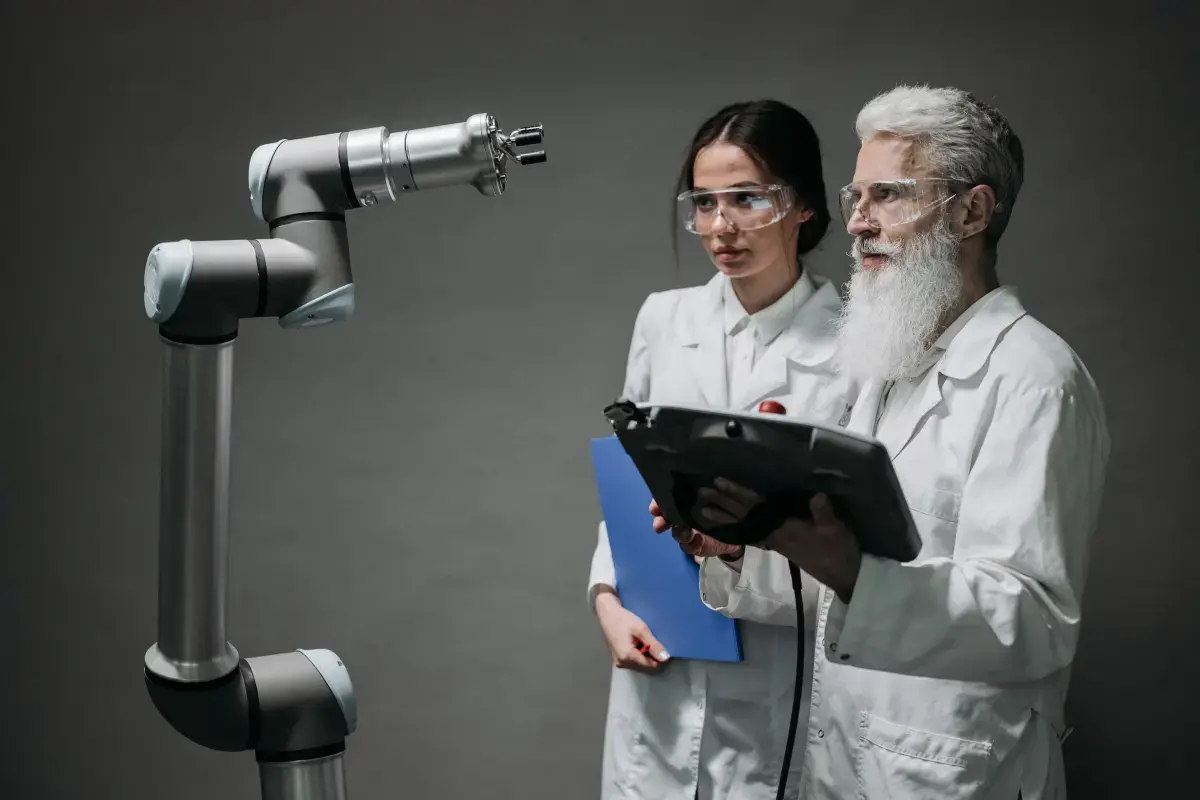
The integration of humanoid robots into our work environments is not a sudden leap but rather the culmination of decades of technological advancements in robotics, artificial intelligence, and human-computer interaction. These sophisticated machines, designed to mimic human form and behavior, are now poised to become our co-workers, assistants, and collaborators.
Key factors driving this trend include:
- Advancements in AI and machine learning, enabling robots to perform complex tasks and adapt to various situations
- Improvements in robotic design, creating more human-like appearances and movements
- The need for increased productivity and efficiency in various industries
- The potential for robots to handle dangerous or repetitive tasks, freeing humans for more creative and strategic work
As these technologies continue to evolve, we're witnessing the dawn of a new era where humans and humanoid robots work side by side, each leveraging their unique strengths to create a more efficient and productive work environment.

Real Advantages of Human–Robot Co-Work
The integration of humanoid robots into our workspaces offers a multitude of potential benefits:
- Enhanced Productivity: Humanoid robots can work tirelessly, performing repetitive tasks with precision and speed, allowing human workers to focus on more complex, creative, and strategic activities.
- Improved Safety: In hazardous work environments, humanoid robots can take on dangerous tasks, significantly reducing the risk of workplace accidents and injuries.
- 24/7 Availability: Unlike human workers, robots don't require sleep or breaks, enabling round-the-clock operations in industries that demand continuous productivity.
- Consistent Quality: Programmed for precision, humanoid robots can maintain a high level of quality in their work output, reducing errors and inconsistencies.
- Cost Efficiency: While the initial investment may be substantial, the long-term cost savings in labor, reduced errors, and increased productivity can be significant.
- Scalability: Robotic workforces can be easily scaled up or down based on demand, providing businesses with greater flexibility.
- Data Collection and Analysis: Equipped with advanced sensors and AI, humanoid robots can collect and analyze vast amounts of data, providing valuable insights for process improvement and decision-making.
These advantages highlight the transformative potential of humanoid robots in our workplaces, promising a future of enhanced efficiency and productivity.

Safety, Trust, and Cost Barriers Still in the Way
While the prospects of co-working with humanoid robots are exciting, this technological shift also brings forth several challenges and concerns that need to be addressed:
- Job Displacement: One of the primary concerns is the potential loss of jobs as robots take over certain roles. This raises questions about the need for reskilling and upskilling the human workforce.
- Ethical Considerations: The increasing presence of humanoid robots in the workplace raises ethical questions about the extent of their decision-making authority and the potential for bias in their programming.
- Privacy and Data Security: With robots collecting and processing vast amounts of data, ensuring the privacy and security of sensitive information becomes crucial.
- Human-Robot Interaction: Developing natural and effective ways for humans to interact with humanoid robots remains a challenge, particularly in complex social situations.
- Technological Limitations: Despite rapid advancements, humanoid robots still have limitations in terms of adaptability, emotional intelligence, and handling unexpected situations.
- Cost of Implementation: The initial investment required for integrating humanoid robots into the workplace can be substantial, potentially limiting adoption to larger corporations.
- Maintenance and Upgrades: Regular maintenance, updates, and potential repairs for humanoid robots can be complex and costly.
- Regulatory Framework: As this technology evolves, there's a need for comprehensive regulations governing the use of humanoid robots in various industries.
Addressing these challenges will be crucial for the successful integration of humanoid robots into our work environments.

Industries Leading Humanoid Robot Deployment
While the potential applications of humanoid robots in the workplace are vast, certain industries are at the forefront of this technological revolution:
- Manufacturing: Humanoid robots are increasingly being used in assembly lines, working alongside humans in tasks requiring precision and consistency.
- Healthcare: From assisting in surgeries to providing care for the elderly, humanoid robots are finding various applications in the healthcare sector.
- Hospitality: Hotels and restaurants are experimenting with humanoid robots for customer service, concierge duties, and even food preparation.
- Retail: Humanoid robots are being deployed as shopping assistants, providing product information and guiding customers through stores.
- Education: In educational settings, humanoid robots are being used as teaching assistants, language tutors, and for special needs education.
- Customer Service: Call centers and customer service departments are exploring the use of humanoid robots for handling routine inquiries and providing 24/7 support.
- Space Exploration: NASA and other space agencies are developing humanoid robots for space missions, capable of performing tasks in environments too dangerous for humans.
These industries are paving the way for wider adoption of humanoid robots in various work environments, showcasing their versatility and potential impact.

The Human Factor: Adapting to Robot Co-Workers
As humanoid robots become more prevalent in our workplaces, the human workforce will need to adapt to this new reality. This adaptation process involves several key aspects:
- Skill Development: Humans will need to focus on developing skills that complement robotic capabilities, such as critical thinking, creativity, emotional intelligence, and complex problem-solving.
- Embracing Collaboration: Learning to work effectively alongside robotic co-workers will be crucial. This includes understanding their capabilities, limitations, and how to best leverage their strengths.
- Overcoming Fear and Resistance: There may be initial resistance or fear towards working with humanoid robots. Education and gradual integration can help alleviate these concerns.
- Redefining Roles: As robots take over certain tasks, human roles will evolve. This may lead to the creation of new job categories focused on managing and maintaining robotic systems.
- Ethical Considerations: Humans will need to grapple with ethical questions surrounding the use of humanoid robots, including issues of privacy, decision-making authority, and the broader societal impact.
- Continuous Learning: The rapid pace of technological advancement means that humans will need to commit to lifelong learning to stay relevant in a robot-integrated workplace.
Successfully navigating these changes will be key to creating harmonious and productive human-robot work environments.
Designing the Co-Working Space of the Future
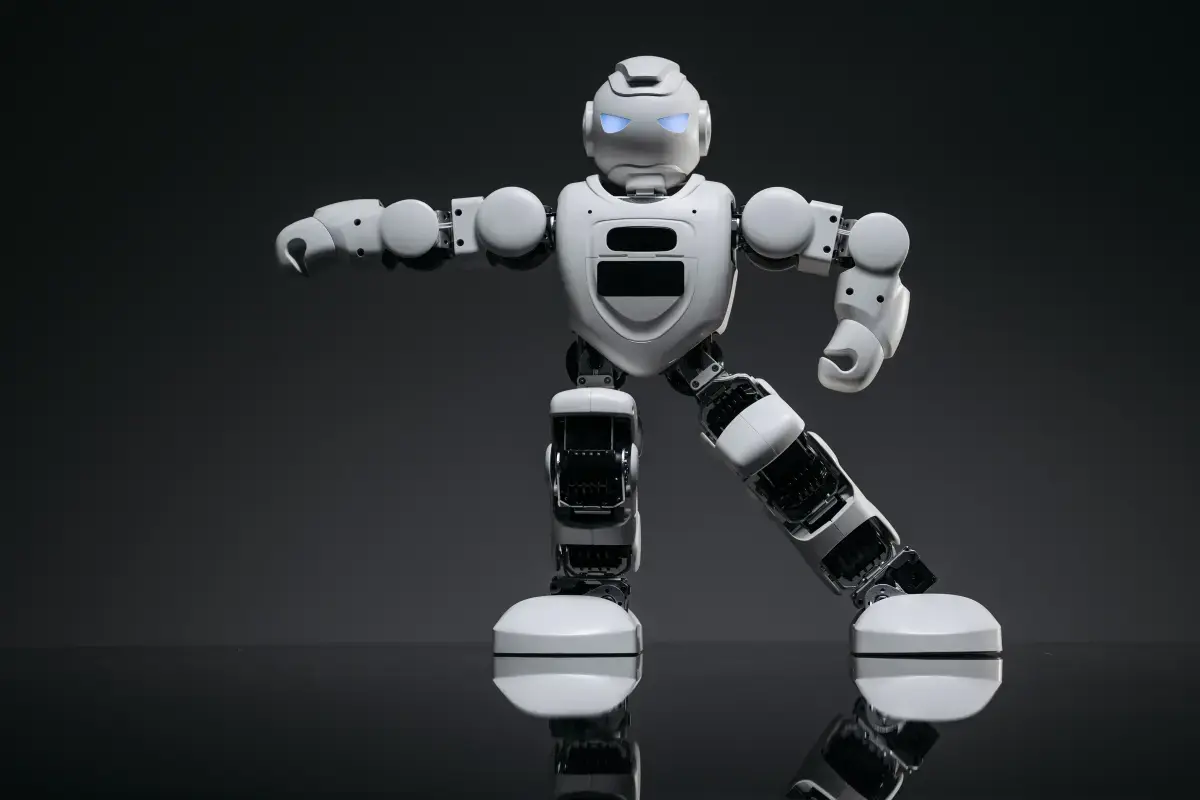
As we integrate humanoid robots into our workplaces, the physical design of our work environments will need to evolve. Here are some considerations for creating effective co-working spaces for humans and robots:
- Flexible Layouts: Workspaces will need to be adaptable to accommodate both human and robotic workers, with areas designed for collaboration and individual work.
- Safety Features: Incorporating safety measures to ensure human workers are protected when working in close proximity to robots.
- Charging Stations: Designated areas for robots to recharge and undergo maintenance without disrupting workflow.
- Human-Robot Interaction Zones: Spaces specifically designed to facilitate effective communication and collaboration between humans and robots.
- Technology Integration: Advanced connectivity and IoT infrastructure to support the data needs of both human and robotic workers.
- Ergonomic Considerations: Ensuring that the workspace remains comfortable and efficient for human workers while accommodating robotic co-workers.
- Privacy Areas: Designated spaces for confidential human interactions and tasks that require a human-only environment.
These design considerations will be crucial in creating workspaces that maximize the benefits of human-robot collaboration while ensuring comfort and productivity for all workers.

The Role of Artificial Intelligence
Artificial Intelligence (AI) plays a crucial role in enabling effective co-working between humans and humanoid robots. Here's how AI is shaping this interaction:
- Natural Language Processing: AI-powered language understanding allows humanoid robots to communicate more naturally with their human co-workers.
- Machine Learning: Robots can learn from their interactions and experiences, continuously improving their performance and adaptability.
- Predictive Analytics: AI can help robots anticipate needs and potential issues in the workplace, enhancing efficiency and safety.
- Emotion Recognition: Advanced AI is enabling robots to recognize and respond to human emotions, improving human-robot interactions.
- Task Optimization: AI algorithms can efficiently allocate tasks between human and robot workers, maximizing productivity.
- Decision Support: AI can provide data-driven insights to support decision-making processes for both human and robot workers.
- Adaptive Behavior: AI enables robots to adjust their behavior based on the specific needs and preferences of their human co-workers.
As AI continues to advance, we can expect even more sophisticated and seamless interactions between humans and humanoid robots in the workplace.

Legal and Regulatory Considerations
The integration of humanoid robots into the workplace raises numerous legal and regulatory questions that need to be addressed:
- Liability: Determining responsibility in case of accidents or errors involving humanoid robots.
- Labor Laws: Adapting existing labor laws to account for robot workers and their impact on human employment.
- Data Protection: Ensuring compliance with data privacy regulations, especially concerning information collected by robots.
- Safety Standards: Developing and enforcing safety standards for human-robot co-working environments.
- Ethical Guidelines: Establishing ethical guidelines for the development and use of humanoid robots in the workplace.
- Intellectual Property: Addressing questions of ownership for innovations or creations involving robot collaborators.
- Robot Rights: As AI becomes more advanced, there may be discussions about the legal status and potential rights of highly autonomous robots.
Policymakers, legal experts, and industry leaders will need to work together to create a comprehensive regulatory framework that addresses these complex issues.

Economic Impact and Job Market Transformation
The widespread adoption of humanoid robots in the workplace will have significant economic implications and transform the job market:
- Job Displacement: Some jobs may be automated, potentially leading to unemployment in certain sectors.
- New Job Creation: New roles will emerge, focused on developing, maintaining, and managing robotic systems.
- Skill Shift: The demand for technical skills related to robotics and AI will increase, while the value of uniquely human skills like creativity and emotional intelligence will be emphasized.
- Productivity Gains: Increased efficiency and productivity could lead to economic growth and potentially shorter work weeks for humans.
- Income Inequality: There's potential for widening income gaps between those who can adapt to the new economy and those who can't.
- Business Models: Companies may need to rethink their business models and workforce structures to remain competitive.
- Education and Training: There will be an increased need for continuous education and reskilling programs to help workers adapt to the changing job market.
Navigating these economic changes will require proactive policies and strategies to ensure a smooth transition and equitable distribution of benefits.

Psychological and Social Implications
Co-working with humanoid robots will have profound psychological and social implications for human workers:
- Human Identity: As robots take on more human-like roles, it may challenge our understanding of what it means to be human in the workplace.
- Social Dynamics: The introduction of robot co-workers will alter workplace social structures and interactions.
- Emotional Connections: Some individuals may form emotional attachments to their robot colleagues, raising questions about the nature of workplace relationships.
- Stress and Anxiety: The pressure to compete with or adapt to robot co-workers may lead to increased stress and anxiety for some employees.
- Job Satisfaction: While robots may take over mundane tasks, this could lead to more fulfilling work for humans, potentially increasing job satisfaction.
- Work-Life Balance: The constant presence of tireless robot workers might put pressure on humans to match their productivity, affecting work-life balance.
- Cultural Shifts: Workplace culture will need to evolve to incorporate both human and robot workers effectively.
Understanding and addressing these psychological and social factors will be crucial for creating harmonious human-robot work environments.

Future Trends and Predictions
As we look to the future of co-working with humanoid robots, several trends and predictions emerge:
- Increased Autonomy: Future generations of humanoid robots are likely to have greater autonomy and decision-making capabilities.
- Emotional AI: Advancements in emotional AI may lead to robots that can better understand and respond to human emotions.
- Customizable Robots: We may see the development of modular robots that can be customized for specific tasks or industries.
- Brain-Computer Interfaces: Direct neural interfaces could allow for more intuitive control and communication with robotic co-workers.
- Nano-robotics: The integration of nano-scale robots could lead to new forms of human-robot collaboration at a cellular level.
- Global Collaboration: Humanoid robots could facilitate seamless collaboration between geographically dispersed teams.
- Augmented Humans: The line between human and robot workers may blur with the development of robotic augmentations for human workers.
These trends suggest a future where the boundaries between human and robot capabilities continue to evolve, leading to new forms of collaboration and productivity.

Case Studies: Successful Human-Robot Collaborations
Examining real-world examples of successful human-robot collaborations can provide valuable insights:
- Automotive Manufacturing: Companies like BMW have integrated humanoid robots into their assembly lines, working alongside humans to improve efficiency and ergonomics.
- Healthcare: In Japan, hospitals have successfully used humanoid robots to assist nurses with patient care and logistics.
- Retail: SoftBank's Pepper robot has been deployed in retail environments to greet customers and provide information, enhancing the shopping experience.
- Education: Humanoid robots have been used effectively in special needs education, helping children with autism develop social skills.
- Space Exploration: NASA's Robonaut 2 has demonstrated successful collaboration with astronauts on the International Space Station.
- Hospitality: Hotels in Japan have experimented with humanoid robot staff, handling tasks from check-in to room service.
- Research and Development: Laboratories are using humanoid robots to assist in conducting experiments, particularly in hazardous environments.
These case studies demonstrate the diverse applications and potential benefits of human-robot collaboration across various industries.

Preparing for a Future with Robot Co-Workers
As we move towards a future where co-working with humanoid robots becomes commonplace, individuals and organizations need to prepare:
- Education and Training: Invest in developing skills that complement robotic capabilities, such as critical thinking, creativity, and emotional intelligence.
- Adaptability: Cultivate a mindset of flexibility and continuous learning to adapt to rapidly changing work environments.
- Technical Literacy: Develop a basic understanding of robotics and AI to better collaborate with and manage robotic co-workers.
- Ethical Considerations: Engage in discussions about the ethical implications of human-robot collaboration and help shape responsible practices.
- Workplace Culture: Foster a culture that embraces technological change while prioritizing human well-being and job satisfaction.
- Policy Engagement: Participate in policy discussions to ensure that the integration of robots into the workplace is done in a way that benefits society as a whole.
- Entrepreneurship: Look for opportunities to innovate and create new business models that leverage human-robot collaboration.
By proactively preparing for this technological shift, we can help ensure a smooth transition to a future where humans and robots work together effectively and harmoniously.

Conclusion: Embracing the Collaborative Future
As we stand on the brink of this new era of human-robot collaboration, it's clear that the integration of humanoid robots into our workplaces will bring both exciting opportunities and significant challenges. The potential for increased productivity, enhanced safety, and new forms of innovation is immense. However, we must also navigate the complex social, ethical, and economic implications of this technological shift.
The key to success in this new landscape will be our ability to leverage the unique strengths of both humans and robots. While robots excel at tasks requiring precision, consistency, and tireless effort, humans bring creativity, emotional intelligence, and complex problem-solving skills to the table. By fostering effective collaboration between human and robot workers, we can create work environments that are not only more productive but also more fulfilling for human employees.
As we move forward, it's crucial that we approach this transition thoughtfully and responsibly. This means investing in education and training to prepare the workforce for this new reality, developing comprehensive regulatory frameworks to address the legal and ethical challenges, and fostering a culture of innovation and adaptability.
Ultimately, the successful integration of humanoid robots into our workplaces will depend on our ability to see them not as replacements for human workers, but as collaborative tools that can enhance our capabilities and free us to focus on uniquely human contributions. By embracing this perspective, we can work towards a future where humans and robots work side by side, each leveraging their strengths to create more efficient, productive, and innovative workplaces.
The era of co-working with humanoid robots is just beginning, and the possibilities are boundless. As we embark on this journey, let us approach it with optimism, creativity, and a commitment to shaping a future that benefits all of humanity.

Related Articles






Gigs
Jobs
 Remote
  Cleaning Service Plano T
  Sterkrade-Mitte, Oberhausen, Nordrhein-Westfalen, Deutschland. Oberhausen
 141 North Fairfax Avenue Los Angeles
 Bulgaria
 Malta
Malta