
- Anesthesiologist
- Obstetrician and Gynecologist
- Psychiatrists
- Surgeons
- General Internal Medicine
- Physicians
- Ophthalmologists
- Orthodontist
- Product Manager
- Artificial Intelligence & Machine Learning (AI/ML) Engineer
- Full-Stack Developer
- Cloud Architect
- DevOps Engineer
- Blockchain Engineer
- Software Architect
- Big Data Engineer
- Internet of Things (IoT) Solutions Architect
- Data Scientist
- Cyber Security Architect
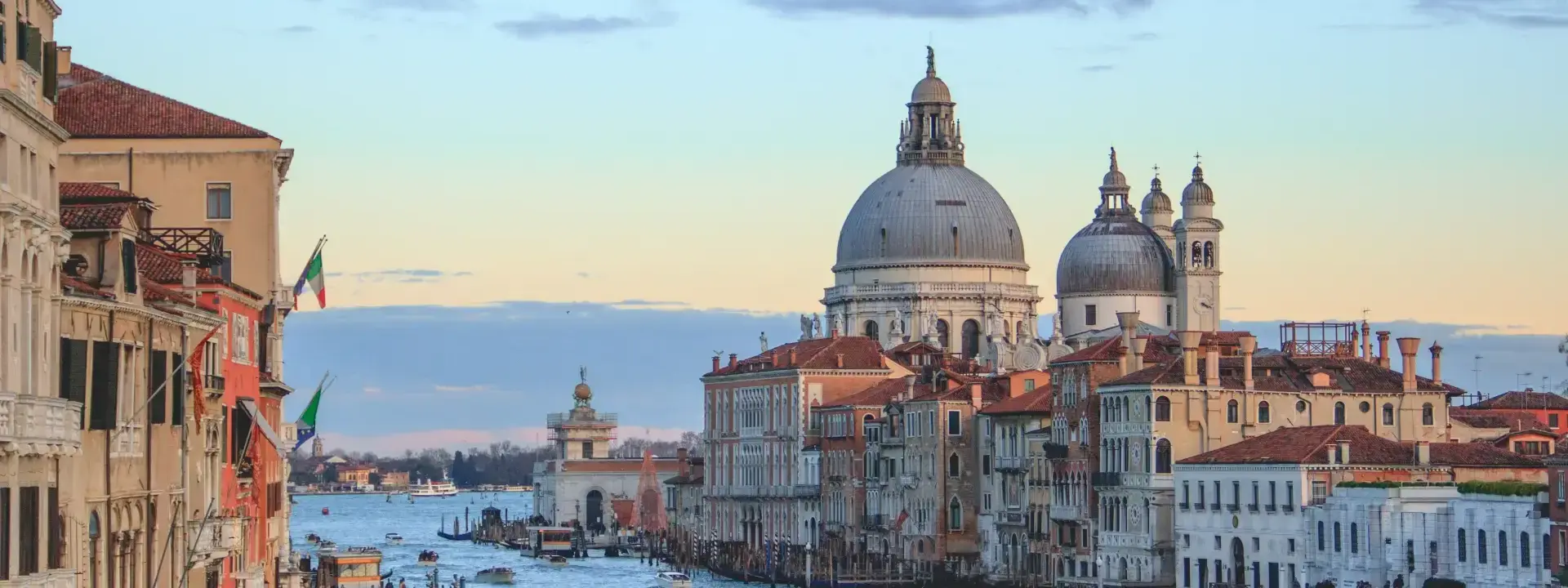
Moving to Italy in 2026
Step by step guide on migrating and relocating to Italy in 2026?
Use our Guide to find all the moving information you may need if you are thinking of moving or working in Italy.
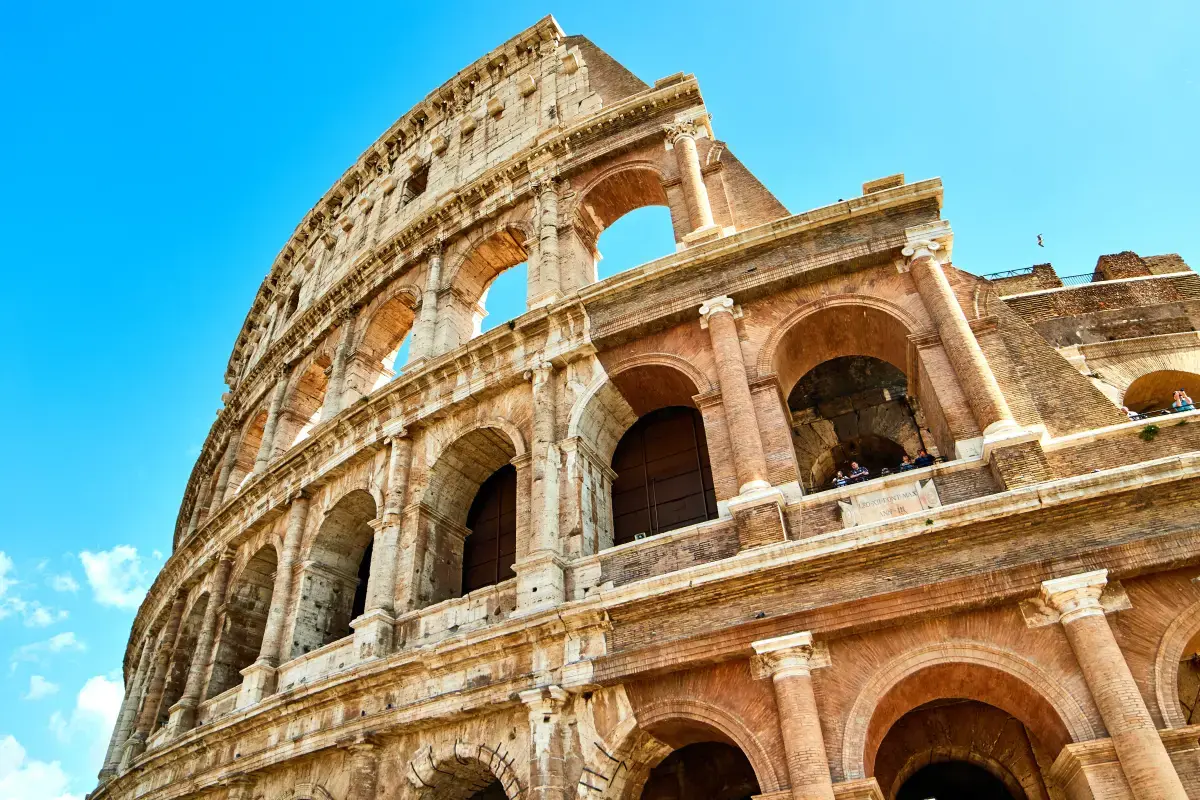
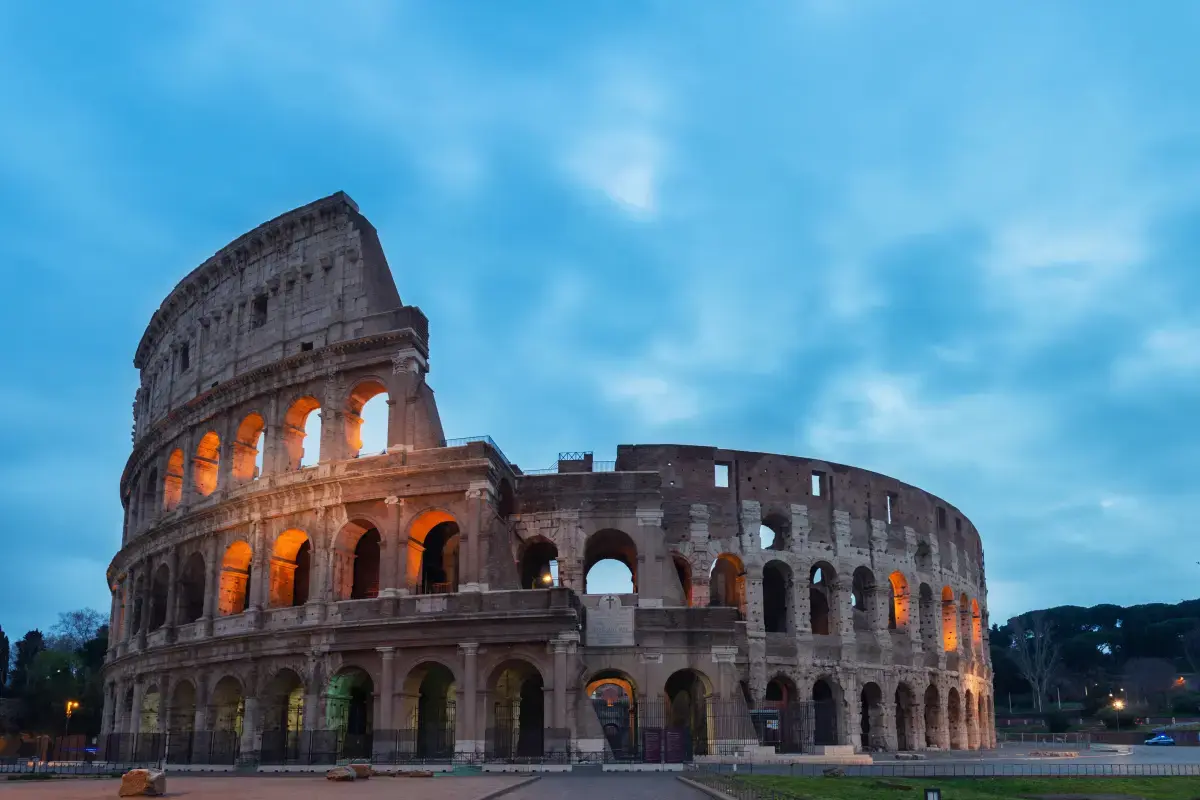
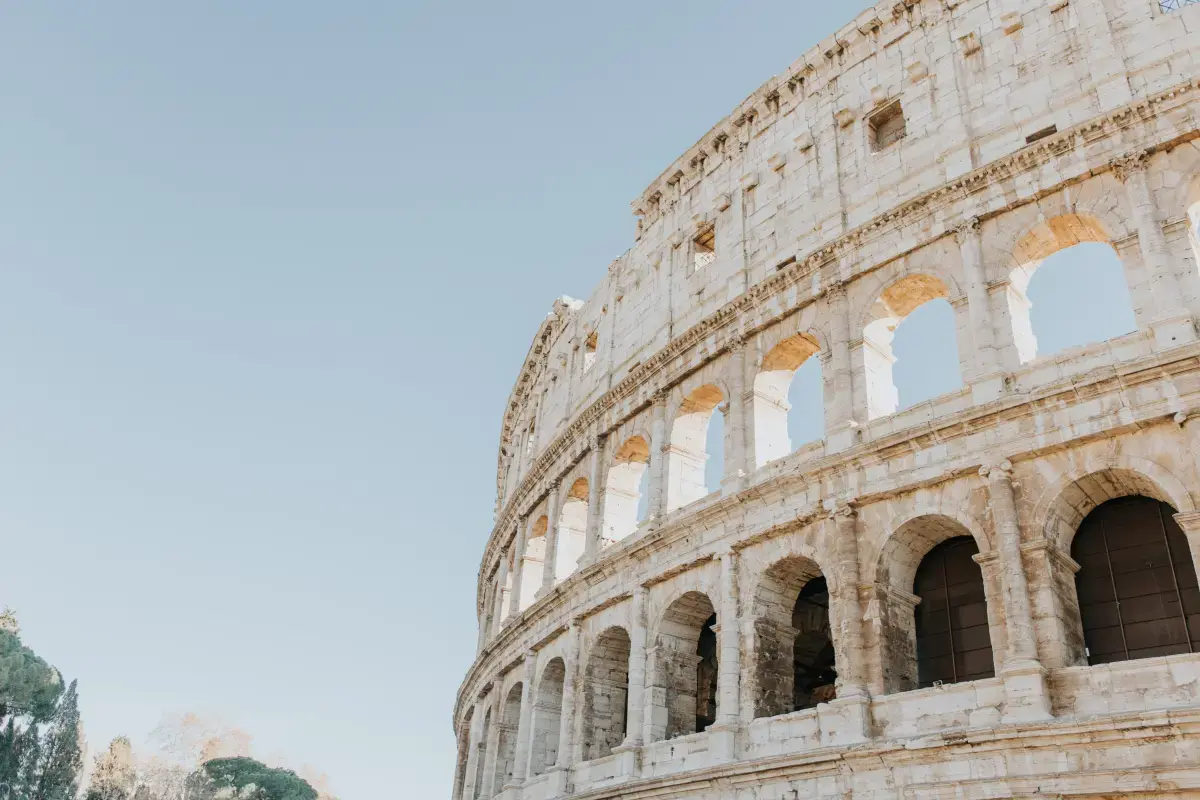
People move to Italy for several reasons, including its culture, climate, cuisine, and cost of living. Italys rich culture, dating back to ancient times, is admired around the world, and Italy is renowned for its fashion, art, and architectural landmarks, such as the Colosseum and Duomo di Milano. Italys temperate climate ensures year-round enjoyable weather, and the country is home to some of the worlds best cuisines, from pizza and pasta to renowned wines and traditional dishes like risotto and ossobuco. The cost of living in Italy is quite reasonable considering its location within the Mediterranean and its thriving economy. Additionally, the cultural, social, and economic benefits of membership in the European Union give Italy an edge over other Mediterranean countries. Italys strong cultural heritage, vibrant culture, mild climate, world-renowned cuisine, and relatively low-cost of living are all factors that draw people from around the world to relocate and make Italy their home. Others may choose to relocate to Italy because of family, job opportunities, or quality of life. Italy has a strong network of schools at all levels, ranging from kindergarten up to universities, so if you’re looking to further your studies, Italy offers a great education system. Additionally, Italy is home to many large companies – such as FIAT, Eni, and Enel – that offer a variety of job opportunities for those willing to relocate for work. The country also offers many tax incentives for citizens and will even help recent migrants find housing, making it a great option for those looking to start a new life in a new country. Plus, unlike some other European countries, Italy is a popular immigration destination since it doesn’t have laws that are overly hostile to immigration. Migrants are welcomed in the country, so long as they are holding a valid work or residence permit. Finally, the people in Italy are known to be warm and welcoming, which can certainly draw in those looking for a more relaxed lifestyle. All in all, it’s easy to see why Italy is such a popular destination for those looking to relocate.
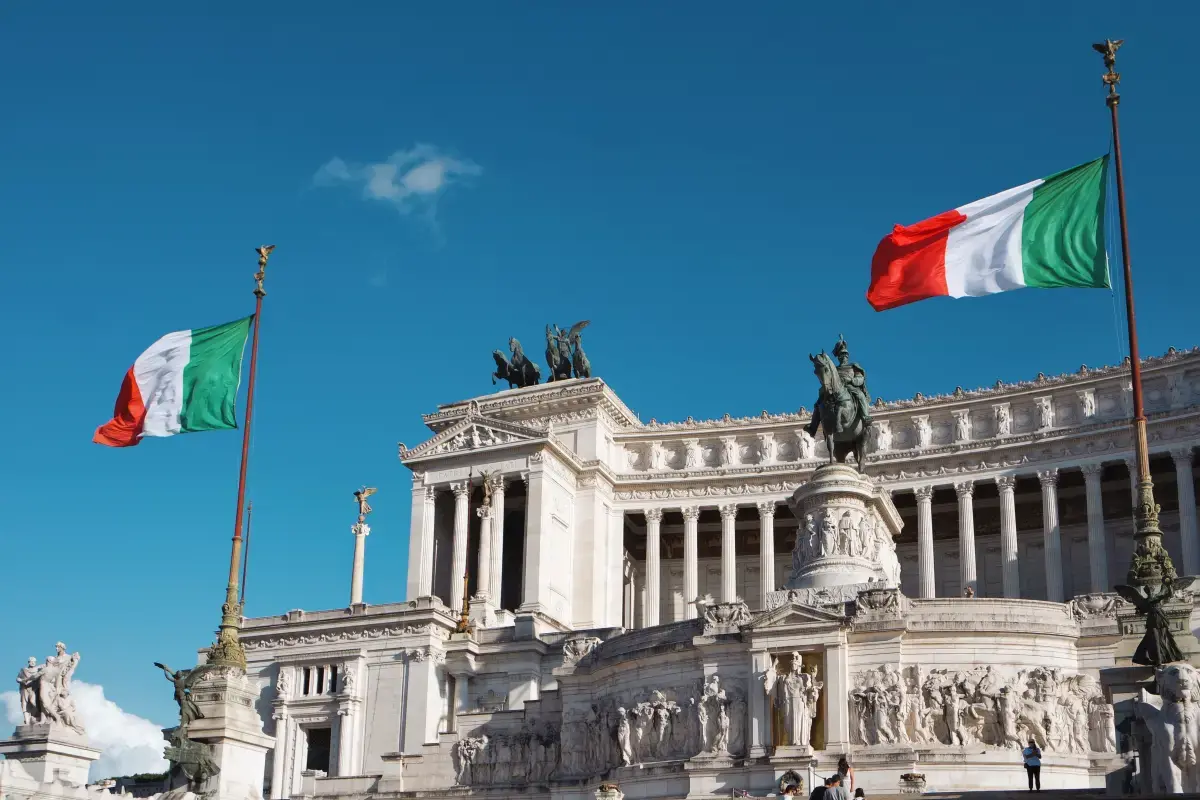
Cost of Moving to Italy
1. Visa Costs: Depending on the purpose of your move, you may need to apply for a visa, which can cost over €100. If you plan to study, work, or stay for longer than three months, youll need a long-term visa. For those that plan to stay for few weeks or less, an airport transit visa will do. 2. Relocation Costs: Depending on the distance of your move, relocation costs may range from a few hundred to several thousand euros. Depending on whether you decide to rent or buy a property, youll also have to pay for renting/buying, movers, and furniture. 3. Real Estate Taxes: Italy requires everyone buying a home to pay 2% - 7% of its value in taxes. Depending on the propertys value, you can expect to pay several thousands of euros in taxes. Those who opt for renting a property will need to pay for their month-to-month rent, which can range from €500-2000. 4. Utility Costs: Most rental properties come with an upfront cost for gas, electricity, water, and internet setup. To avoid large upfront costs, you can opt to pay for utilities on a month-to-month basis. 5. Insurance Costs: Besides getting an insurance policy with coverage for your health and possessions, youll also need to purchase vehicle insurance which will cost around €200-400. 6. Additional Moving Costs: Other factors such as food, transportation, or language classes will add to your moving expenses. Depending on your lifestyle, your moving costs can add up to over €10,000.
Best Jobs in Italy
The most popular jobs for migrants moving to Italy are those in the hospitality, retail, manufacturing, and construction industries. These positions offer competitive salaries and provide the opportunity to work in an exciting and culturally diverse environment. Hospitality: The hospitality industry is one of the most popular destinations for migrant workers in Italy. Jobs in this sector can range from waitstaff, kitchen staff, and housekeeping to concierge, receptionists and customer service staff. Salary ranges vary, but can go up to €2,000 (US$2,290) per month for experienced staff. Retail: The retail industry is also a popular destination for migrant workers in Italy. Most positions require customer service skills, such as assisting customers with purchases, arranging displays, and helping out with promotions and advertisement. Average salaries for these jobs can range from €800 (US$918) to €1,500 (US$1,732) a month. Manufacturing: The manufacturing sector is one of the largest employers of migrant labor in Italy. These positions require laborers to operate tools or complex machinery and to work in hazardous or dangerous environments. The monthly salary for these positions can vary greatly, with salaries ranging from €700 (US$808) to €2,000 (US$2,290) per month, depending on experience. Construction: Construction is another popular industry for migrant workers in Italy, as it provides a great opportunity to develop a trade craft and work in an exciting and demanding environment. Monthly salaries in this sector can range from €800 (US$918) to €2,500 (US$2,866) per month, depending on experience and qualifications. Overall, the salaries for most of the jobs for migrant workers in Italy are competitive and offer the opportunity to live and work in a culturally diverse environment. As such, many migrants opt to take these positions in order to establish a secure life in Italy while earning enough to support themselves and their families.
Weather in Italy
Italy is a large country situated in the Mediterranean Sea, and it is known for its diverse climate and weather conditions. It is located on the Italian peninsula, with its northern border on the Alps mountain range, and the valley of the Po river running through the center of the country. It enjoys a temperate climate, with mild winters and warm summers. Spring in Italy is usually mild, but there can be some big temperature differences from the south to the north of the country. Temperatures range from 10-15°C in the north of the country, to 15-20°C in the south. This is the season of new beginnings and is a wonderful time to visit the outdoor markets, churches and the beautiful scenery of the countryside. Summer in Italy is usually warm and humid, with high temperatures ranging from 25-30°C in the north and 30-35°C in the south. This is a great time to visit the beach, as well as the many sites around the country that raise the bar on Italy’s unique and varied cultural and historic offering. Autumn in Italy also has a diverse range of temperatures, due to the mountain ranges. Temperatures usually range from 10-20°C in the north, and 20-25°C in the south. This season offers great colors and striking weather, particularly in the mountainous areas. Winter in Italy is quite mild and dry, with temperatures ranging between 0-10°C in the north and 10-15°C in the south. Snow is seen in the Alpine regions, and storms can bring heavy rain and snow to the south. This is a great season for skiing, snowboarding, and other winter sports activities.
Tax & Welfare System in Italy
The tax system and social welfare system in Italy are both very comprehensive systems. Tax System: The Italian tax system is based on the principle of progressive taxation. This means that the more an individual earns, the more they are liable to pay in taxes. Individuals are obligated to pay income and property taxes as well as a value-added tax called the IVA. Taxes at the regional level can also apply. Income taxes vary by region and are determined by an individual’s income and personal status. Individuals earning more than €77,495 per year are subject to an additional “IRES” flat tax, which is about 27 percent of their income. The highest marginal tax rate is 43 percent for an income greater than €230,000. Property taxes depend on the location and type of property being taxed. Businesses are required to pay taxes such as corporate income tax and real estate registration tax. The IVA is a value added tax, which is applicable on all goods and services purchased. The current rate is 22 percent, but it can range from 4 to 26 percent. Social Welfare System: The Italian social welfare system is designed to provide assistance to those in need. The system is made up of several programs, including death indemnities, (Inps pensions), maternity benefits, unemployment benefits, social assistance, family allowances, and disability benefits. Maternity benefits are available to both employed and unemployed mothers. This includes a basic monthly benefit, childbirth allowance, and up to 70 days of maternity leave. Unemployment benefits are provided to individuals who have lost their job due to circumstances such as illness, forced redundancies, or pregnancy. The benefit is equal to up to two thirds of the individual’s prior wage and is paid for a maximum of 24 months. Social assistance is available to individuals who are in need of assistance due to their low income or other particular situations. This covers basic necessities such as food and housing. Family allowances are benefits provided to families with children up to the age of 18. This includes a basic allowance, as well as additional payments depending on income levels. Disability benefits are available to those who are unable to work due to a disability. This includes a basic benefit, as well as additional providence for those with severe disabilities. Overall, the Italian tax and social welfare system is comprehensive and provides assistance to those in need.
Holidays in Italy
Italy has several public holidays and most are celebrated throughout the country. The most important of which are the following: 1. New Year’s Day (January 1). As most of the world, Italy celebrates the beginning of the New Year. People usually spend the day with family and friends, going out to eat, having parties and enjoying special treats. In addition to this, it is traditional to set off fireworks and make a toast to a better year. 2. Epiphany (January 6). This is the day that marks the arrival of the three kings in Bethlehem and is an important day in all parts of Italy. It is celebrated by exchanging presents and having festive meals. On the night before Epiphany a bonfire is lit and special prayers are said. 3. Easter (dates vary). This is a day of celebration and rejoicing for many religious Italians, who celebrate the resurrection of Jesus with prayer, feasting and egg hunts. It is a great time to reconnect with family and friends and enjoy traditional Italian cuisine. 4. Liberation Day (April 25). This is a day to commemorate the end of World War II and the liberation of Italy from Nazi occupation. This is an important day for Italian culture and many people gather around monuments to display their pride. 5. Labor Day (May 1). This day is celebrated in all parts of Italy much like it is elsewhere in the world. Whether you’re out in the city or in a small town, the day is honored with parades, music, and speeches. 6. Republic Day (June 2). This public holiday celebrates the anniversary of the formation of the Italian Republic in 1946. This is a day of national pride and it is celebrated with festivals, parades, and fireworks. 7. All Saints Day (November 1). This holiday honors all of the saints throughout history and is widely celebrated in all parts of Italy. On this day, many people visit cemeteries to visit the graves of passed away loved ones. 8. Christmas Day (December 25). On this day, Italians celebrate the birth of Jesus. Many Italians will celebrate by attending Mass, spending the day with family, decorating Christmas trees and exchanging gifts.
Where to Live in Italy
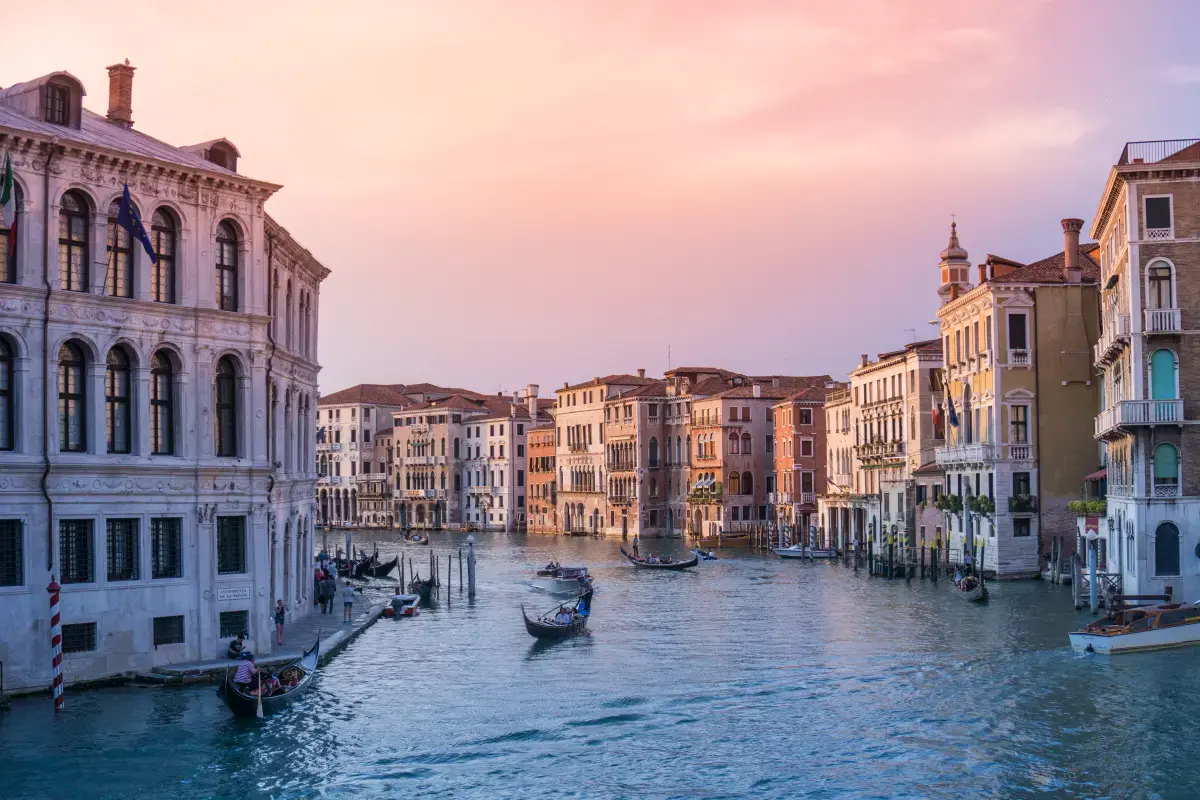
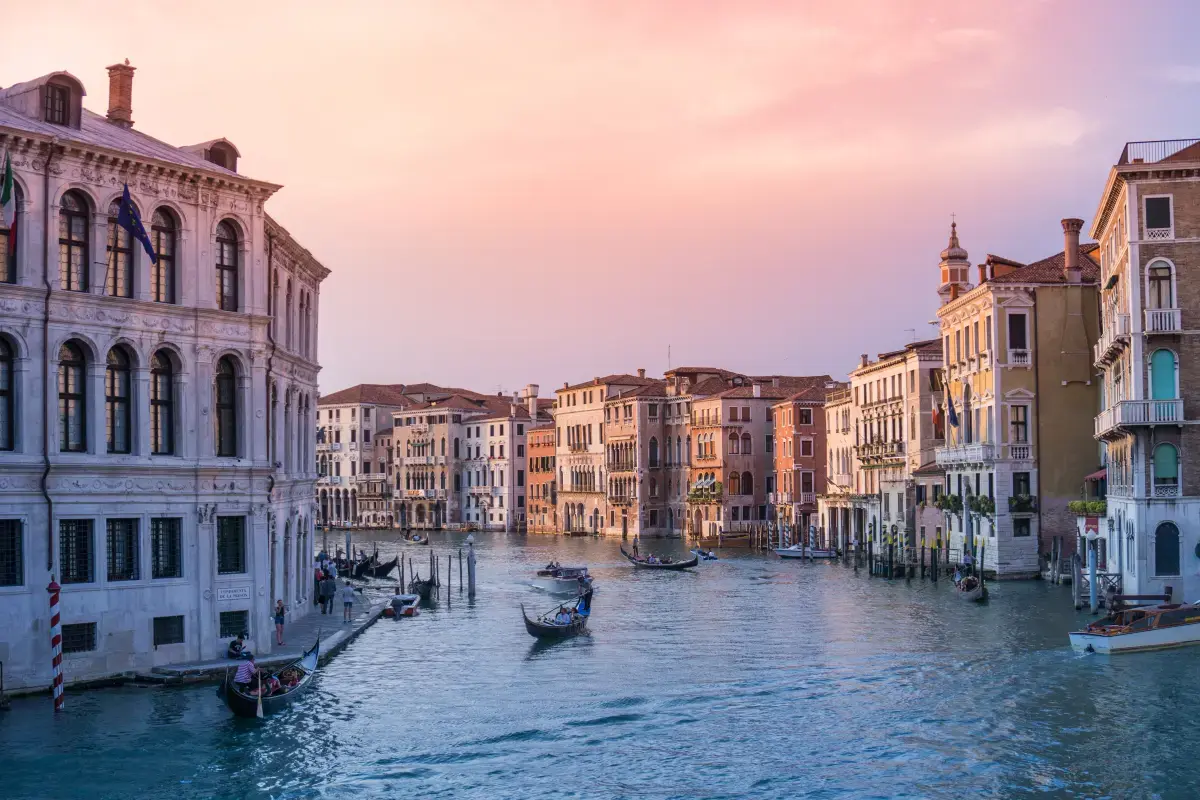
Italy is a densely populated country, located in Southern Europe, with a population of around 60 million people. The majority of jobs in Italy are found in two primary areas: Northern Italy, located around the Alps and the Po Valley; and Central Italy, located between Rome and Naples. In Northern Italy, the most densely populated areas are Lombardy and Piedmont, which have the highest population densities in the country. Other densely populated areas include Emilia-Romagna, Veneto, and the Trentino-Alto Adige region. The majority of jobs in Northern Italy are found in the four largest cities: Milan, Turin, Venice, and Genoa. These cities, along with some of the smaller industrial cities located in the area, are the primary job markets in the region. In Central Italy, the most densely populated areas are Lazio, Campania, and Abruzzo. Rome, Naples and the region of Campania are the main centers for employment, along with the cities of Florence, Bologna, Trento, Arezzo, and Perugia. These cities are home to many international corporations and a variety of industries, including manufacturing, finance and services. Finally, in Southern Italy, the most densely populated cities are located around Palermo and Catania in Sicily, as well as around Salerno and Bari in Puglia. This area is home to many industries, such as agriculture, fishing and textiles. It is also an important area for tourism and manufacturing.
Sports & Recreation in Italy
Italy is well known for its passion for sports, and many popular sports and recreational activities can be found throughout the country. Soccer (calcio) is widely regarded as the most popular sport in Italy, with millions of passionate fans. Italy has produced some of the greatest players the world has ever seen, and the sport has had a major influence on Italian culture. Other popular sports in Italy include cycling, basketball, volleyball, rugby and golf. Ice hockey, handball, motor sports and rock climbing have also gained in popularity in recent years. Skiing is also very popular, with a number of resorts offering some of the best skiing in the world. Italy is also home to a number of professional and amateur golf courses, and many of them are highly rated by golfers from around the world. In addition to team sports, Italy is also home to a number of recreational activities. Hiking, camping, mountain biking and fishing are all popular pastimes in Italy. The Mediterranean climate provides excellent conditions for water sports, such as swimming, sailing, windsurfing and scuba diving. Whether it is team sports or recreational activities, Italy has something for everyone. With its beautiful landscapes, vibrant culture and passionate sports fans, Italy is truly a sports and recreation paradise.
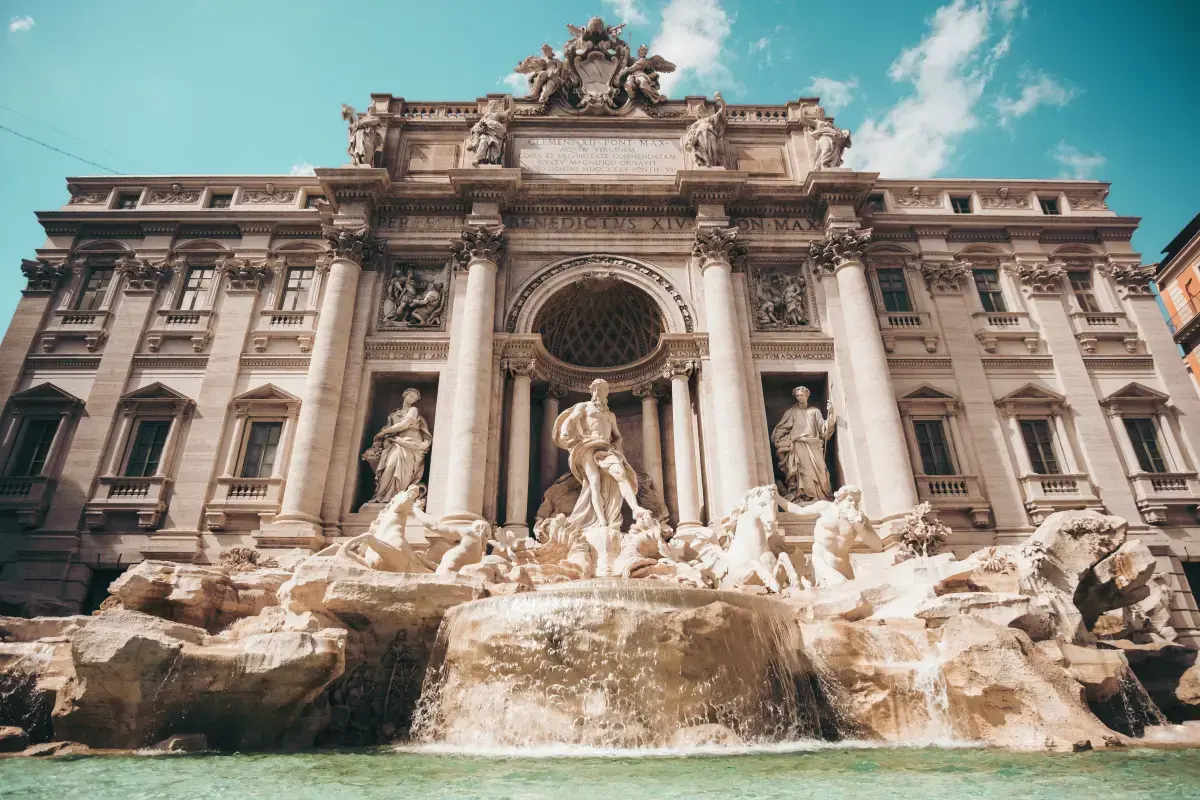
Cost of Living & Housing in Italy
The cost of living and housing in Italy varies greatly based on which city or region you are living in. Some of the main factors that determine the cost include: the city’s size, the internationality of its business climate, the demand for apartments, and the amount of competition between landlords. Rent prices in Italy are generally higher than in many other European countries. In the center of larger cities (Milan, Rome, etc) apartments often cost an average of around €1500-3000. Prices in smaller cities and towns such as Bologna or Florence can be less expensive depending on the size of the city. In addition to rent prices, Italy is famous for its high cost of living. This could include the cost of groceries, transportation, entertainment, and even taxes. Italy is considered to be one of the most expensive countries in Europe in terms of the cost of living. However, Italian cities are also known for their low unemployment rate, which helps to make living in Italy more affordable. Overall, the cost of living and housing in Italy can vary greatly depending on the region and city. It is important to research specific areas so you can budget properly for when you move.

Finding a Job in Italy from Overseas as a Foreigner?
Use our Job hunting & job seeking guide to help your job searching easier.
The Best Rated Top 20 Recruitment Agencies in Italy
When searching for a Job from Overseas, reaching out to established Recruitment Agencies can help in your Job Search in Italy
What are the Best job boards in Italy
Jobseekers searching for jobs in Italy find the below job portals in in Italy as the best job websites for finding employment in in Italy
Best Italy Job Website Name
Italy Job Board Pricing
From €350
€49 Month
FREE Job Advertising in Italy
€149 Month
Email sales for prices
Best International Removals Companies to/from Italy
When the move to Italy gets closer, finding local and international removals companies that suit your requirements are critical. Find a list of the best companies Near You.
Expat info about living in
Don't just take our word for it.
Use the Best Forums in Italy to obtain all the independent advise about moving, living & working in Italy
Immigration Advice and Visa InformationItalian
Need assistance with obtaining the correct Visas and Work Permits in Italy.
- Get expert advice to make the move to Italy as easy as possible

Find Trusted Local Home Services
When you arrive, understanding the Best Local Services to help with your odd jobs and tasks around the home is essential.
Best Areas to Live in Italy
Popular towns, cities and regions that are proving popular with migrants moving to Italy
Study and Higher Education in Italy
Search our list of all universities in Italy to help your reach your educational goals.
- Find the Best University in Italy that suits your needs
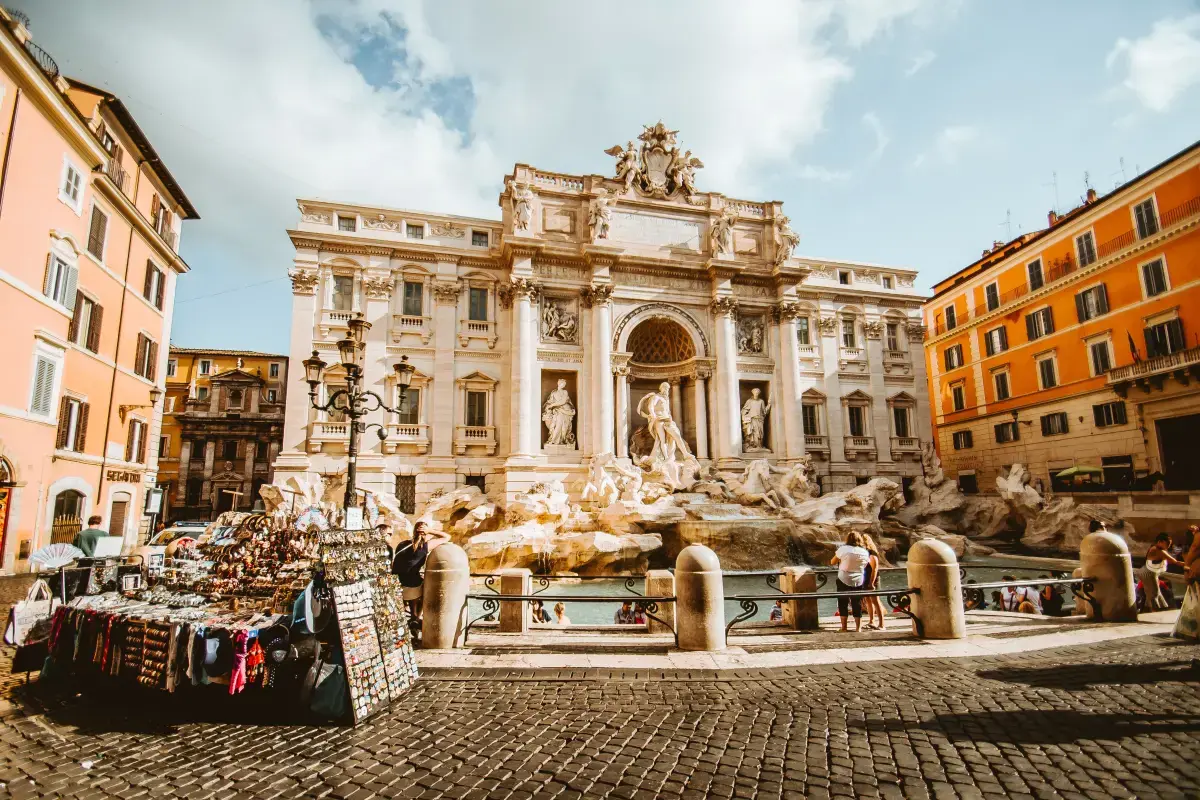
Featured Locations
Frequently Asked Questions
What are the Top paying jobs in 2022
What are the Most in-demand jobs in 2022
- Construction
- Business Analysis
- Web & App Development
- Animation
- Nursing
- Teaching
- Engineering
- Marketing
- Plumbing
- Carpentry
- Software Engineer
- Data Analyst
- Hospitality Staff
- Builders
What type of jobs are most popular for jobseekers?
- Full-time
- Part-time
- Permanent
- Freelance
- Gig Jobs
- Contract
- Weekend work
- Out of Hours
- Night shift
- Casual
- Temporary
- Remote
- Work From Home
- Work From Anywhere
- Telecommuting
- Flexible
See here for more Help & Support questions