


- Anesthesiologist
- Obstetrician and Gynecologist
- Psychiatrists
- Surgeons
- General Internal Medicine
- Physicians
- Ophthalmologists
- Orthodontist
- Product Manager
- Artificial Intelligence & Machine Learning (AI/ML) Engineer
- Full-Stack Developer
- Cloud Architect
- DevOps Engineer
- Blockchain Engineer
- Software Architect
- Big Data Engineer
- Internet of Things (IoT) Solutions Architect
- Data Scientist
- Cyber Security Architect

Moving to Germany in 2026
Step by step guide on migrating and relocating to Germany in 2026?
Use our Guide to find all the moving information you may need if you are thinking of moving or working in Germany.
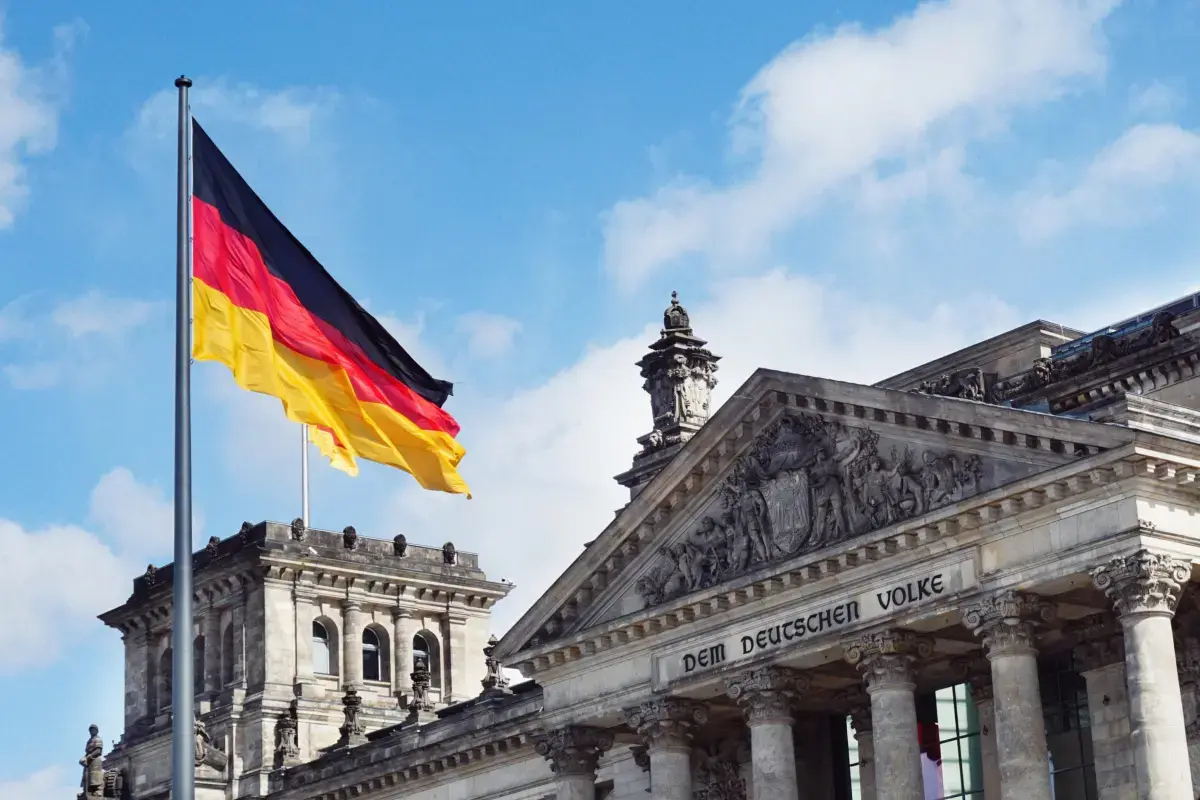
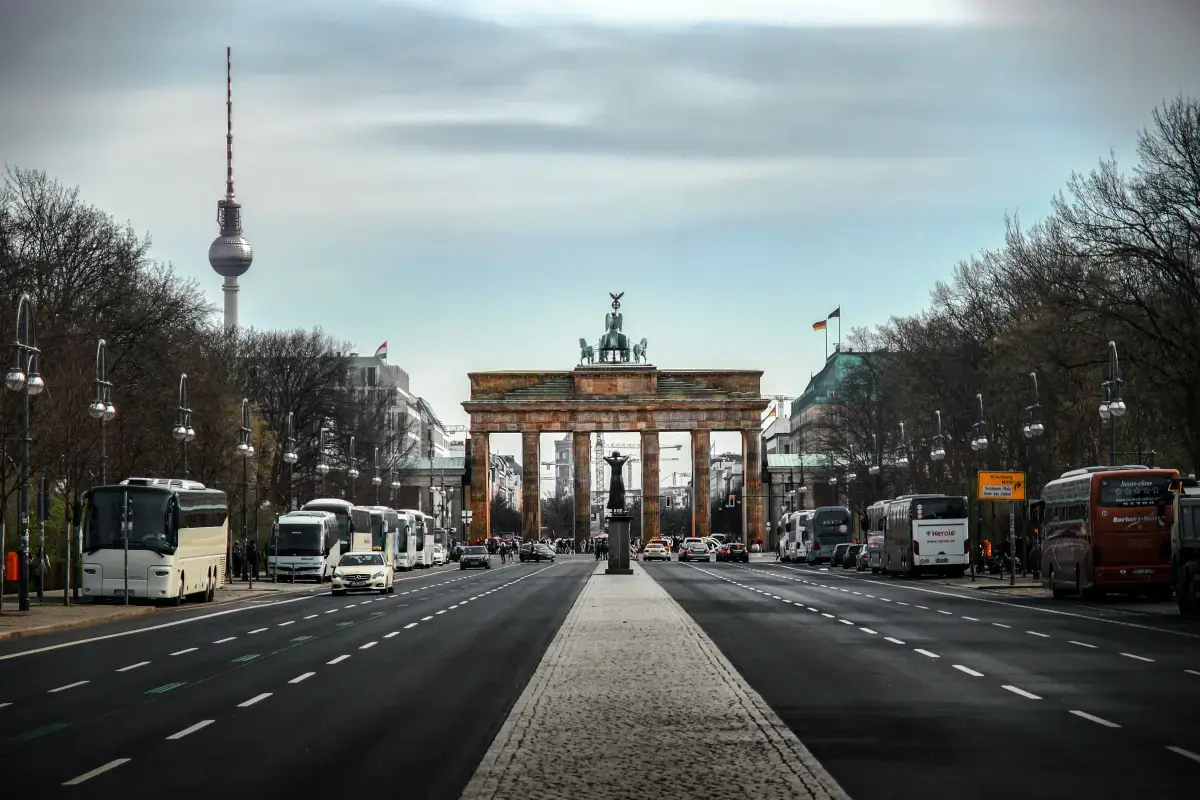
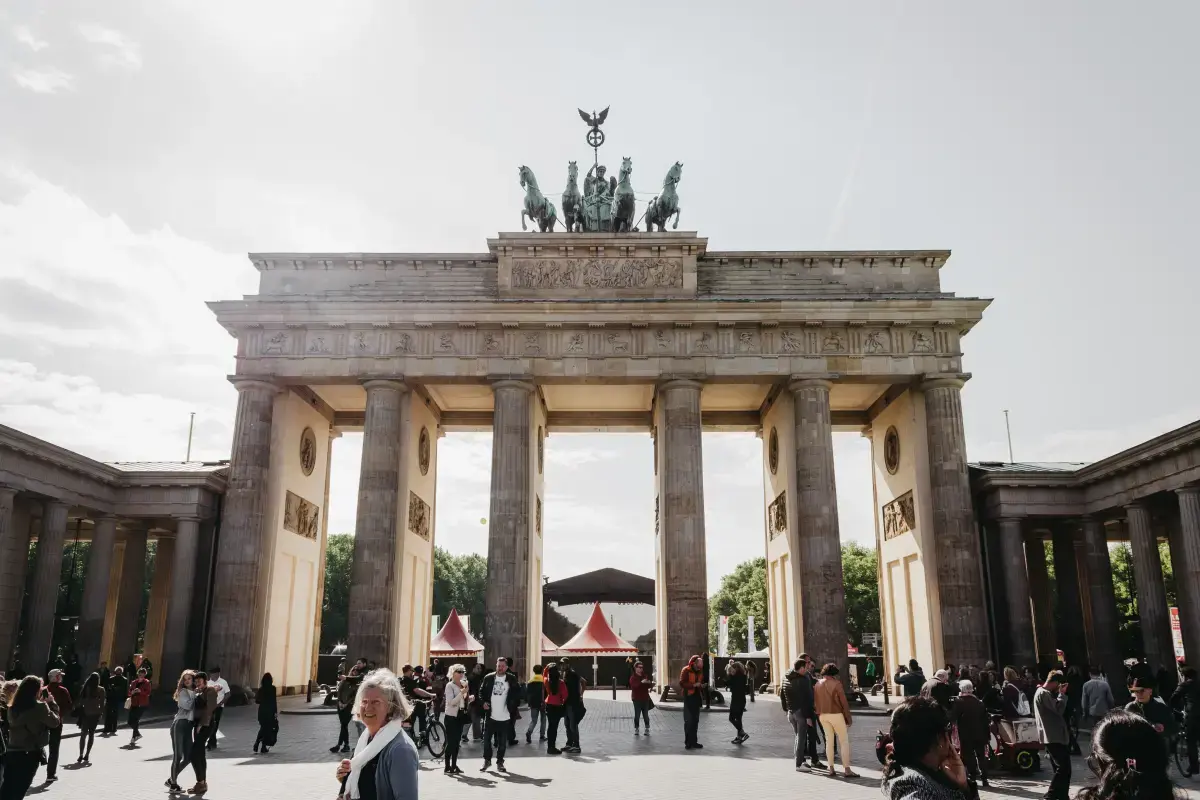
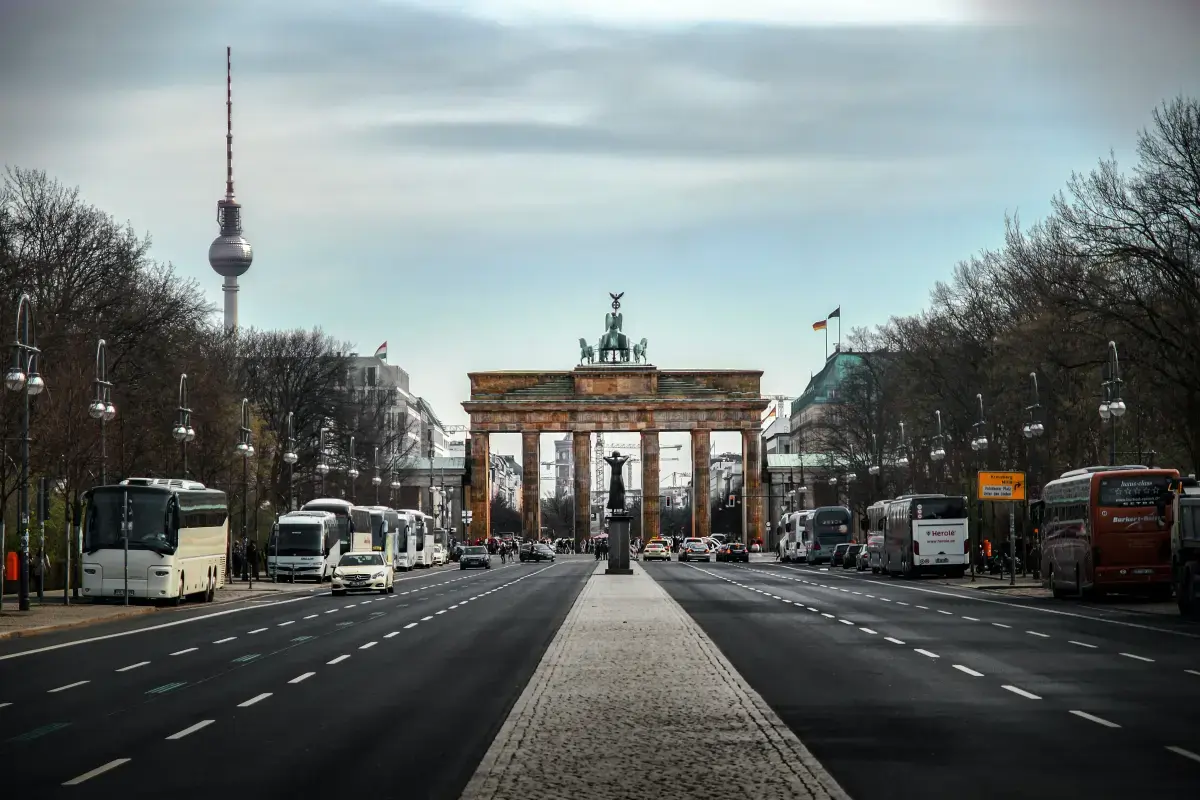
There are a variety of reasons why people move to Germany. One of the most common reasons is its strong economy, which consistently ranks as one of the top 10 best economies in the world, making it an attractive destination for those looking to advance their careers. Additionally, Germany boasts one of the lowest unemployment rates in Europe, with roughly three million job vacancies waiting to be filled. Germany also offers a high quality of life, with a clean environment, excellent healthcare and education systems, and well-developed infrastructure. People feel safe living in Germany, and the cities provide plenty of job and entertainment opportunities to explore. After Brexit, many British citizens have also been choosing to relocate to Germany in order to maintain their rights within the European Union. Germany is known for its welcoming culture towards immigrants and its liberal approach to immigration, allowing people to move with relative ease. Other people may be drawn to Germany for its unique culture, which includes its rich history, language and arts. Germany is home to some of the world’s most iconic landmarks, from the Brandenburg Gate and Berlin wall in the capital to the stunning castles of Bavaria and Schwarzwald (Black Forest). German cuisine is also renowned for its robust flavour, making it a go-to destination for food-lovers. Ultimately, Germany is an attractive destination for many, combining economic opportunity with a high quality of life, a welcoming culture and a unique cultural heritage.
Cost of Moving to Germany
1. Airfare: Moving to Germany will require purchasing a plane ticket to your new home. Prices can range from several hundred to several thousand dollars. Some companies offer discounted student and youth tickets, so research your options. 2. Accommodation: Secure accommodation prior to your arrival in Germany. you will need to budget for rental deposit, administrative fees and the first month’s rent. Rent prices can vary a lot depending on the city and the size of the apartment. 3. Living expenses: Calculate your living expenses for a minimum of one month. This should include groceries, utility bills, transportation costs and any other necessary monthly expenses. 4. Health insurance: All foreign nationals staying in Germany for longer than three months are required to take out private health insurance. Even if you come from a country which has social security agreements with Germany, you will still need to get a private health insurance policy. 5. Visa: Depending on your home country, you may need to apply for a visa in order to enter and remain in Germany. As of 2021, Canadians, Australians and New Zealanders are able to enter Germany without applying for a visa. 6. Furniture: Furnishing a home can be expensive. If you don’t have furniture to bring with you, calculate additional costs for purchasing furniture for your new home. 7. Cellphone: Setting up a German SIM card may require an ID card or bank information, as well as a minimum top-up fee. This will enable you to make calls, send text messages, access the internet and more. 8. Going out: Budget for leisure activities, such as going out for dinner, seeing a movie or, in some cases, getting a gym membership. This should factor in for the cost of living, but it is a cost you want to be aware of. 9. Language courses: Learning some German before you arrive in Germany or while you are there will help you adjust to your new life. Language courses can cost anywhere from a few hundred euros to several thousand.
Best Jobs in Germany
The most popular jobs for migrants moving to Germany are typically in engineering, software development, and health-care professions. These roles often have higher salaries than similar jobs in many other countries, and there are plenty of opportunities for skilled workers. Engineering roles in Germany, such as mechanical engineers, electrical engineers and automotive engineers, typically have a median salary of €42,447 per year. Many engineers also specialize in other sectors such as aerospace engineering, industrial engineering, and software engineering, and salaries for these roles can range between €50,000 and €70,000 per year. Software development is also a popular job amongst migrants in Germany, and salaries for these roles can range widely depending on the project and area of expertise. Mid-level developers can expect to earn a median salary of €55,000 per year, whereas experienced developers and IT architects can earn up to €80,000 per year. Lastly, health-care professions such as doctors, nurses, and pharmacists are some of the most in-demand professions for migrants relocating to Germany. Doctors can expect to have a salary of €72,000 to €90,000 per year, whereas nurses can typically earn around €48,000 per year. Additionally, pharmacists can earn a median salary of €54,271 per year. Overall, engineering, software development and health-care professions are some of the most sought-after and lucrative careers for migrants in Germany. The salaries available for these roles are usually significantly higher than what can be found in other countries, making it an attractive destination for migrants seeking a better quality of life.
Weather in Germany
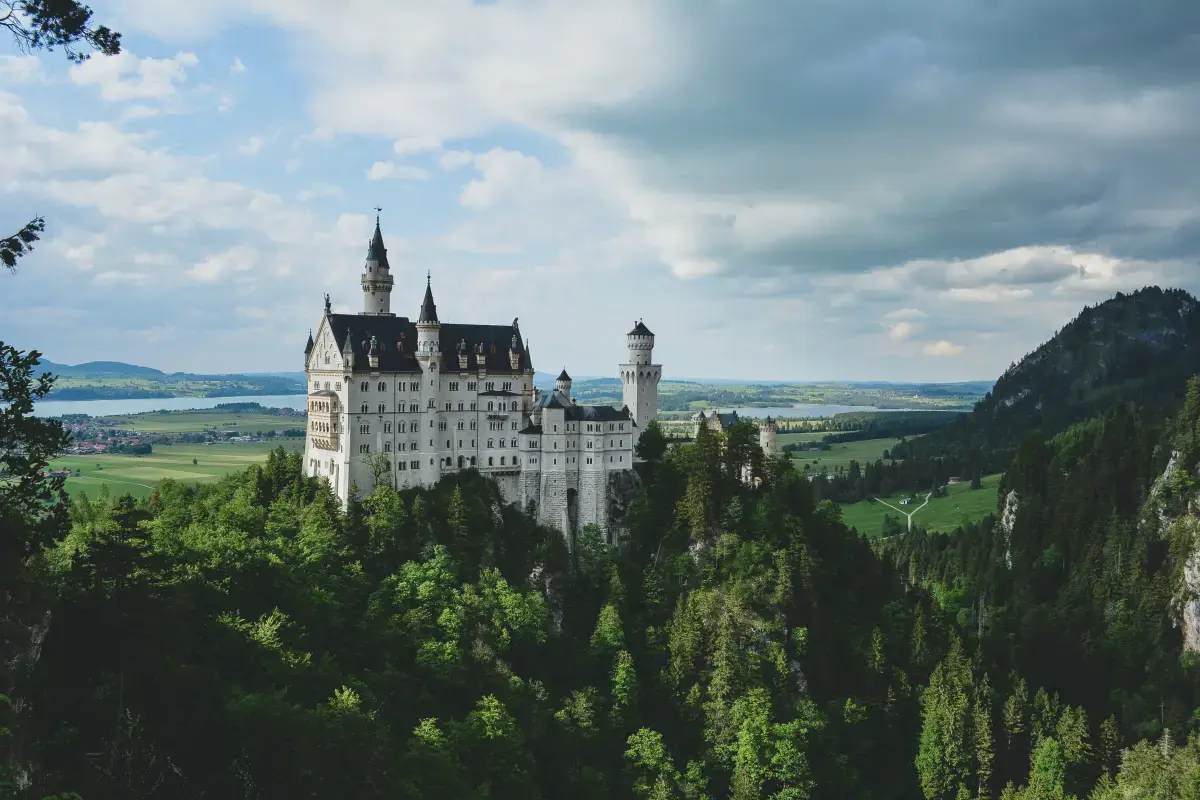
Germany, like much of Europe, has a temperate climate, meaning winters are cool and summers are warm. It lies in the middle of the continent which means it is influenced by both maritime and continental air masses. In the winter months the continental air masses can bring cold, dry air from the east which can bring snow, icy temperatures and blizzard conditions at higher altitudes. The maritime air masses can bring more mild temperatures and rainfall. The temperature and weather pattern can differ greatly within the country due to the variety of topography. Generally, temperature decreases with increasing altitude, so mountainous regions will experience colder days and lower temperatures than lower lying areas. In the spring, there’s a gradual rise in temperatures, with increased amounts of rainfall and the occasional thunderstorm. In the summer months it typically is warm and sunny, but there can be frequent periods of rainfall, especially in the north and northwest regions of the country. Average temperatures range from the high teens Celsius / 60s Fahrenheit in the north, to the mid twenties Celsius / mid 70s Fahrenheit in the south. By the fall, temperatures begin to decrease again, and the days become shorter. Rainfall increases and the frequency of thunderstorms decreases. Winter temperatures vary from cool to cold across the country, with average lows in the mid single digits Celsius / low 40s Fahrenheit. Snowfall is possible anywhere in Germany in winter, but it is more frequent and prolonged at higher elevations. In general, Germany does not experience extreme weather conditions. The months of March, April, October, and November are generally the most unsettled and could experience the most changeable weather.
Tax & Welfare System in Germany
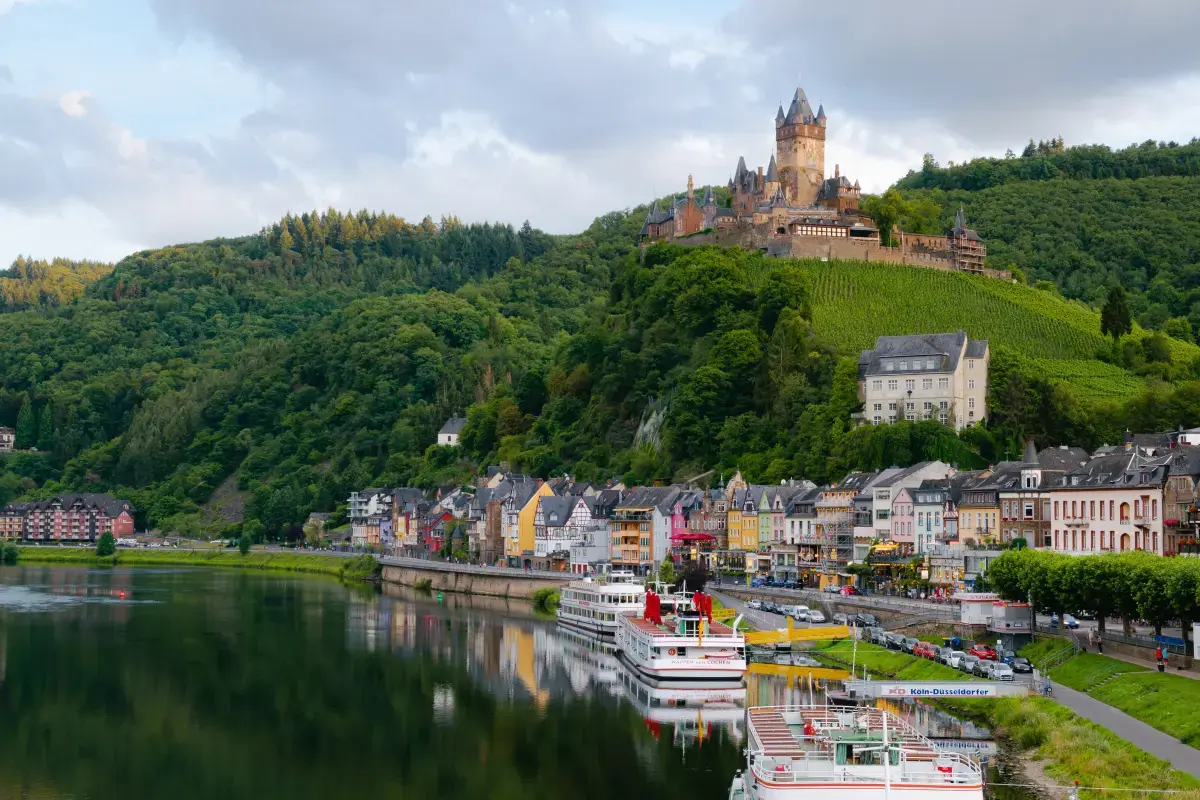
The German tax system is based on the German Tax Code (Abgabenordnung or AO) and is comprised of the Federal government, state governments, and local governments. Taxes are collected by the Federal Central Tax Office (Bundeszentralamt für Steuern or BZSt). The biggest source of revenue for the government is from taxes – including income taxes, corporate taxes, and VAT (Value Added Tax) – together amounting to about two-thirds of total governmental receipts. Corporations in Germany are subject to both a corporate income tax and a municipal trade tax, which is imposed at the local level. The German social welfare system is divided into two main categories: the legal (gesetzlichshiene) and the contractual ( privateriene). The legally-directed social welfare system is comprised of the pension insurance, unemployment insurance, health insurance, nursing care insurance, and accident insurance. This system is primarily financed through social security contributions or pay as you go taxes which are taken out of an individual’s wages. This money is then combined and goes towards covering the costs of social benefits such as unemployment benefits, pensions and health care. The second category is the private (i.e. contractual) social welfare system. This is made up of several types of private insurance, such as life, disability, and private health insurance. This system is usually funded through premiums paid directly by the insured, though there are some different financing policies depending on the type of insurance and provider. Overall, the German system of social welfare is comprehensive and highly developed. It is designed to provide citizens with security in a number of areas and to ensure that, even in times of need, people are able to access the help and support they need.
Holidays in Germany
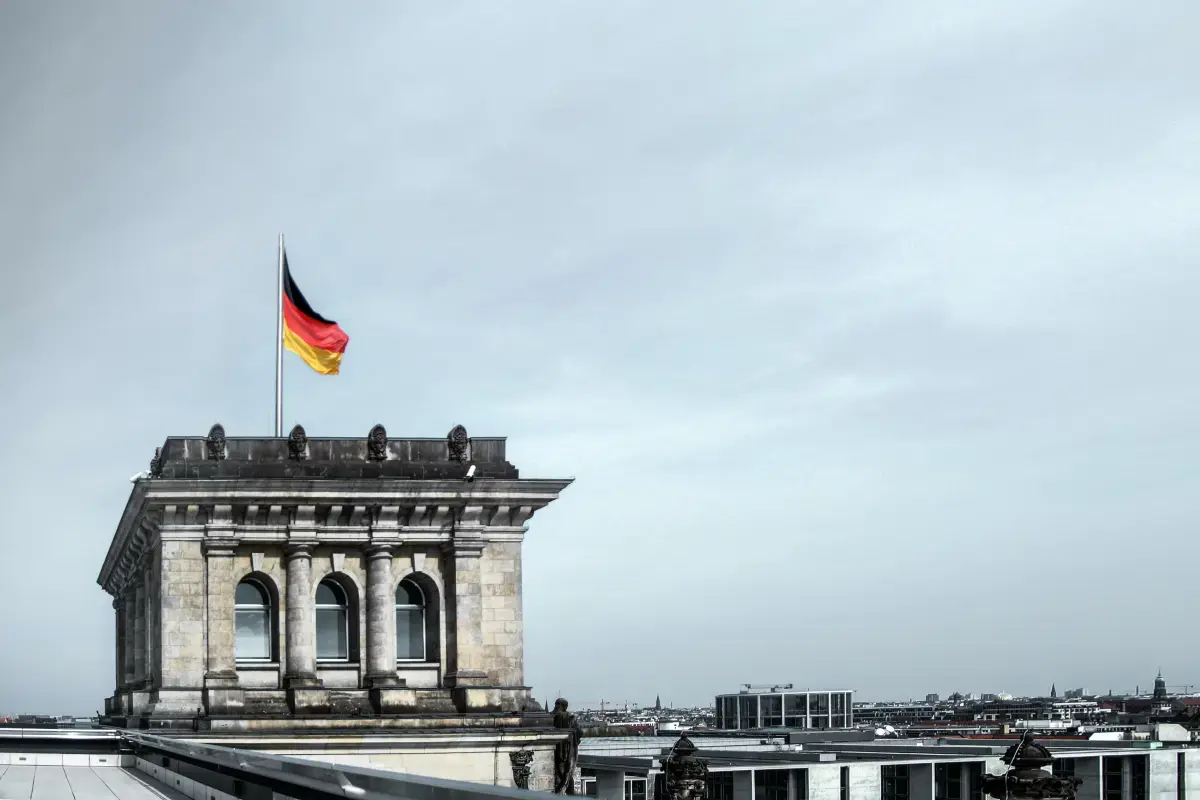
The national holidays in Germany are mostly religious in origin and occur throughout the year. 1. New Year’s Day: January 1st marks the start of the New Year, with many people seeing the day as a chance to start fresh and set resolutions. This is a legal holiday across Germany, though some businesses may be open. 2. Epiphany: Falling on January 6th, Epiphany celebrates the visit of the three wise men to the baby Jesus, often with bonfires and processions. It is typically a quiet day in Germany, though some people will attend church services, as this is a Christian holiday. 3. Easter Sunday & Easter Monday: Easter Sunday marks the resurrection of Jesus Christ and is followed by Easter Monday. Germans celebrate the festival with church services, colorful eggs, and feasts. Easter Sunday and Monday are both legal holidays in Germany. 4. Ascension Day: Forty days after Easter, Ascension Day marks the moment when the Bible states Jesus ascended to Heaven. This day is a legal holiday in many German states, though businesses may be open. 2. Pentecost: Pentecost celebrates the descent of the Holy Spirit. It falls on the 50th day after Easter and is a legal holiday across Germany. 4. Labor Day: Labor Day, or May Day, marks the struggles of the labor movement and honors those who worked to achieve better working conditions and wages. This is a legal holiday across Germany, with the day usually celebrated with parades. 5. Whit Monday: Whit Monday, or the Day of Pentecost, is the 50th day after Easter Sunday and celebrates the revelation of the disciples’ faith after the ascension of Jesus. This is a legal holiday in many German states, with many churches holding services or festivals. 6. Assumption Day: Assumption Day is celebrated on August 15th and commemorates the idea that the body of the Virgin Mary (the mother of Jesus), was assumed into heaven after her death. This is a legal holiday in some German states, though most businesses remain open. 7. German Unity Day: This day honors the unification of East and West Germany on October 3rd, 1990, and is a legal holiday across Germany. 8. Reformation Day: Reformation Day celebrates Martin Luthers defiant act of nailing his 95 theses to the door of Wittenberg Castle on October 31st, 1517. This is a legal holiday in many German states, though businesses may be open. 9. All Saints’ Day: All Saints’ Day is celebrated by Christians on November 1st to remember those who have died, and those who have gone before them in the faith. This is a legal holiday in many German states, though businesses may be open. 10. Christmas Eve & Christmas Day: Christmas Eve falls on December 24th and marks the start of a three day celebration of Christmas. Christmas Day, December 25th, marks the birth of Jesus and celebrates the days of peace and goodwill that come with it. Both days are legal holidays in Germany. 11. New Year’s Eve: The last day of the year, December 31st, marks New Year’s Eve. Celebrated all over the world, some people attend parties and others may watch fireworks and celebrate the start of a new year. This is not a legal holiday, though some businesses may be closed.
Where to Live in Germany
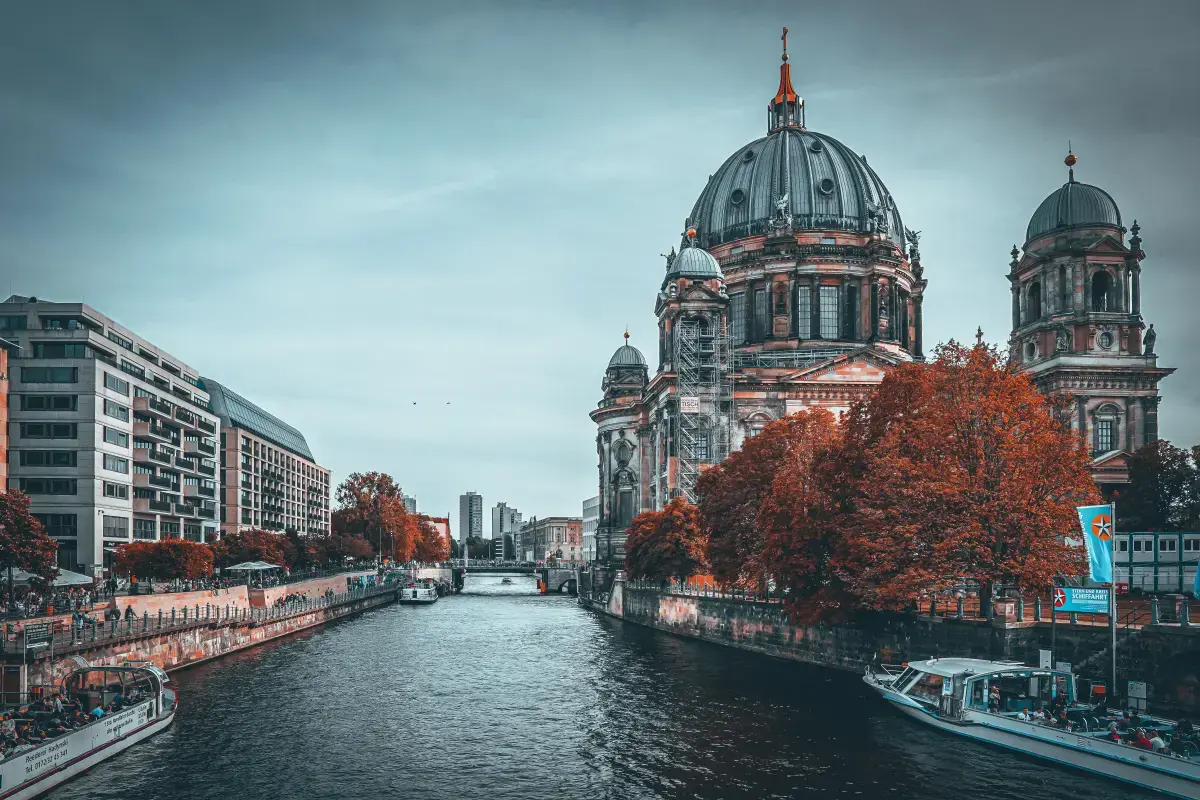
The most densely populated areas of Germany are the metropolitan regions of Berlin, Hamburg, Munich, and Cologne. These regions have the highest population densities in the country, ranging from 857 people per square kilometer in Berlin to 710 in Hamburg. Here, the majority of jobs are found in the education and technology sectors, finance and banking, and business services. Berlin is the capital city of Germany and is home to a labor market that encompasses a wide range of industries including consultancy, tourism, finance and banking, creative services, technology and engineering, IT, business services, and media. Hamburg is a popular port city and the second-largest city in Germany after Berlin. Employers here are mainly found in business services, finance and banking, and technology, as well as in manufacturing and the automotive sector. Meanwhile, Munich is known as one of the biggest tech hubs in Europe, and its tech sector is growing rapidly. Its home to many global firms such as BMW, Siemens, Oracle, and Microsoft. It also has a flourishing startup scene. Other important industries here include engineering, finance and banking, business services, and tourism. Cologne is the fourth-largest city in Germany and has a strong industrial base, including manufacturing, engineering, renewable energy, and logistics. IT, finance and banking, and business services are also key industries in the city. Overall, the major sources of employment in Germany’s densely populated metropolitan regions are in business services, finance and banking, technology, manufacturing, engineering, and IT.

Sports & Recreation in Germany
Germany is known for its diverse and popular sports and recreational activities that make it a great choice for visitors looking for an outdoor adventure. Below are some of the most popular activities in Germany: Football: Germany is known for its strong football culture and its clubs are represented in the top divisions of each European league. The German national team is usually among the favorites for the World Cup, and the Bundesliga is considered one of the best leagues in the world. Hiking: Germanys varied landscape makes it perfect for enjoying a hike in the countryside. From the Black Forest in the South to the mountains of the Alps in the South, Germany is full of breathtaking vistas. Hiking is a great way to experience all that Germany has to offer while getting some fresh air and exercise. Golf: Germany is home to numerous world-class golf courses, including some of the top spots in Europe. With championship-level greens and fairways, golfing in Germany is sure to please even the most experienced golfers. Tennis: Germany is an ideal destination for anyone who loves to play or watch tennis. Many of Germanys top athletes have competed in major international tournaments and the country is home to some of the most prestigious professional events. For those looking for something different, Germany offers plenty of sports and recreational activities to choose from, including sailing, surfing, biking, ice skating, and more. So take a trip to Germany and explore all the amazing activities it has to offer.
Cost of Living & Housing in Germany
The cost of living and housing in Germany depends on the specific city, town or region you are looking to live in. Generally, the cost of living in Germany is relatively reasonable compared to many other European countries. In general, costs of living in Germany’s major cities such as Berlin, Frankfurt, Munich, and Hamburg are slightly higher than in smaller cities or suburban areas. Prices of apartments, rent, and housing vary greatly depending on the area and sale or rent form. Cost of living expenses such as food, transportation, utilities, and entertainment will also vary based on location and personal lifestyle. Cost of Housing: The cost of housing, rent, and property depends on whether you’re looking for a flat or a single-family house, as well as the size, age, and location of the property. Berlin and Munich tend to be the most expensive cities for housing in Germany; prices for rental properties in these areas can be significantly higher than other cities in Germany. Other areas tend to be more affordable, especially in smaller cities and rural areas. In most areas, it’s not difficult to find a place for rent for about €500-€700 per month; with prices for rental apartments going up and down based on amenities, location and size. Cost of Living: The cost of living throughout Germany is quite reasonable; however, there are huge discrepancies depending on which region you are living in. Basic living expenses such as food, transportation, utilities, and entertainment will also vary based on location and personal lifestyle. Prices tend to be higher in city centers and touristy areas, while suburban areas tend to be more affordable. In general, basic grocery and household items are quite cheap when compared to most other countries. Housing and rent in larger cities tend to be more expensive, while public transportation is often subsidized and cheap in many areas. Overall, the cost of living and housing in Germany is generally reasonable, however, it’s important to research into the specific area you are considering to see what the average expenses are.
Finding a Job in Germany from Overseas as a Foreigner?
Use our Job hunting & job seeking guide to help your job searching easier.
The Best Rated Top 20 Recruitment Agencies in Germany
When searching for a Job from Overseas, reaching out to established Recruitment Agencies can help in your Job Search in Germany
What are the Best job boards in Germany
Jobseekers searching for jobs in Germany find the below job portals in in Germany as the best job websites for finding employment in in Germany
Best Germany Job Website Name
Germany Job Board Pricing
Email sales for prices
€1,299
FREE Job Advertising in Germany
€ 99 - 1000
€259
Best International Removals Companies to/from Germany
When the move to Germany gets closer, finding local and international removals companies that suit your requirements are critical. Find a list of the best companies Near You.
Expat info about living in
Don't just take our word for it.
Use the Best Forums in Germany to obtain all the independent advise about moving, living & working in Germany
Immigration Advice and Visa InformationGerman
Need assistance with obtaining the correct Visas and Work Permits in Germany.
- Get expert advice to make the move to Germany as easy as possible

Find Trusted Local Home Services
When you arrive, understanding the Best Local Services to help with your odd jobs and tasks around the home is essential.

Best Areas to Live in Germany
Popular towns, cities and regions that are proving popular with migrants moving to Germany
Study and Higher Education in Germany
Search our list of all universities in Germany to help your reach your educational goals.
- Find the Best University in Germany that suits your needs
Featured Locations
Frequently Asked Questions
What are the Top paying jobs in 2022
What are the Most in-demand jobs in 2022
- Construction
- Business Analysis
- Web & App Development
- Animation
- Nursing
- Teaching
- Engineering
- Marketing
- Plumbing
- Carpentry
- Software Engineer
- Data Analyst
- Hospitality Staff
- Builders
What type of jobs are most popular for jobseekers?
- Full-time
- Part-time
- Permanent
- Freelance
- Gig Jobs
- Contract
- Weekend work
- Out of Hours
- Night shift
- Casual
- Temporary
- Remote
- Work From Home
- Work From Anywhere
- Telecommuting
- Flexible
See here for more Help & Support questions